






What's Happening?
Mayor Zohran Mamdani has announced a significant expansion of New York City's coastal resilience workforce, increasing the number of staff from six to approximately 75. This expansion is part of a $43.2 million investment aimed at preparing the city to manage
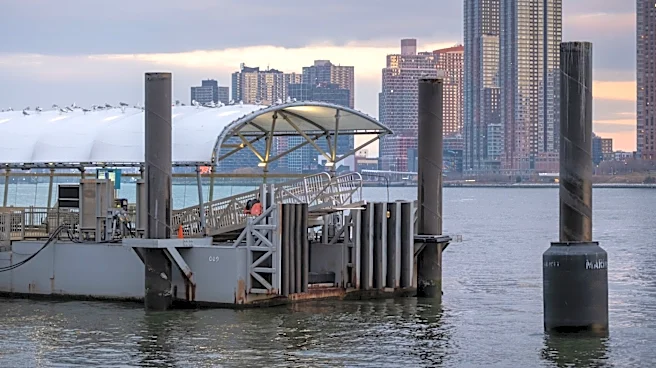
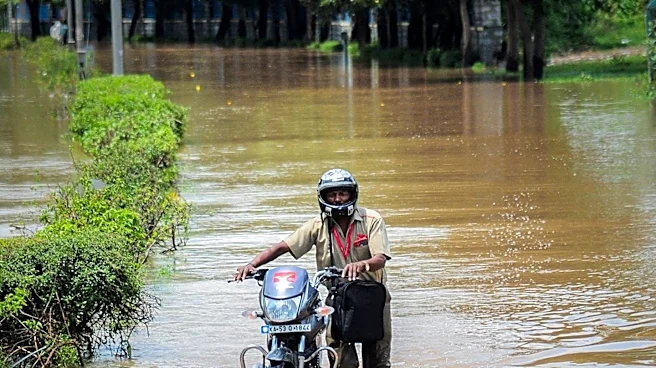
and maintain new flood-protection infrastructure. The Department of Environmental Protection (DEP) will hire 69 new employees, including engineers, planners, and maintenance workers, to support the Bureau of Coastal Resilience. This move comes as several flood-protection systems are set to become operational over the next four years, necessitating a robust workforce to manage these systems. The expansion is part of a broader strategy to protect New York City from the impacts of climate change, including rising sea levels and extreme weather events. The initiative has received praise from local leaders, including Rep. Grace Meng, who highlighted the need for action following recent flooding in Queens.
Why It's Important?
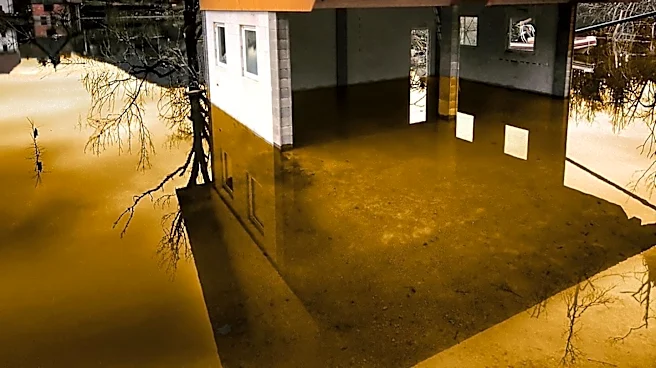
The expansion of the coastal resilience workforce is crucial for New York City as it faces increasing threats from climate change, particularly flooding and extreme weather. With nearly 440,000 residents and 14,500 businesses located within the city's 100-year floodplain, the potential impact of inadequate flood protection is significant. The investment in workforce expansion and infrastructure is expected to enhance the city's ability to safeguard its shoreline and protect its communities and businesses. This initiative also represents a collaborative effort between different levels of government, emphasizing the importance of partnership in addressing climate-related challenges. The success of this program could serve as a model for other cities facing similar threats.
What's Next?
As the new workforce is integrated, the city will focus on operating and maintaining the newly constructed flood-protection systems. The Bureau of Coastal Resilience will continue to coordinate efforts across various city agencies to ensure comprehensive protection against flooding. Additionally, the city plans to conduct studies on long-term exposure to coastal flooding and develop a roadmap for managing its 520 miles of shoreline. The completion of ongoing projects, such as the East Side Coastal Resiliency project and the Battery Coastal Resilience project, will be critical milestones in the city's strategy to mitigate the impacts of climate change.