




What's Happening?
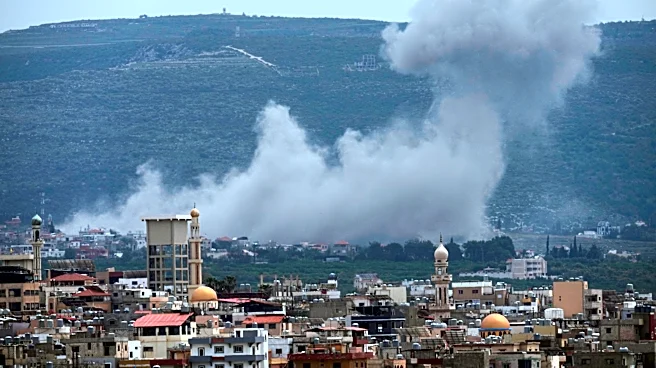
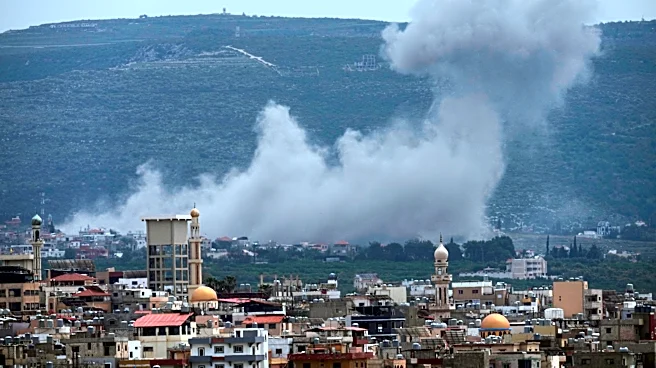
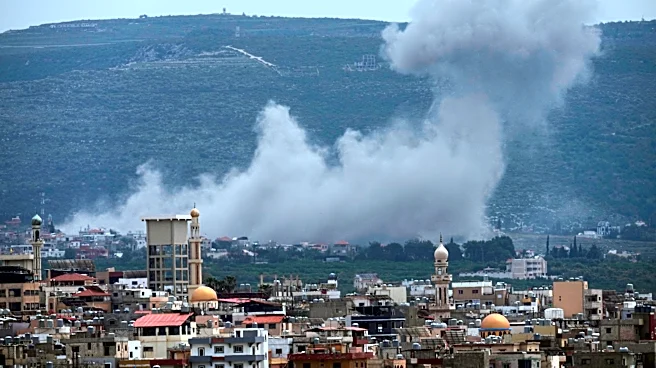
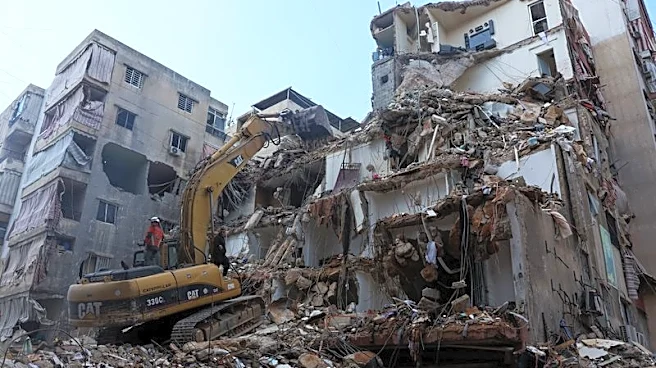
Residents of northern Israel have expressed strong opposition to a temporary ceasefire with Lebanon, announced by U.S. President Donald Trump. The ceasefire, intended to advance peace talks, has been criticized by local officials and residents who feel
it leaves them vulnerable to future attacks. Prime Minister Benjamin Netanyahu agreed to the ceasefire, but residents argue it lacks necessary enforcement measures against Hezbollah. Local leaders have voiced concerns that the ceasefire is a temporary solution that fails to address the root causes of the conflict, leaving northern communities at risk.
Why It's Important?
The reaction from northern Israelis highlights the challenges of achieving a sustainable peace in the region. The ceasefire, while a diplomatic effort, is seen by many as insufficient without concrete measures to disarm Hezbollah and ensure security for Israeli communities. The criticism reflects broader concerns about the effectiveness of international agreements and the Israeli government's ability to protect its citizens. The situation underscores the complexities of Middle Eastern geopolitics, where local realities often clash with international diplomatic efforts. The outcome of these tensions could influence future peace negotiations and regional stability.