






What's Happening?
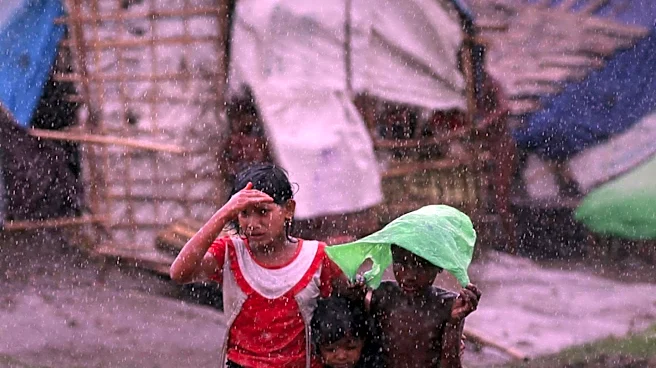
The UN Refugee Agency (UNHCR) has issued a stark warning that severe flooding, exacerbated by a strong El Niño weather pattern, could displace up to three million people across Somalia, Kenya, South Sudan, and Uganda by the end of 2026. This projection
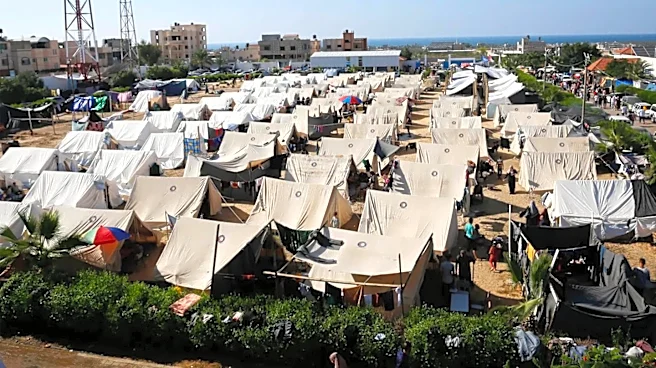
is part of a broader report highlighting that nearly 90 million forcibly displaced individuals globally, roughly three out of four, reside in countries highly susceptible to climate-related hazards such as droughts, floods, and extreme heat. The report, titled 'No Escape III: Displaced Voices from the Frontlines of the Climate Crisis,' emphasizes that many displaced populations face additional threats in host countries with limited resources for climate change adaptation. The UNHCR notes a concerning trend where over two-thirds of refugees returning home in the first half of 2026 went back to climate-vulnerable nations, raising questions about the sustainability of their returns. Extreme heat is also a critical challenge, particularly in sub-Saharan Africa, where one in three refugee settlements could experience at least 100 days of dangerous heat annually by 2050.
Why It's Important?
This impending displacement crisis underscores the severe humanitarian consequences of climate change, particularly for already vulnerable populations. The potential displacement of three million people in East Africa would strain regional resources, exacerbate existing humanitarian crises, and likely lead to increased instability. The UNHCR's report highlights a critical funding gap, as fragile and conflict-affected nations, which host large displaced populations at high risk, receive only about 10% of global climate finance. This disparity means that communities most affected by climate change lack the necessary resources for adaptation and resilience-building. The situation also poses significant challenges for international aid organizations, requiring substantial increases in humanitarian assistance and long-term development strategies to support affected populations and prevent further displacement. The report calls for greater inclusion of refugees in national climate plans and a shift from short-term aid to sustainable, locally led solutions.
What's Next?
The UNHCR plans to advocate at the upcoming 31st UN Climate Change Conference (COP31) in Antalya, Türkiye, for increased investment in climate adaptation and the inclusion of refugees in national climate plans and financing mechanisms. The agency will push for a shift from short-term humanitarian aid to sustainable, locally led solutions, citing examples like solar-powered water systems and climate-resilient agriculture in regions such as the Sahel, Uganda, and Colombia. Governments and climate finance institutions will be urged to direct more funding to fragile and conflict-affected countries. The international community will need to prepare for a potential surge in humanitarian needs in East Africa, including providing emergency shelter, food, water, and medical aid for millions of displaced individuals. Long-term strategies will also be crucial to help communities adapt to recurring climate shocks and build resilience against future disasters.
Beyond the Headlines
The crisis in East Africa highlights the interconnectedness of climate change, conflict, and displacement, revealing a 'double injustice' where those least responsible for climate change suffer its most severe impacts. The report implicitly critiques the global climate finance architecture, which disproportionately neglects the most vulnerable nations. This situation could lead to increased internal and cross-border migration, potentially fueling social tensions and resource conflicts in already fragile regions. The long-term implications include a potential reversal of development gains, increased food insecurity, and heightened public health crises. Addressing this requires not only financial investment but also a fundamental rethinking of international cooperation, emphasizing equitable resource distribution, proactive disaster preparedness, and the empowerment of local communities in climate adaptation efforts. The ethical dimension of global responsibility for climate-induced displacement will likely become a more prominent issue in international policy discussions.