








What's Happening?
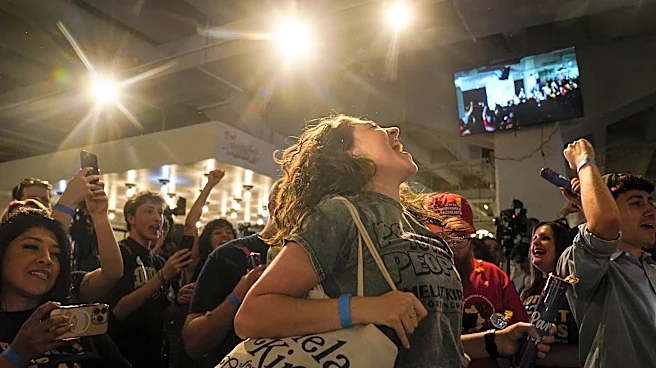
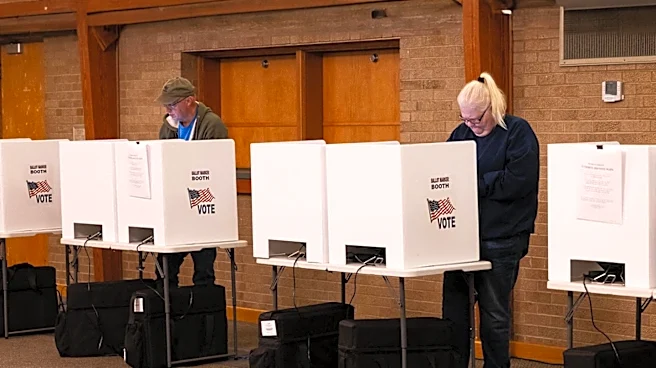
Manny Rutinel secured a decisive victory in the Democratic primary for Colorado's 8th Congressional District, a Latino-plurality seat, with significant financial backing from tech industry figures. The primary, held on June 30, saw Rutinel defeat Shannon
Bird by 26 points. The race was notable for the substantial financial contributions from tech companies and figures, including $5.5 million in television ads from tech-linked groups and $265,000 in direct campaign contributions from employees of companies like Anthropic, Google, Meta, and OpenAI. Additionally, a super PAC funded by Ripple co-founder Chris Larsen contributed nearly $977,000. This financial support was largely from the regulation-minded wing of the tech industry, which values Rutinel's role in crafting AI regulations, such as Colorado's 2024 Consumer Protections for Artificial Intelligence law.
Why It's Important?
The involvement of tech industry donors in the primary highlights the growing influence of AI regulation in political races. Rutinel's victory, supported by tech donors favoring regulation, underscores a shift in tech politics towards supporting candidates who can craft durable and balanced AI regulations. This development is significant as it reflects the tech industry's strategic interest in shaping AI policy through political channels. The outcome of this primary could influence future AI regulatory frameworks at both state and national levels, as Colorado's AI law has been a pioneering effort in the U.S. The race also illustrates the complex dynamics between tech industry interests and political candidates, with implications for how AI regulations are developed and implemented.
What's Next?
Rutinel will face Republican Representative Gabe Evans in the November general election, a contest expected to be highly competitive given the district's status as a top toss-up race. The outcome could have broader implications for AI regulation, as Rutinel's potential election to Congress may influence federal AI policy. The tech industry's involvement in this primary suggests that similar strategies may be employed in other races, potentially shaping the legislative landscape for AI regulation across the country. Observers will be watching to see if this trend continues and how it impacts the development of AI policies at both state and federal levels.