






What's Happening?
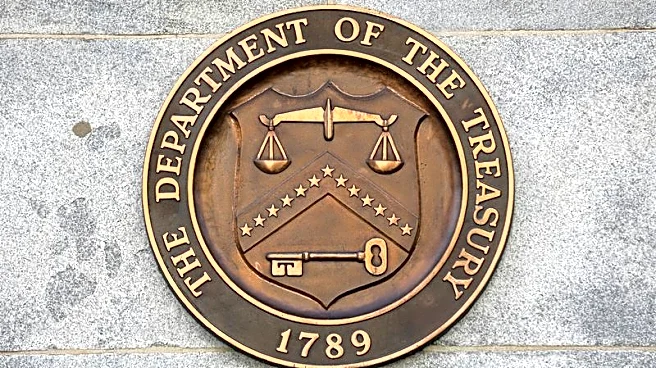
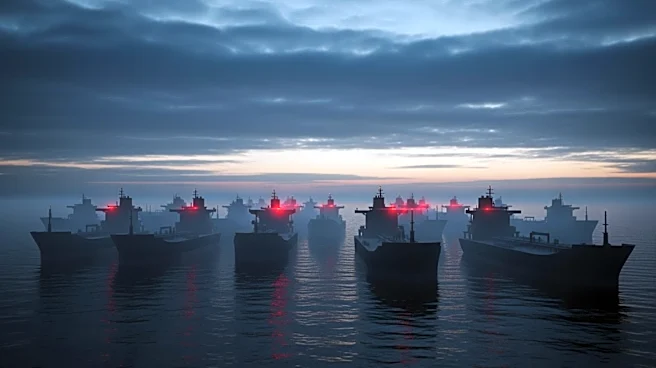
The U.S. Treasury Department has imposed sanctions on 19 vessels and a network of entities involved in Iranian oil, LPG, and petrochemical exports. This move is part of a broader effort to restrict Iran's energy revenues amid ongoing Middle East conflicts.
The sanctions target Iran's 'shadow banking system' and 'shadow fleet,' which facilitate the movement of billions of dollars in oil and petrochemical sales outside traditional financial channels. The action is part of the 'Economic Fury' campaign aimed at disrupting Iran's revenue generation through global energy markets. The targeted vessels, operating under various international flags, have been transporting Iranian-origin cargoes, generating significant revenue for Tehran.
Why It's Important?
These sanctions represent a significant escalation in the U.S. campaign to limit Iran's economic capabilities, particularly in the energy sector. By targeting the vessels and financial networks involved in Iranian oil exports, the U.S. aims to cut off a major source of revenue for Iran, which could impact its ability to fund activities deemed hostile by the U.S. government. This action also sends a warning to international companies and financial institutions about the risks of engaging in Iranian oil trade, potentially leading to broader economic implications and shifts in global oil markets.
What's Next?
The sanctions are likely to increase tensions in the Middle East, particularly around the Strait of Hormuz, a critical chokepoint for global oil shipments. The U.S. may continue to expand its sanctions regime, targeting additional entities and individuals involved in Iran's energy sector. This could lead to further disruptions in global oil supply chains and impact international relations, especially with countries that continue to engage in trade with Iran. The situation may also prompt responses from Iran and its allies, potentially escalating regional conflicts.