







What's Happening?
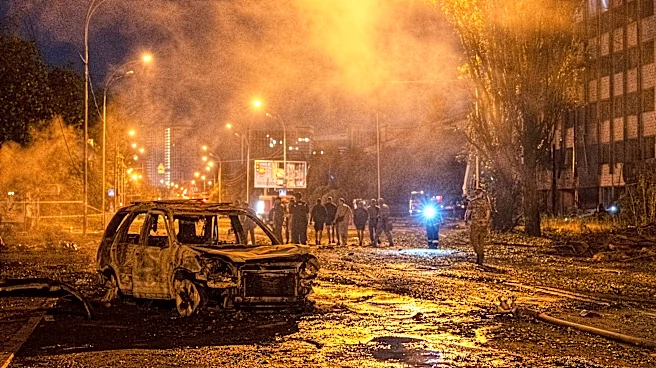
Russian oil refining has plummeted to its lowest level in over two decades due to intensified Ukrainian drone attacks on refineries and other energy infrastructure. In July, Russian refineries processed an estimated 3.6 million barrels of crude per day,
a significant drop from the usual 5.3 to 5.6 million barrels. The attacks have targeted 18 refineries, including the Omsk refinery, Russia's largest. This decline underscores the impact of Ukraine's long-range drone campaign on Russia's oil industry, a critical source of export revenue. The attacks have also affected tankers and port infrastructure, further disrupting Russia's oil exports.
Why It's Important?
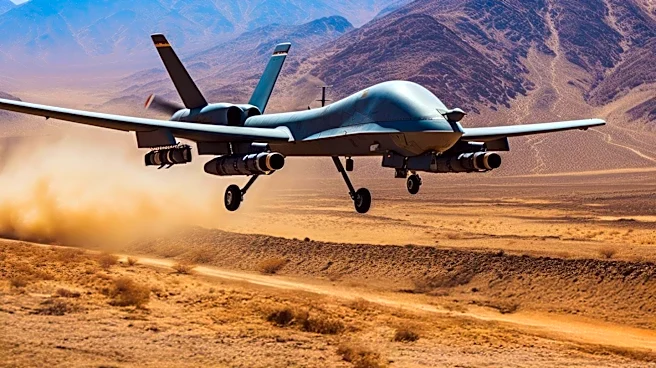
The reduction in oil refining capacity is a major economic blow to Russia, which relies heavily on energy exports for revenue. The disruption of oil supplies could lead to increased global oil prices, affecting international markets. For Ukraine, these strikes represent a strategic effort to weaken Russia's economic stability and military capabilities. The attacks also highlight the effectiveness of drone warfare in targeting critical infrastructure, potentially setting a precedent for future conflicts. The situation may prompt Russia to invest in enhanced air defenses and alternative export routes, impacting its economic and military strategies.
What's Next?
Russia is likely to respond by strengthening its air defenses and seeking alternative routes for oil exports, such as redirecting supplies to Baltic Sea terminals. However, limited pipeline and storage capacity may constrain these efforts. The ongoing conflict could lead to further international sanctions and diplomatic efforts to resolve the situation. Additionally, the effectiveness of Ukraine's drone campaign may encourage other nations to develop similar capabilities, potentially leading to a shift in global military strategies.