






What's Happening?
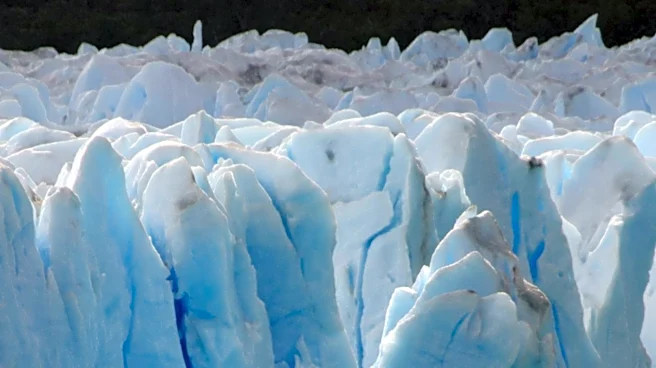
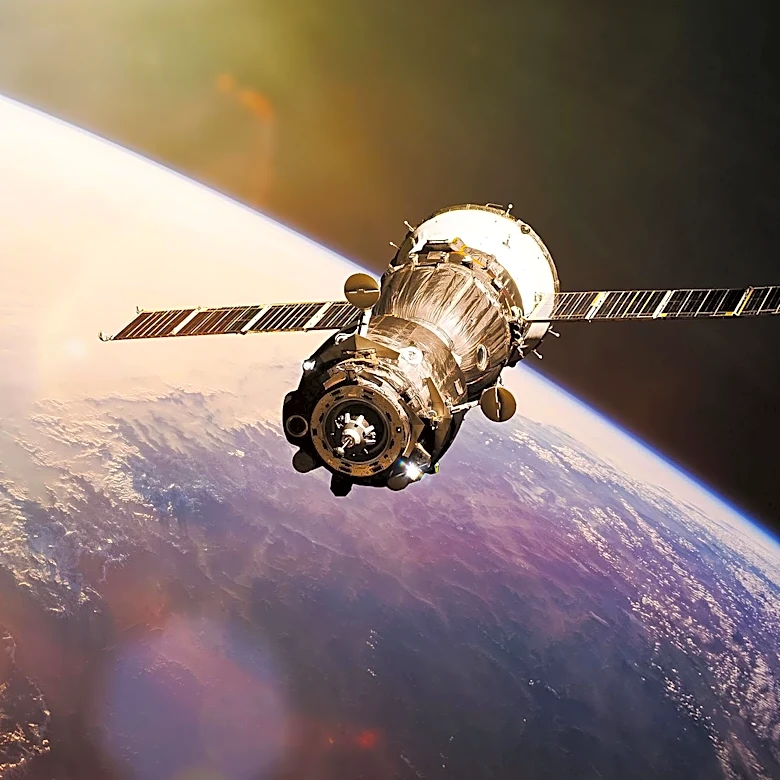
The Thwaites Glacier in Antarctica, known as the 'Doomsday Glacier,' is showing signs of accelerated disintegration due to climate change. Satellite observations reveal a network of deepening cracks in its eastern ice shelf, which could lead to its collapse.
This glacier holds enough ice to raise global sea levels by 65 centimeters if it melts completely. The potential collapse could trigger a chain reaction, affecting other glaciers in the West Antarctic Ice Sheet and further increasing sea levels. The situation poses significant risks to coastal regions worldwide, including the Mediterranean, where sea levels are rising faster than the global average.
Why It's Important?
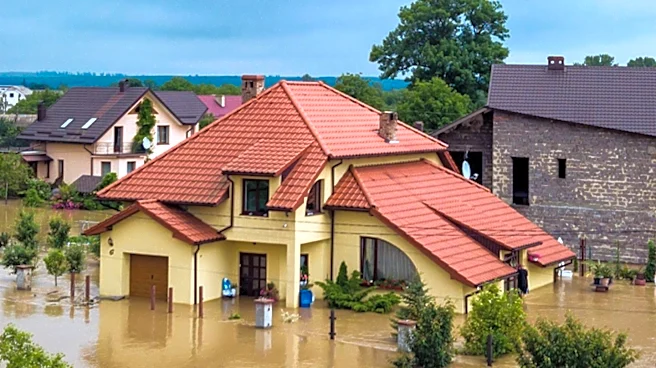
The potential collapse of the Thwaites Glacier represents a critical tipping point in climate change, with far-reaching implications for global sea levels and coastal communities. The increase in sea levels could lead to flooding, erosion, and infrastructure damage in low-lying areas. The situation underscores the urgent need for global climate action to mitigate the impacts of rising sea levels and extreme weather events. The Thwaites Glacier's condition serves as a stark reminder of the interconnectedness of global ecosystems and the importance of addressing climate change on a global scale.
What's Next?
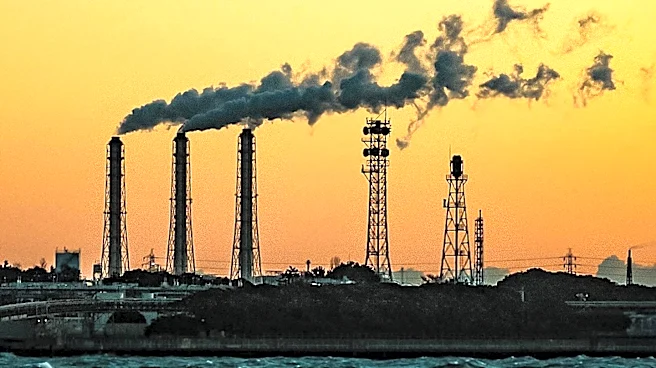
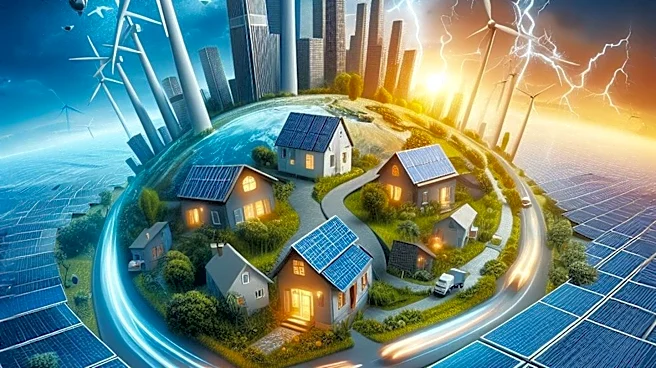
Experts emphasize the need for immediate action to slow the pace of climate change and prepare for its impacts. This includes reducing energy consumption, promoting sustainable practices, and implementing systemic measures such as climate-conscious construction and renewable energy adoption. Governments, organizations, and individuals must collaborate to address the challenges posed by climate change and work towards sustainable solutions. Monitoring and research efforts will continue to track the glacier's condition and inform policy decisions aimed at mitigating its potential impacts.