





What's Happening?
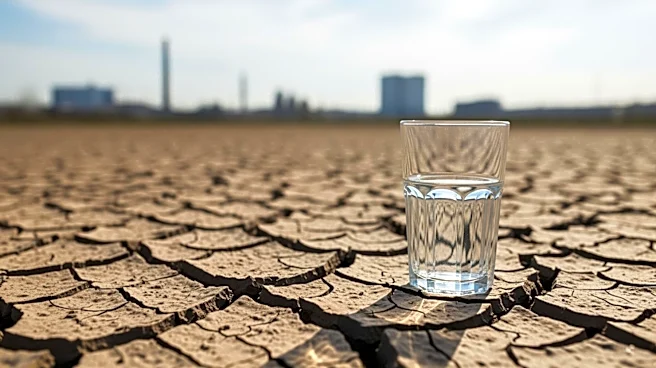
Corpus Christi, Texas, is experiencing a severe water crisis due to a prolonged drought that has significantly depleted the city's water reserves. City Manager Peter Zanoni has acknowledged that the city has not adequately maintained its water supply
and infrastructure, leading to potential forced cutbacks for residents and reduced operations for the local industry. The city, which is a major energy port, is exploring the Evangeline Groundwater Project to alleviate the crisis. This project involves a pipeline and wells but still requires state approval and faces concerns about water quality and groundwater depletion. The drought, which has persisted for most of the past seven years, has left key reservoirs at their lowest levels ever, prompting the city to consider mandatory water use reductions if a water emergency is declared.
Why It's Important?
The water crisis in Corpus Christi is significant due to its potential impact on both residents and the local economy, particularly the oil and gas industry. The city produces 5% of the U.S. gasoline supply, and any reduction in water availability could hinder industrial operations, potentially affecting fuel prices nationwide. The situation highlights the broader challenges of water management in drought-prone regions and underscores the need for sustainable water infrastructure investments. The crisis also raises concerns about the equitable distribution of water resources, as residents face restrictions while industries may opt to pay surcharges to avoid cutbacks.
What's Next?
If the drought continues and no new water sources are secured, Corpus Christi may declare a water emergency, leading to mandatory water use reductions for both residents and industries. The city is actively seeking state approval for the Evangeline Groundwater Project, which could provide a temporary solution. However, the project faces challenges related to water quality and potential groundwater depletion. The city is also considering long-term infrastructure investments, which could double water rates, raising concerns about the financial burden on residents. The situation may prompt further discussions on water conservation policies and the role of industry in sustainable water management.