



What's Happening?
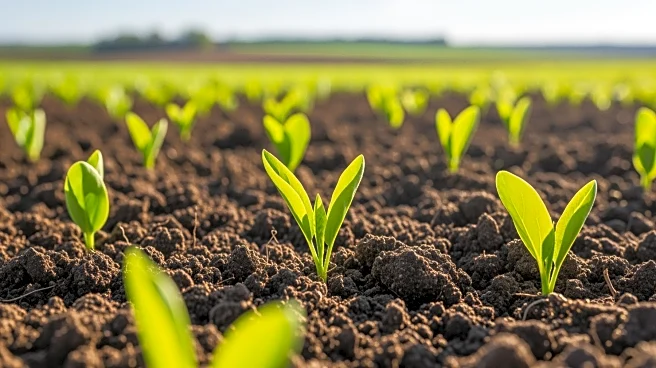
The U.S. Department of Agriculture (USDA) has announced a $700 million Regenerative Pilot Program aimed at helping American farmers adopt practices that improve soil health, enhance water quality, and boost long-term productivity. This initiative, announced by
U.S. Secretary of Agriculture Brooke L. Rollins, U.S. Health and Human Services Secretary Robert F. Kennedy, Jr., and Centers for Medicare & Medicaid Services Administrator Dr. Mehmet Oz, is part of the broader Make America Healthy Again (MAHA) agenda. The program seeks to reduce administrative burdens for farmers, expand access to new and beginning farmers, and improve yields and soil resilience. It will be administered by the USDA's Natural Resources Conservation Service (NRCS) and will focus on whole-farm planning under a single conservation framework.
Why It's Important?
This program is significant as it addresses critical issues of soil erosion and productivity in American agriculture. By streamlining conservation efforts and reducing bureaucratic hurdles, the initiative aims to make regenerative agriculture more accessible to farmers, potentially leading to more sustainable farming practices. This could enhance the long-term viability of U.S. agriculture, ensuring a stable food supply and supporting the economic well-being of farmers. The program also aligns with public health goals by promoting the production of nutritious and affordable food, which is a key component of the MAHA agenda.
What's Next?
The Regenerative Pilot Program will begin in fiscal year 2026, with funding allocated through the Environmental Quality Incentives Program (EQIP) and the Conservation Stewardship Program (CSP). Farmers interested in participating can apply through their local NRCS Service Center. The program will also establish a Chief’s Regenerative Agriculture Advisory Council to guide its implementation and foster public-private partnerships to enhance conservation efforts.