





What's Happening?
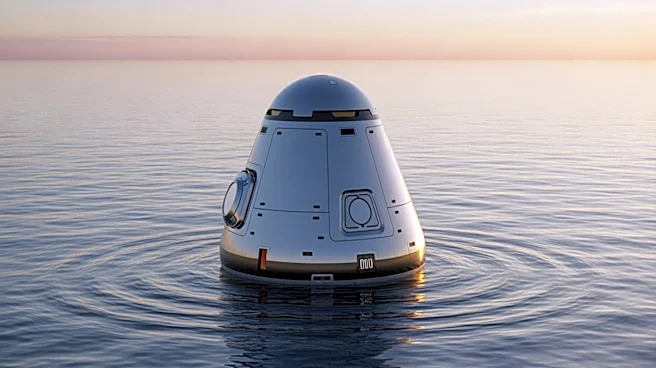
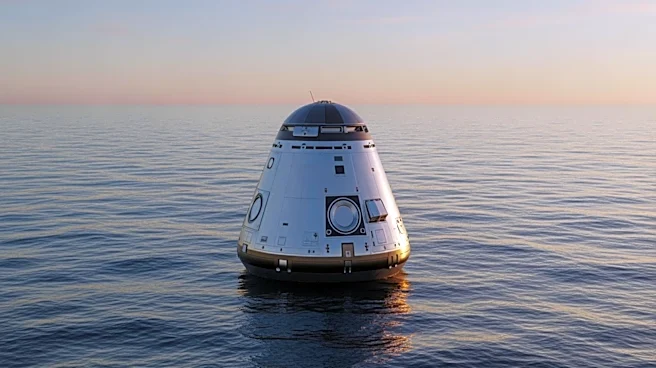
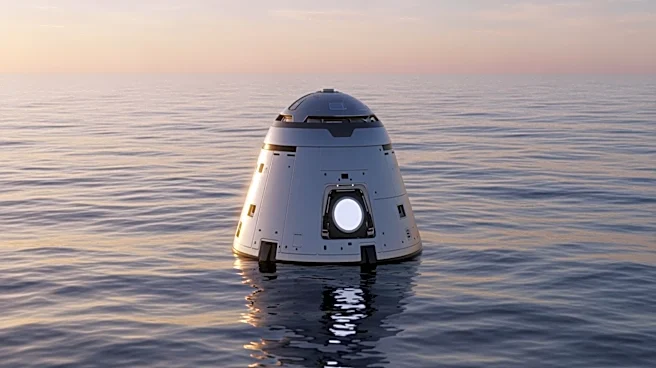
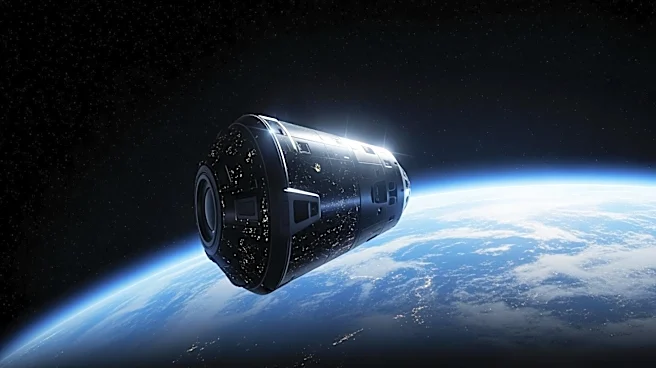
The Artemis II mission has successfully returned to Earth, with the Orion capsule carrying a crew of four astronauts, including commander Reid Wiseman, pilot Victor Glover, mission specialist Christina Koch, and Canadian astronaut Jeremy Hansen. The mission set
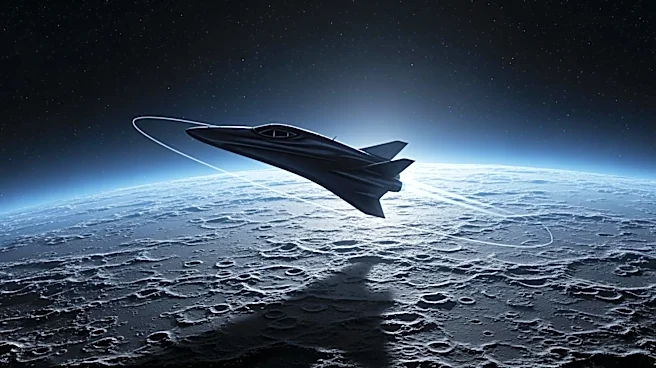
a new record for the farthest distance humans have traveled from Earth, marking a significant achievement in space exploration. The crew's nine-day mission included capturing views of the Moon's far side, contributing to NASA's goals of advancing lunar exploration and preparing for future missions to Mars.
Why It's Important?
The Artemis II mission's success is a pivotal moment for NASA's Artemis program, which aims to establish a sustainable human presence on the Moon and pave the way for human exploration of Mars. By achieving new milestones in space travel, the mission enhances the U.S.'s leadership in space exploration and could lead to technological innovations and economic opportunities. The mission also highlights the importance of international collaboration, as it involves astronauts from different countries, fostering global partnerships in space exploration.
What's Next?
Following the Artemis II mission, NASA plans to continue with the Artemis program, focusing on more complex lunar missions. These future missions will aim to establish a sustainable human presence on the Moon, which is essential for preparing for human missions to Mars. NASA will likely continue to collaborate with international partners and private companies to achieve these goals. The next steps will involve further testing and development of technologies needed for long-duration space travel and lunar habitation.