







What's Happening?
The eighth edition of the HIC Summit in Ibiza concluded with a strong emphasis on developing a tourism model tailored to the region's limitations and the needs of its residents. The summit, held over three days at various locations, focused on critical
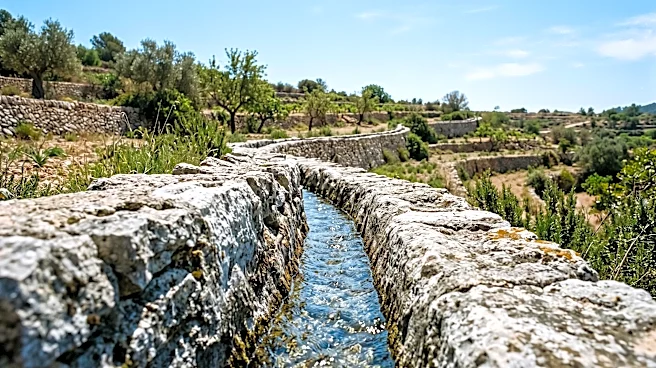
issues such as water management, landscape conservation, accessibility, and the protection of local identity. Experts participating in the conference stressed the necessity of responsible water resource management, adherence to regulations, and engagement with local communities to transition towards a more sustainable tourism sector. Discussions highlighted the finite nature of the island's resources and the importance of adapting tourism to available resources and the resident population's needs. Joan Calafat, Director General of Water Resources for the Government of the Balearic Islands, presented alarming figures on water usage and loss, advocating for a review of the tourism model to align with climate realities. Guillermo Pouplana, manager of Son Felip, a regenerative agriculture farm, shared insights on how restoring soil structure can improve water retention and reduce reliance on aquifers.
Why It's Important?
This summit's focus on regenerative tourism and resource management is crucial for regions heavily reliant on tourism, like Ibiza, which face increasing environmental pressures. The call for a tourism model that respects local limitations and prioritizes residents' needs signifies a shift from mass tourism to more sustainable and community-centric approaches. Addressing water scarcity and promoting regenerative agriculture are vital steps towards ecological resilience and long-term economic viability. The emphasis on preserving language, culture, and territory as essential elements of Ibizan identity underscores the importance of cultural sustainability alongside environmental efforts. This initiative could serve as a blueprint for other tourist destinations grappling with similar challenges, demonstrating how integrated approaches can foster a more balanced and responsible tourism ecosystem that benefits both the environment and local populations.
What's Next?
The HIC Summit's recommendations are expected to influence future policy-making in Ibiza, particularly concerning water management and tourism regulations. The call for a gradual reduction in tourism pressure and placing residents at the center of decision-making suggests potential shifts in tourism development strategies. Implementing measures like reducing network water losses, modernizing infrastructure, promoting water reuse, and improving planning through reliable data will be key next steps. The insights from regenerative agriculture practices could lead to broader adoption of such methods to enhance soil health and water retention. Continued collaboration between the tourism sector, local communities, and government bodies will be essential to translate these recommendations into concrete actions. The HIC Summit aims to continue as a forum for innovation and public-private partnerships to drive regenerative culture and the blue economy.
Beyond the Headlines
The HIC Summit's discussions reveal a deeper societal reckoning with the consequences of unchecked tourism growth. The concept of 'slow degrowth' in tourism, as advocated by the Institut d’Estudis Eivissencs, challenges the conventional economic model of continuous expansion, suggesting a more mindful approach to development. This shift reflects a growing awareness of the ecological footprint and social impact of tourism, prompting questions about the ethical responsibilities of the industry. The emphasis on accessibility, both physical and cognitive, highlights the need for inclusive tourism that caters to all members of society. Furthermore, the recognition of pioneers in tourism, like Catalina Prats Torres, while advocating for change, underscores the complex evolution of the industry and the ongoing tension between economic prosperity and environmental preservation. This summit represents a critical dialogue on how to redefine success in tourism to ensure long-term sustainability and community well-being.