





What's Happening?
The International Energy Agency (IEA) has reported that a conflict involving the United States and Israel with Iran has caused the most significant disruption to global oil and gas trade in history. This conflict, which occurred this year, has severely
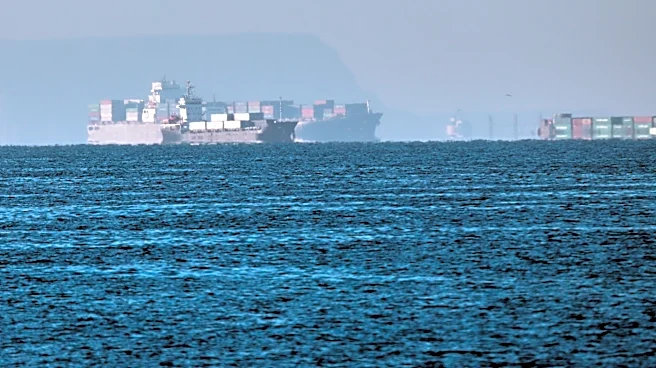
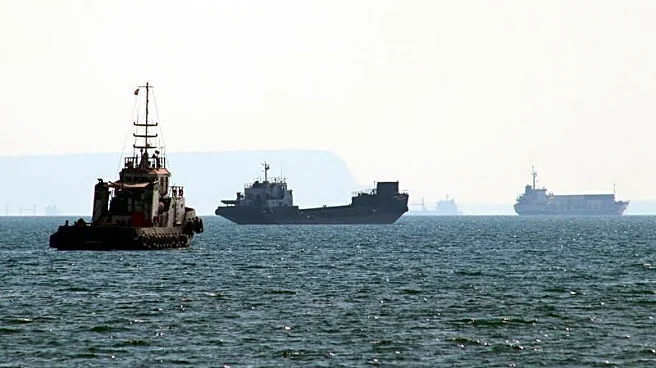
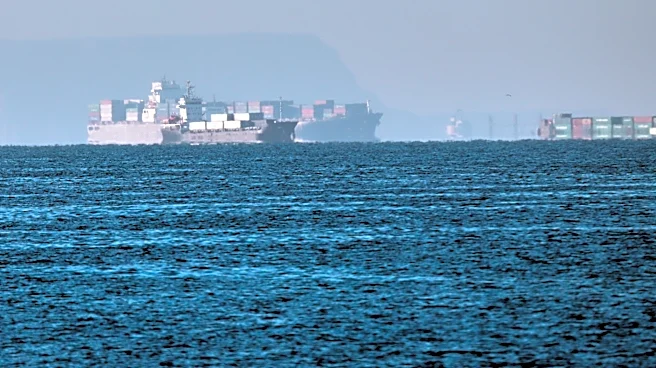
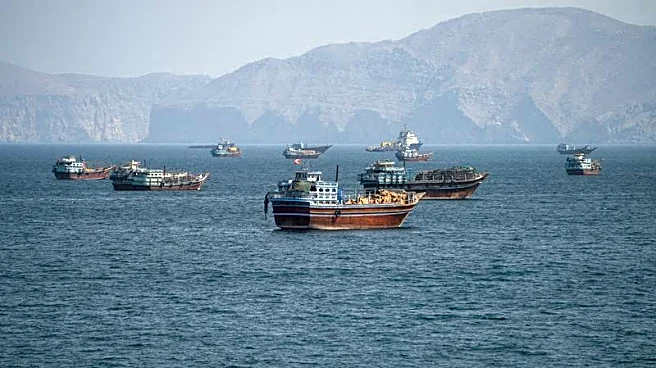
restricted shipping through the Strait of Hormuz, a critical chokepoint through which approximately one-fifth of global oil and liquefied natural gas (LNG) supplies previously passed. According to the IEA's World Energy Outlook, the war has resulted in cumulative losses of 2.8 billion barrels of oil and 60 billion cubic meters of gas supplies from the Persian Gulf. This impact far surpasses the disruption caused by the Iranian Revolution of 1978-1979, which led to losses of around one billion barrels of oil. IEA Executive Director Fatih Birol stated that the energy world will be permanently altered by this conflict. The IEA suggests that if governments respond by accelerating electrification, efficiency measures, and the switch to alternative fuels, global oil demand could be reduced by over four percent by 2035.
Why It's Important?
This event is critically important due to its profound and lasting impact on global energy markets and geopolitical stability. The Strait of Hormuz's disruption directly threatens the supply of a substantial portion of the world's oil and gas, leading to price volatility and potential energy crises globally. For the U.S., this could translate into higher fuel costs for consumers and businesses, impacting inflation and economic growth. The IEA's projection of a potential four percent reduction in global oil demand by 2035, driven by government responses, highlights a potential acceleration in the transition to renewable energy sources and energy efficiency measures. This could reshape energy policies and investments worldwide, with significant implications for industries reliant on fossil fuels and those involved in renewable energy technologies. The conflict also underscores the vulnerability of global supply chains to geopolitical events and the strategic importance of key maritime routes.
What's Next?
The immediate future will likely see continued volatility in oil and gas prices as markets adjust to the reduced supply from the Persian Gulf. Governments worldwide are expected to intensify efforts to diversify energy sources and enhance energy security, potentially leading to increased investments in renewable energy, nuclear power, and domestic fossil fuel production where feasible. The IEA's call for accelerated electrification and efficiency measures suggests a policy push towards sustainable energy transitions. The long-term implications include a potential shift in global energy consumption patterns and a re-evaluation of energy infrastructure. The ongoing geopolitical tensions in the Middle East will remain a critical factor influencing energy markets, with any further escalation or de-escalation having immediate effects on supply and pricing. Businesses and consumers should anticipate a period of adjustment to higher energy costs and potential shifts in energy policy.
Beyond the Headlines
The conflict's impact extends beyond immediate energy prices, touching upon broader themes of international security, economic resilience, and climate change mitigation. The reliance on a single, vulnerable chokepoint like the Strait of Hormuz for a significant portion of global energy supply highlights the inherent risks in the current energy landscape. This event could serve as a catalyst for nations to prioritize energy independence and invest heavily in decentralized and diversified energy systems. Ethically, the conflict raises questions about the human cost of geopolitical tensions and their ripple effects on global economies and daily lives. Environmentally, while the immediate crisis is detrimental, the IEA's suggestion of accelerated energy transition could, paradoxically, contribute to long-term climate goals by forcing a faster move away from fossil fuels. This event underscores the complex interplay between geopolitics, economics, and environmental sustainability.