


What's Happening?
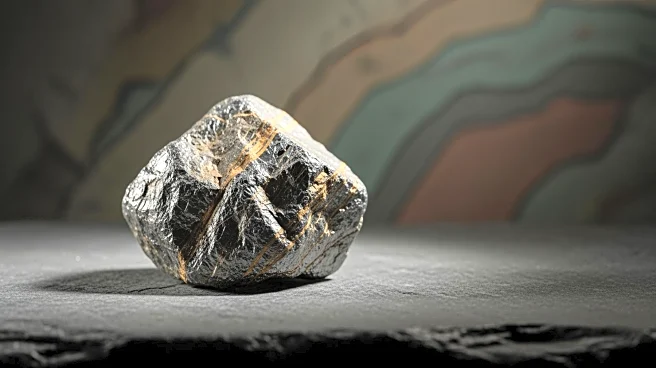
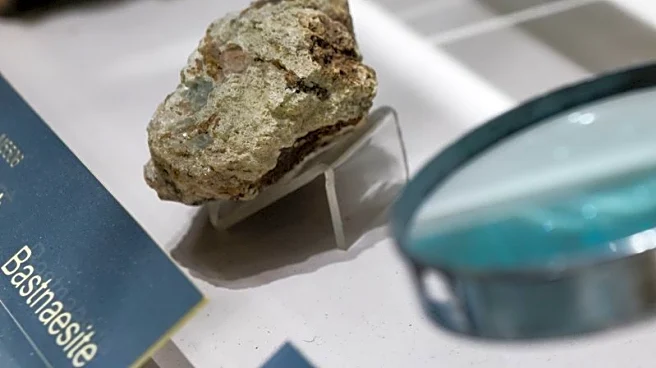
Brazil is positioning itself as a key player in the global energy transition by leveraging its vast reserves of critical minerals. The country holds significant percentages of the world's niobium, graphite, nickel, and rare earth elements, and is scaling
up lithium production. Lawmakers are working to improve the business environment to capitalize on rising global demand and to move up the value chain by processing these minerals locally. This initiative follows two major mining disasters in Brazil, prompting legislative reforms to enhance safety and environmental standards. The National Critical Minerals Policy, currently under debate, aims to establish Brazil as a leader in sustainable mineral production.
Why It's Important?
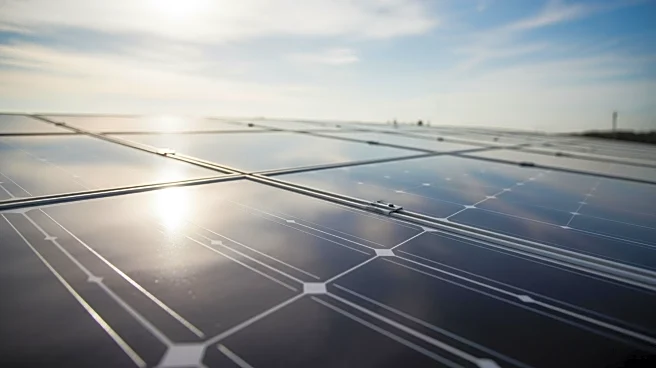
Brazil's push for sustainable mining practices is crucial as the world shifts towards clean technologies like electric vehicles and renewable energy. By becoming a reliable supplier of critical minerals, Brazil can significantly influence global supply chains and reduce dependency on less sustainable sources. This move not only positions Brazil as a strategic partner in the energy transition but also addresses environmental concerns associated with mining. The initiative could lead to economic growth, job creation, and technological advancements in Brazil, while setting a precedent for sustainable mining practices globally.
What's Next?
The Brazilian Congress is debating the National Critical Minerals Policy, which will define objectives and indicators for the sector. The policy includes establishing a Critical and Strategic Minerals Committee to guide governance and international collaboration. Financial incentives and regulatory frameworks are also being developed to support sustainable mining. The private sector is actively participating, with companies forming associations to promote innovation and socio-environmental responsibility. As Brazil advances these initiatives, it will likely attract international investment and partnerships, further solidifying its role in the global energy transition.