






What's Happening?
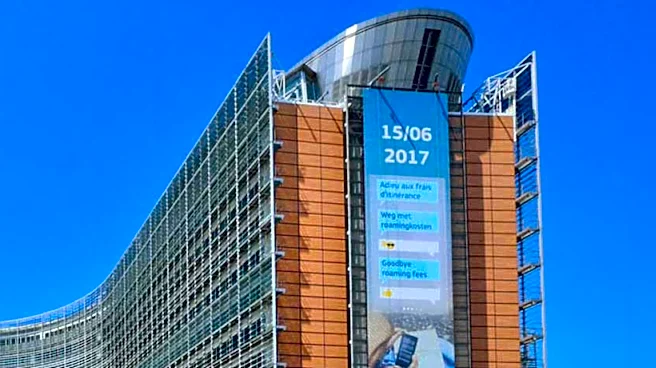
The European Commission recently convened an Implementation Dialogue on Research Security, bringing together stakeholders from across the European research and innovation ecosystem. Chaired by Commissioner for Startups, Research and Innovation, Ekaterina
Zaharieva, the discussion focused on the progress and challenges in implementing research security measures and strengthening support and coordination at the EU level. Participants shared practical experiences, emerging good practices, and identified areas requiring further support to help the research and innovation sector address security risks. This initiative is part of the Commission's broader efforts to assist Member States and research and innovation stakeholders in establishing robust research security frameworks, aligning with the European Economic Security Strategy and the Council Recommendation on Enhancing Research Security. The dialogue emphasized the importance of integrating research security while preserving academic freedom, institutional autonomy, and trusted international partnerships, especially in light of increasing international tensions and risks related to unwanted technology transfer, malign influence, and misuse of research outcomes.
Why It's Important?
The European Commission's focus on research security is crucial for safeguarding Europe's technological and intellectual assets in an increasingly complex global landscape. By addressing challenges such as unwanted technology transfer and malign influence, the EU aims to protect its competitive edge in critical sectors. This initiative directly impacts U.S. interests by potentially influencing the terms of international research collaborations and technology sharing. Stricter research security measures in Europe could lead to more stringent vetting processes for U.S. partners or joint projects, particularly in sensitive areas like advanced computing and AI. Conversely, a more secure European research environment could foster greater trust and stability, potentially benefiting U.S. companies and institutions engaged in legitimate partnerships. The emphasis on balancing security with academic freedom and international cooperation highlights the delicate act of protecting national interests without stifling innovation, a challenge also faced by the U.S. in its own research security efforts.
What's Next?
The European Commission's Implementation Dialogue on Research Security is part of an ongoing effort to refine and strengthen EU policies in this area. The insights gathered from stakeholders will inform future actions and potentially lead to new guidelines or support mechanisms for Member States and research institutions. The Commission will continue to engage with stakeholders through these dialogues, aiming to ensure that EU policies and programs are effectively implemented on the ground. Further discussions and policy developments are expected to focus on practical solutions for integrating research security into the European research and innovation ecosystem, while upholding academic freedom and fostering trusted international partnerships. The outcomes of these efforts could influence the regulatory environment for research and innovation across Europe, potentially setting new standards for international collaborations and intellectual property protection.
Beyond the Headlines
The European Commission's initiative on research security reflects a broader global trend towards increased scrutiny of international scientific collaborations, driven by geopolitical tensions and concerns over economic security. This development raises important ethical and legal questions regarding the balance between open scientific exchange, which is vital for progress, and the need to protect sensitive research from exploitation. The emphasis on safeguarding academic freedom and institutional autonomy within a security framework highlights the inherent tension in these policies. Long-term implications could include a re-evaluation of traditional models of international scientific cooperation, potentially leading to more localized or regionally focused research efforts. For the U.S., this could mean a shift in how it engages with European partners, with a greater emphasis on secure and trusted collaborations. The cultural dimension involves fostering a security-aware mindset within the scientific community without creating an environment of suspicion or hindering the free flow of ideas essential for innovation.