
What's Happening?
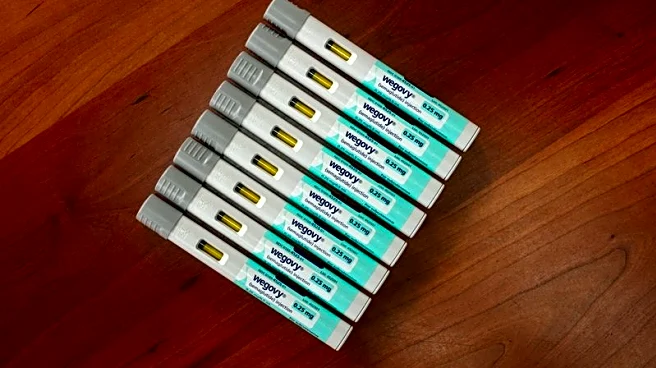
GLP-1 drugs, initially used for diabetes management, have seen a significant increase in use for weight loss in the U.S., now reaching up to 12% of the population. These drugs, including liraglutide and
semaglutide, are associated with several side effects such as gastrointestinal issues, blindness, acute pancreatitis, and hair loss. Gastrointestinal symptoms like nausea and diarrhea are common, affecting more than one in ten users. Blindness, although not conclusively linked, has been associated with these drugs, leading to lawsuits against manufacturers Eli Lilly and Novo Nordisk. Acute pancreatitis has been reported in 574 cases with 10 deaths in the UK, raising concerns about the safety of these medications.
Why It's Important?
The rise in popularity of GLP-1 drugs for weight loss highlights a shift in consumer behavior towards pharmaceutical solutions for obesity, a major public health issue in the U.S. The side effects and legal challenges associated with these drugs could impact public trust and lead to increased scrutiny from regulatory bodies. The potential for serious side effects like blindness and pancreatitis may drive consumers towards natural, food-based alternatives, affecting the pharmaceutical market. The ongoing lawsuits could result in significant financial and reputational consequences for the drug manufacturers involved.
What's Next?
As lawsuits against Eli Lilly and Novo Nordisk continue to mount, a panel of federal judges in the U.S. has decided to centralize these cases, indicating a potential for large-scale legal proceedings. This could lead to settlements or changes in how these drugs are marketed and prescribed. Regulatory agencies may also increase their oversight and require more comprehensive studies to assess the safety of GLP-1 drugs. The outcome of these legal and regulatory actions could influence future drug development and consumer choices in the weight loss market.