
What's Happening?
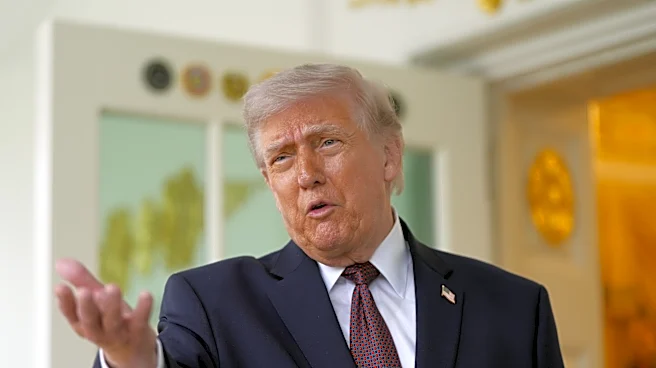
President Trump highlighted his 'no tax on tips' policy during a roundtable in Las Vegas, where he credited the city as the birthplace of the idea. The policy, part of the One Big Beautiful Bill Act, aims
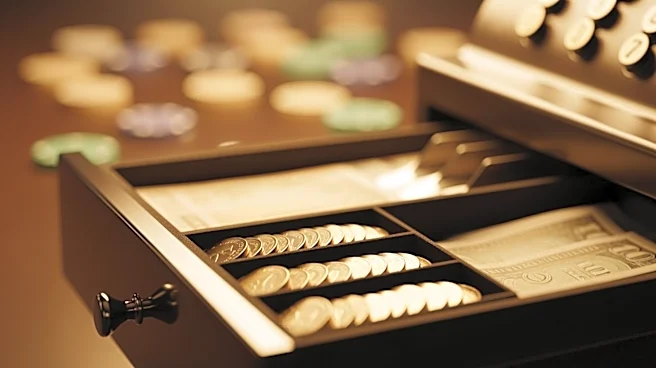
to provide tax relief to tipped workers, with some reporting refunds of up to $8,000. Trump emphasized the policy's impact on Nevada's large population of tipped workers, including waiters, casino dealers, and bartenders. Treasury Secretary Scott Bessent noted that over 53 million filers have benefited from the tax cuts, with more than 6 million claiming the 'no tax on tips' deduction.
Why It's Important?
The 'no tax on tips' policy is a significant component of President Trump's tax reform efforts, aimed at providing financial relief to workers in the service industry. By reducing the tax burden on tipped income, the policy seeks to increase disposable income for these workers, potentially boosting consumer spending and economic activity. The policy's success in Las Vegas, a hub for tipped employment, underscores its potential impact on similar economies across the country. However, the policy's long-term sustainability and broader economic implications remain subjects of debate.
What's Next?
As the midterm elections approach, the future of the 'no tax on tips' policy may hinge on the political landscape. President Trump has warned that a Democratic victory could lead to the repeal of these tax cuts. The administration may continue to promote the policy's benefits to secure voter support, particularly in states with significant service industry employment. Additionally, discussions around the policy's extension or modification could arise, depending on its perceived effectiveness and economic impact.