





What's Happening?
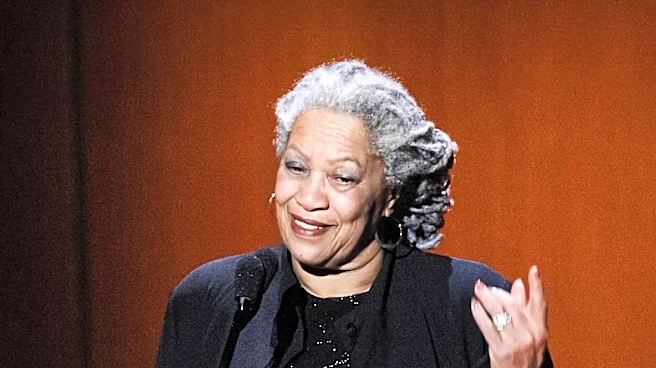
Dr. Johanna Fernández, a prominent historian and advocate for prison abolition, passed away on July 30, 2026, at the age of 55 after battling non-small cell lung cancer. Fernández was a professor at Baruch College and the CUNY Graduate Center, known for her
extensive research on the Young Lords, a Puerto Rican and Latinx radical organization. Her acclaimed book, 'The Young Lords: A Radical History,' was based on oral histories and police surveillance files obtained through a lawsuit against the NYPD. Fernández's work uncovered the Handschu files, which documented NYPD surveillance on various social movements. Her commitment to social justice extended to editing works on Mumia Abu-Jamal and co-curating exhibitions on Latinx freedom movements.
Why It's Important?
Fernández's work has had a significant impact on the understanding of social movements in the United States, particularly the Young Lords' role in advocating for community control and social justice. Her research provided a comprehensive analysis of the Young Lords' contributions to social change, placing them in the broader context of revolutionary movements. Her efforts in uncovering NYPD surveillance practices highlighted issues of civil liberties and government transparency. Fernández's dedication to prison abolition and her collaborations with activists like Mumia Abu-Jamal have contributed to ongoing discussions about mass incarceration and criminal justice reform in the U.S.
What's Next?
Memorials and events are being planned to honor Fernández's legacy and the work of the Young Lords. Her family and colleagues are expected to continue her efforts in preserving the history and contributions of Latinx movements. A scripted miniseries about the Young Lords, which Fernández was involved in, is in development to bring their story to a wider audience. This project aims to capture the momentum and urgency of the Young Lords' activism, ensuring that their legacy continues to inspire future generations.
Beyond the Headlines
Fernández's work not only documented historical movements but also emphasized the importance of intergenerational organizing and the preservation of oral histories. Her commitment to bridging past and present struggles for social justice highlights the ongoing relevance of these movements. The exhibitions she co-curated have reached diverse audiences, fostering a deeper understanding of the universal struggle for equality and freedom. Her archives and research are considered invaluable resources for scholars and activists alike, underscoring the need to protect and continue her work.