
What's Happening?
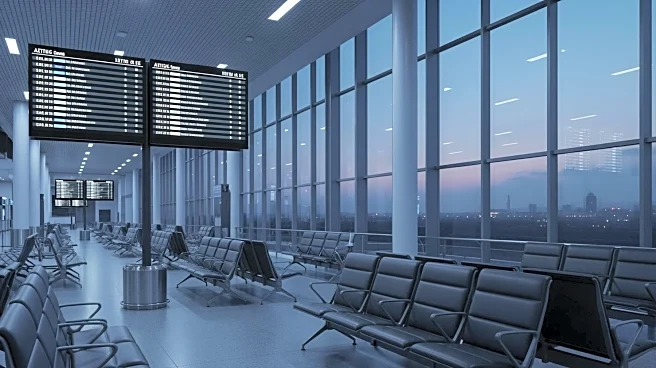
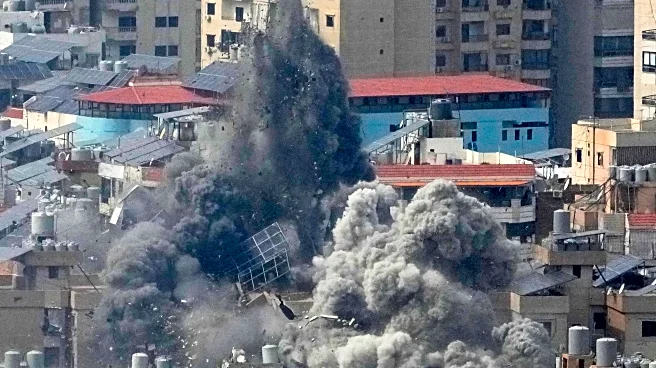
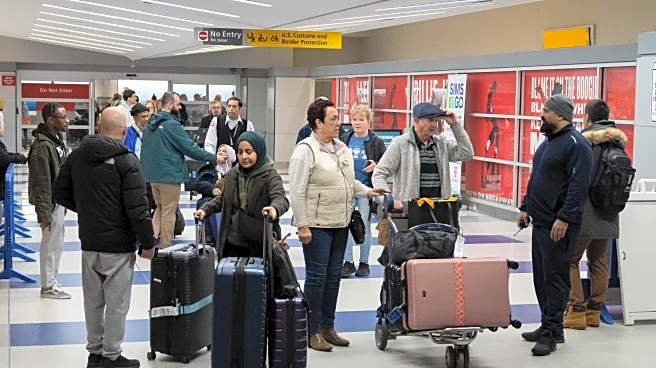
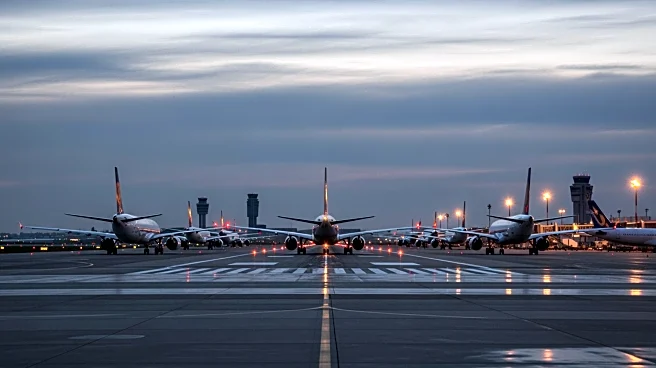
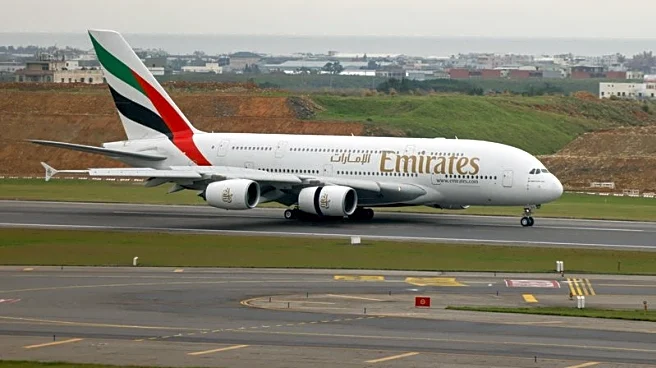
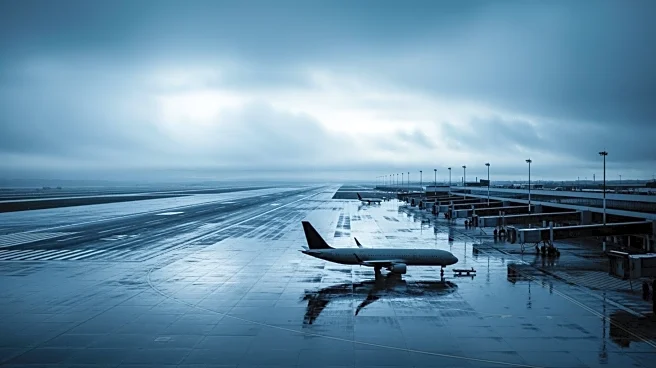
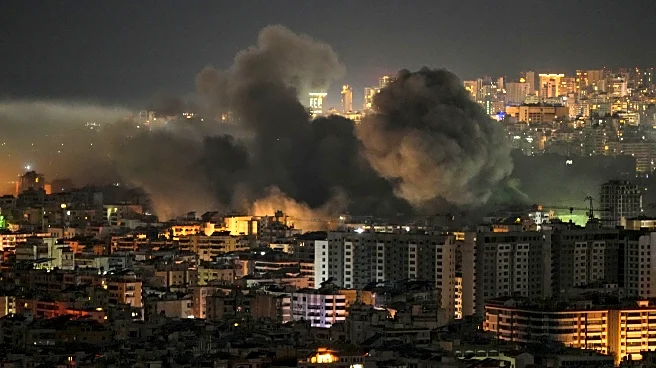
Amid escalating conflict between the U.S., Israel, and Iran, hundreds of thousands of travelers are stranded across the Middle East due to flight cancellations and airspace closures. The conflict has intensified, particularly affecting Gulf states, which
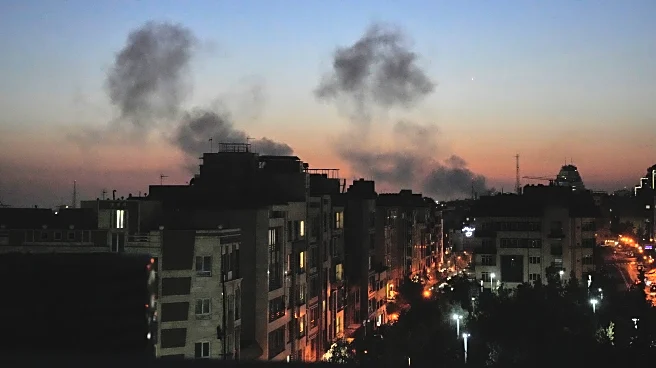
serve as major transit hubs. Travelers, including tourists, business professionals, and migrant workers, are struggling to find ways home. Some have shared their experiences, such as a European couple stranded in Dubai with their children, and a tech entrepreneur whose flight from Doha to Barcelona was turned back. U.S. tourists in Dubai and expatriates in the UAE are also facing disruptions, with some hearing fighter jets and explosions. Despite the chaos, local initiatives are providing temporary accommodations to those affected.
Why It's Important?
The situation highlights the vulnerability of international travel during geopolitical conflicts, impacting not only personal travel plans but also global business operations. The disruption in the Middle East, a critical transit region, affects global connectivity, potentially leading to economic repercussions for airlines and related industries. The conflict underscores the need for robust contingency planning for travelers and businesses operating in volatile regions. The experiences of stranded travelers also reflect the human cost of geopolitical tensions, emphasizing the importance of diplomatic efforts to stabilize the region.
What's Next?
As the conflict continues, travelers and airlines face ongoing uncertainty. Evacuation efforts are underway, but the situation remains fluid, with potential for further disruptions. Airlines may need to adjust routes and schedules, while travelers must remain flexible and informed about developments. The international community may increase diplomatic efforts to de-escalate tensions, aiming to restore stability and normalcy to affected regions.