
What's Happening?
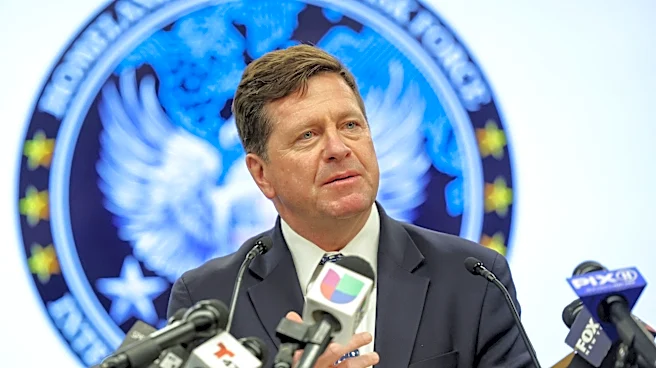
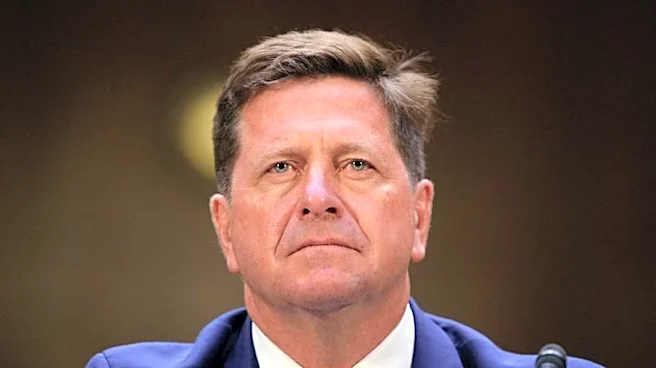
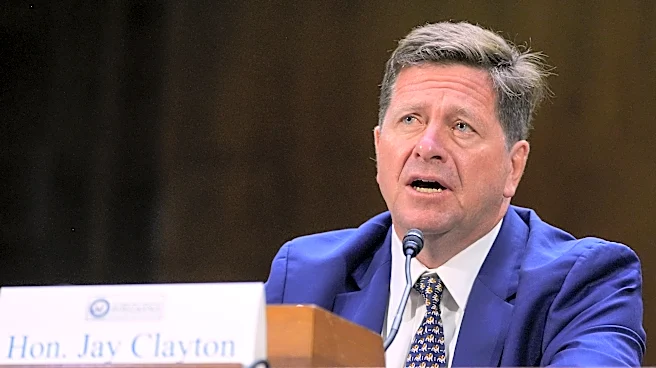
The U.S. Senate has confirmed Jay Clayton as the new director of national intelligence in a 51-47 vote. Clayton, an attorney and former U.S. attorney for the Southern District of New York, faced opposition
from Democrats who expressed concerns about his potential to politicize intelligence under President Trump's administration. Despite lacking direct intelligence experience, Clayton's supporters, including Republican Senator Tom Cotton, highlighted his national security credentials. During his confirmation hearing, Clayton was questioned about his stance on the 2020 presidential election results, which he acknowledged but refused to explicitly affirm President Biden's victory. This has raised concerns about his independence and susceptibility to political pressure.
Why It's Important?
Clayton's confirmation is crucial as it places him at the helm of the U.S. intelligence community during a period of heightened political tension and scrutiny. His leadership will be pivotal in navigating the balance between national security and political influence, especially given the ongoing debates about intelligence agency reforms and privacy concerns. The decision also reflects broader partisan divides in the Senate, with potential implications for future intelligence operations and legislative oversight. Clayton's role will be closely watched as he manages the intelligence community's response to both domestic and international threats.
What's Next?
Clayton will need to address the concerns raised during his confirmation, particularly regarding his independence from political influence. His leadership will be tested as he oversees intelligence operations and potentially contentious issues such as the reauthorization of surveillance programs. The intelligence community and Congress will be monitoring his actions closely, especially in light of the White House's push for job cuts in intelligence agencies. Clayton's ability to maintain the integrity of intelligence assessments and resist political pressure will be critical in shaping the future of U.S. intelligence policy.