





What's Happening?
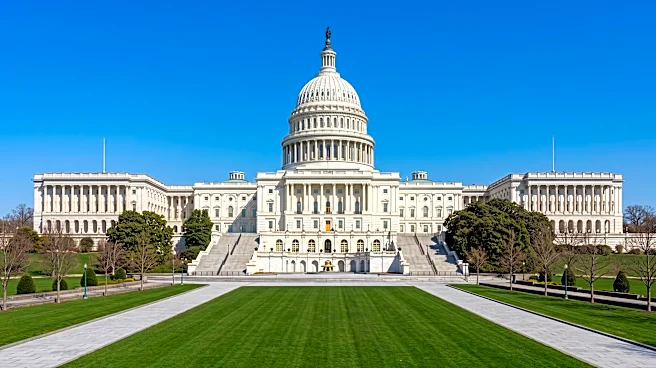
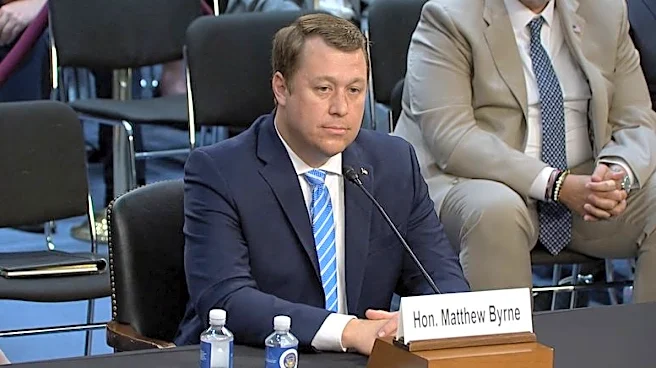
U.S. Senator Dan Sullivan's (R-AK) legislation, the Bycatch Reduction Act (S. 4938), aimed at reducing fisheries bycatch and trawl-gear damage to the seafloor, successfully cleared the Senate Commerce, Science and Transportation Committee. The bill passed
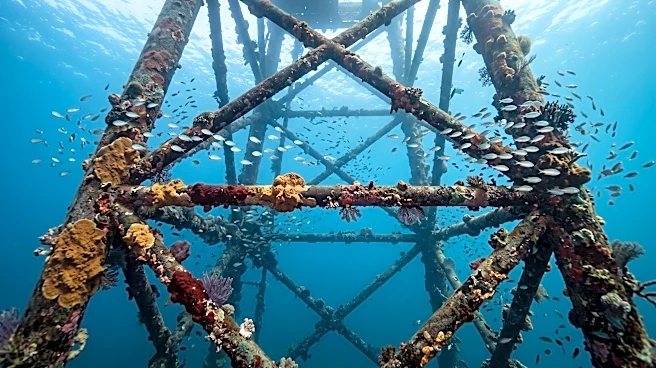
with a vote of 22-4, with all four opposing votes coming from Democratic Senators Maria Cantwell (WA), Amy Klobuchar (MN), Edward Markey (MA), and Brian Schatz (HI). Senator Sullivan introduced the measure on June 24, incorporating input from various stakeholders including commercial, sport, and subsistence fishermen, coastal communities, and the Alaska Salmon Task Force. The legislation seeks to minimize the unintended harvest of species like salmon, crab, and halibut, and to limit the environmental impact of trawl gear in key Alaskan waters such as the Bering Sea, Aleutian Islands, and Gulf of Alaska. Key provisions include establishing performance standards for trawl gear, requiring technology to detect seafloor contact, and expanding salmon tagging and genetic testing.
Why It's Important?
This bill is crucial for the sustainability of Alaska's vital fisheries and the broader marine ecosystem. Bycatch, the unintended capture of non-target species, poses a significant threat to fish populations and marine biodiversity. The legislation's focus on reducing bycatch and mitigating seafloor damage directly addresses environmental concerns and aims to protect the long-term economic viability of the fishing industry in Alaska. The bipartisan support for the bill in committee, despite some Democratic opposition, indicates a recognition of the urgency of these issues. Furthermore, the bill's provisions for increased transparency, improved data collection, and the reauthorization of the Bycatch Reduction Engineering Program could serve as a model for fisheries management nationwide. The measure also targets foreign seafood producers that operate under less stringent environmental standards, which could level the playing field for American fishermen and promote more sustainable global fishing practices. This could have significant economic implications for the U.S. seafood industry.
What's Next?
With the Bycatch Reduction Act having cleared the Senate Commerce, Science and Transportation Committee, it now moves forward for potential consideration by the full Senate. For the bill to become law, it must pass both the Senate and the House of Representatives and then be signed by the President. While the committee vote provides substantial momentum, a date for Senate floor consideration has not yet been announced. If enacted, the legislation will require various federal agencies, including NOAA, to implement new regulations, monitoring programs, and reporting requirements. This will involve collaboration with the fishing industry, researchers, and local communities to develop and adopt new technologies and practices. The bill's success will depend on its ability to effectively reduce bycatch and protect marine habitats while balancing the economic interests of the fishing industry. The provisions targeting foreign seafood imports could also lead to international trade discussions and potential disputes.
Beyond the Headlines
Beyond its immediate environmental and economic impacts, this legislation touches upon the complex interplay between conservation, industry, and scientific research. The bill's emphasis on ecosystem analysis and understanding the multiple factors contributing to declining fish populations, such as climate change and marine heatwaves, highlights a more holistic approach to fisheries management. It acknowledges that bycatch is not the sole issue and that broader environmental shifts must also be considered. The requirement for increased transparency and public access to bycatch data could empower stakeholders and foster greater accountability within the fishing industry. Moreover, the bill's call for a flume-tank testing facility underscores the importance of innovation and technological advancement in addressing environmental challenges. This legislative effort could contribute to a broader shift towards more sustainable and adaptive management strategies for marine resources in the face of evolving environmental conditions.