





What's Happening?
A clinical trial conducted at the University of Alberta has demonstrated that combining walking with psychotherapy can effectively aid in the recovery of Post-Traumatic Stress Disorder (PTSD). The treatment, known as Multi-modal Motion-assisted Memory
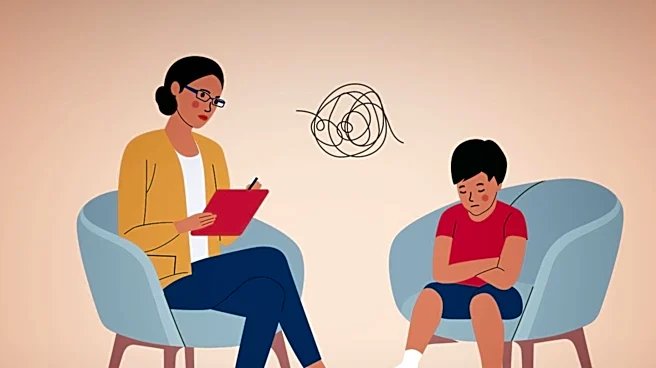
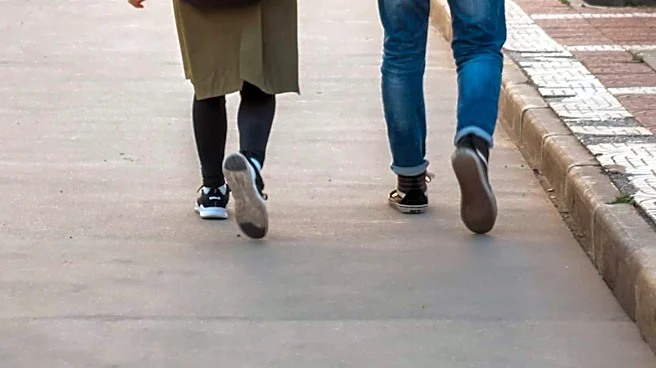
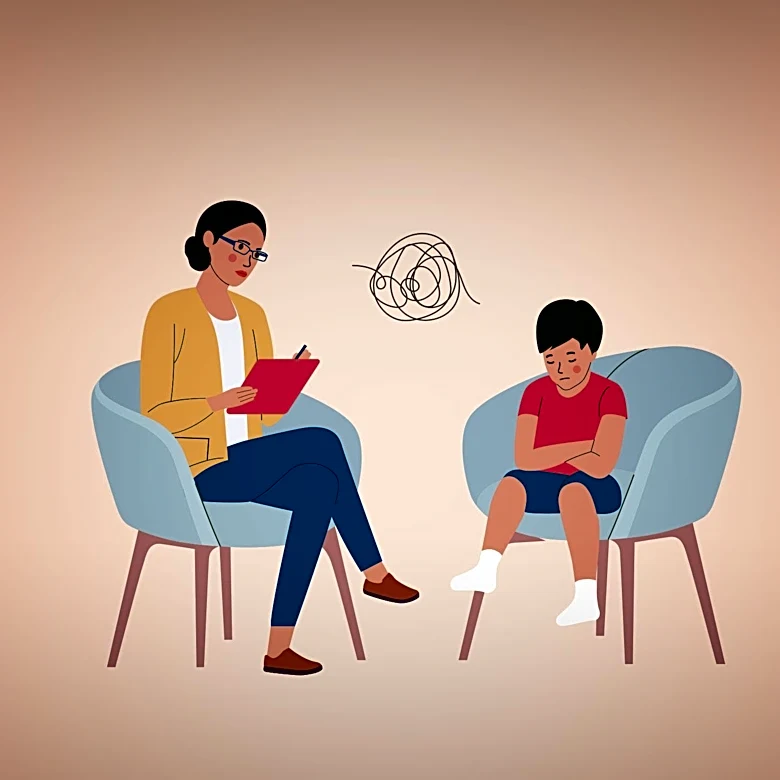
Desensitization and Reconsolidation (3MDR), was initially developed in the Netherlands over a decade ago. The University of Alberta is currently the only lab in Canada conducting trials for this method. The process involves patients walking on a treadmill towards three large television screens displaying five to seven self-selected images that evoke traumatic memories. A therapist guides the patient through the session, asking questions about the images, and then purposely distracts them to disconnect from the triggered memory. The study included 48 participants with PTSD, 22 of whom had treatment-resistant PTSD, meaning they had not responded to at least two previous therapies. Participants, including active military members, veterans, first responders, and healthcare workers, received 3MDR therapy for 10 or 14 weeks, with each session lasting approximately an hour.
Why It's Important?
This research offers a promising new avenue for PTSD treatment, particularly for individuals who have not found success with traditional therapies. The integration of physical activity, specifically walking, appears to provide a unique mechanism for patients to regulate their emotional responses during sessions, allowing them to confront and process traumatic memories rather than avoid them. This approach could significantly reduce the time required for effective treatment, with researchers observing improvements in weeks to months compared to the typical three to five years for other methods. The physical aspect of 3MDR also helps military and ex-military personnel engage more effectively in treatment, addressing issues like disassociation and avoidance that can hinder talk therapy. The potential for faster and more sustained recovery could lead to improved quality of life for many individuals suffering from PTSD, reducing the long-term impact of the disorder on their daily lives and relationships.
What's Next?
The promising results of the 3MDR clinical trial suggest a potential for wider adoption and further research into this treatment method. Veterans Affairs Canada (VAC) has acknowledged 3MDR as a "promising treatment approach" and is monitoring emerging research. Some veterans attending VAC-funded operational stress injury clinics in Edmonton and Calgary are already being offered the opportunity to participate in 3MDR research trials. The simplicity of the treatment's requirements could also facilitate its implementation in rural areas or even on military bases in active war zones. This could allow soldiers to receive treatment for traumatic incidents before they develop into full-blown PTSD, potentially enhancing their resiliency and preventing long-term psychological distress. Continued monitoring and expansion of these trials will be crucial to fully understand the long-term benefits and broader applicability of 3MDR.
Beyond the Headlines
The 3MDR approach highlights a deeper understanding of the mind-body connection in trauma recovery. The act of physically moving towards images that represent traumatic events, rather than mentally running from them, could be a powerful metaphor for psychological processing. This method challenges traditional talk therapy by incorporating a kinesthetic element, suggesting that physical engagement can facilitate emotional regulation and memory reconsolidation. The success with treatment-resistant PTSD patients also points to the potential for this therapy to address complex cases where other interventions have failed. Furthermore, the ability to potentially implement this treatment in diverse settings, including active conflict zones, raises ethical considerations about early intervention and the psychological support provided to military personnel, potentially shifting the paradigm of trauma care in high-stress environments.