







What's Happening?
UNICEF is actively recruiting a Planning, Monitoring & Evaluation Specialist for a fixed-term position in Juba, South Sudan. This role is critical for providing technical, operational, and administrative assistance across the planning, monitoring, and evaluation
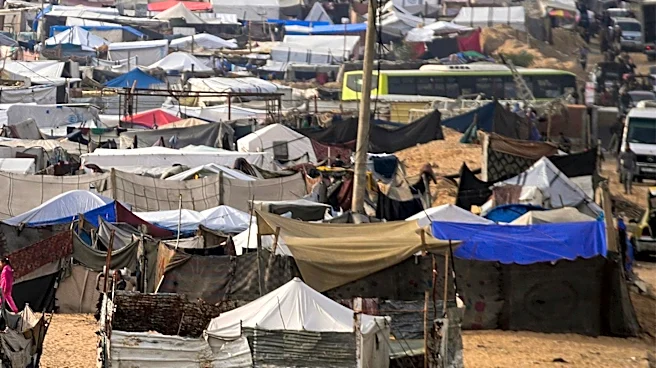
processes within the UNICEF South Sudan Country Office. The specialist will be responsible for preparing, executing, managing, and implementing various tasks to ensure evaluations are conducted on schedule and that their results and recommendations are effectively implemented and followed up. The South Sudan Country Office operates in a challenging humanitarian environment marked by ongoing conflict, displacement, climate shocks, disease outbreaks, economic fragility, and severe food insecurity. These conditions necessitate UNICEF's continued provision of life-saving humanitarian aid while simultaneously working to strengthen national and subnational systems and build greater resilience for children and communities. The position requires a Master's degree in relevant fields and at least five years of professional experience in strategic program planning, results-based management, monitoring, evaluation, data analysis, and performance reporting, particularly in fragile, conflict-affected, or humanitarian settings.
Why It's Important?
This recruitment highlights the persistent and complex humanitarian challenges faced by South Sudan, underscoring the critical need for robust planning and evaluation in aid efforts. The specialist's role is vital for ensuring that UNICEF's interventions are effective, accountable, and adaptable to the dynamic and severe conditions on the ground. By strengthening monitoring and evaluation, UNICEF can better assess the impact of its programs, identify gaps, and optimize resource allocation to address the multifaceted crises, including displacement, climate-induced vulnerabilities, and health emergencies. The emphasis on building resilience and strengthening local systems is crucial for transitioning from immediate humanitarian response to sustainable development, ultimately benefiting the most vulnerable populations, especially children. The successful candidate will contribute to evidence-based decision-making, which is essential for maximizing the efficiency and reach of humanitarian assistance in a region where resources are often stretched thin and needs are immense.
What's Next?
The recruitment process for the Planning, Monitoring & Evaluation Specialist position is ongoing, with applications open until November 18, 2026. Once filled, the specialist will immediately begin work on enhancing UNICEF's program effectiveness in South Sudan. This will involve supporting the preparation of integrated monitoring and evaluation plans, overseeing their implementation, and ensuring the dissemination and follow-up of evaluation findings. The role will also focus on networking, partnership building, and fostering innovation and knowledge management within the country office. The continuous monitoring and evaluation efforts are expected to inform future programming and resource allocation, helping UNICEF and its partners to adapt strategies to the evolving humanitarian landscape in South Sudan. The long-term goal is to improve the delivery of essential services and build sustainable resilience for communities affected by conflict, climate change, and economic instability.
Beyond the Headlines
The ongoing need for specialized roles like this in South Sudan reflects a broader global challenge in humanitarian aid: the transition from emergency response to long-term development and resilience-building in protracted crises. The emphasis on planning, monitoring, and evaluation is not merely administrative; it represents a commitment to accountability and learning within the humanitarian sector. In contexts like South Sudan, where external aid plays a significant role, the effectiveness of such roles can influence donor confidence and the sustainability of interventions. Furthermore, the requirement for experience in fragile and conflict-affected settings underscores the unique complexities of delivering aid in environments where political instability, violence, and environmental shocks are intertwined. This position, therefore, is not just about a job opening but symbolizes the continuous effort to professionalize and optimize humanitarian action to achieve lasting positive change for vulnerable populations.