







What's Happening?
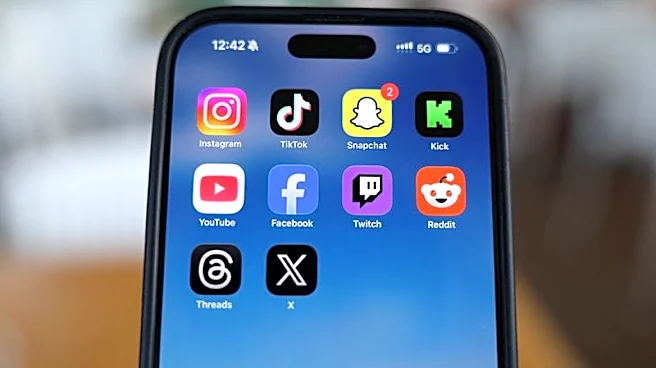
A recent study has highlighted significant shortcomings in the enforcement of Australia's social media ban for users under 16. The study, conducted by a team of software testers, found that many social media platforms, including Instagram, Snapchat, TikTok,
and YouTube, failed to verify the age of users who claimed to be 16. Out of 50 accounts created by the testers, only one platform, Kick, required proof of age. This lack of verification has led to instances where underage users were exposed to inappropriate content. A Meta spokesperson explained that the test accounts were not checked because it was unclear if they behaved like genuine under-16 users. Despite these findings, the eSafety commissioner remains confident that platforms have the necessary technology to enforce the age restrictions.
Why It's Important?
The failure of social media companies to adequately verify the age of users under the Australian ban raises concerns about the effectiveness of such regulations. This issue is significant as it highlights the challenges in protecting minors from harmful online content. The lack of proper age verification could lead to increased exposure of young users to inappropriate material, posing risks to their safety and well-being. The findings also underscore the need for more robust age verification systems and greater accountability from social media companies to ensure compliance with regulations designed to protect minors.
What's Next?
The study's findings may prompt regulatory bodies to reassess the current age verification processes and push for stricter enforcement measures. Social media companies might face increased pressure to implement more effective age verification technologies. Additionally, there could be calls for legislative changes to ensure that platforms are held accountable for non-compliance. The ongoing debate about online safety for minors is likely to intensify, with stakeholders from various sectors advocating for improved protective measures.