








What's Happening?
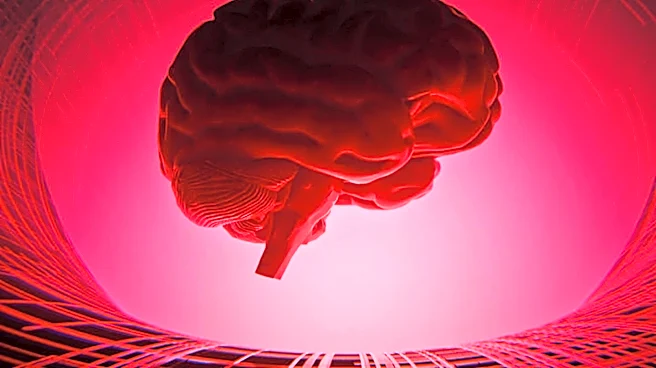
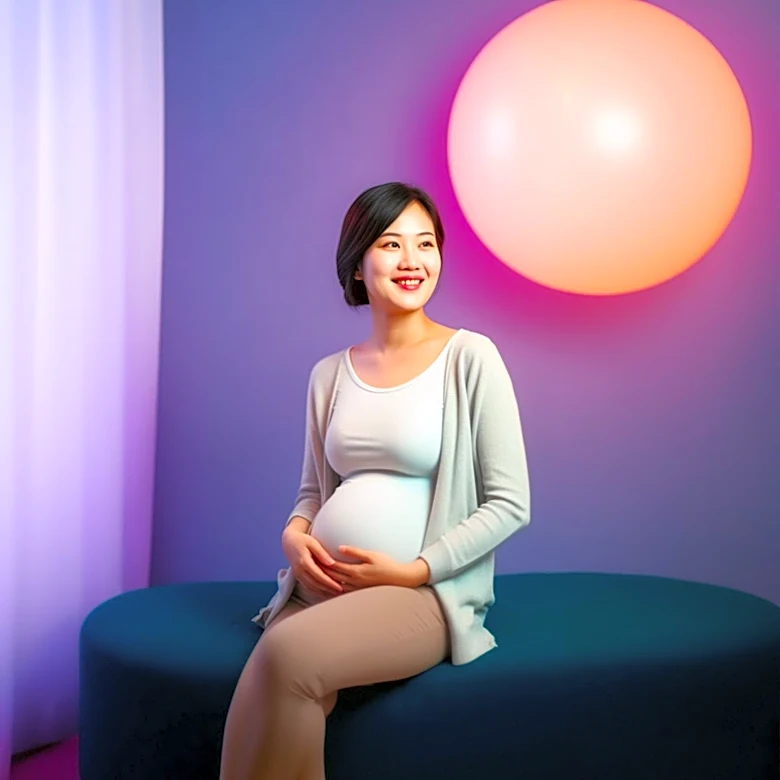
A responsive neurostimulator brain implant is providing significant relief for epilepsy patients by reducing seizures. Whitney Wilkinson, diagnosed with epilepsy at age 12, has experienced a substantial improvement in her quality of life since receiving
the implant. The device, which monitors brain waves and sends pulses to stop seizures, has been used by 100 patients through Intermountain Health. Neurologist Jeffrey Bigelow notes that the implant decreases seizures by 75% on average, allowing many patients to lead more normal lives. The implant is currently approved for focal epilepsy and is covered by insurance when medications fail.
Why It's Important?
The development of this brain implant represents a significant advancement in epilepsy treatment, offering hope to patients who do not respond to traditional medications. By reducing seizures, the implant improves patients' quality of life, enabling them to engage in daily activities with greater confidence. This innovation also contributes to the broader understanding of epilepsy, as data collected from the device helps doctors optimize patient care. The success of this treatment could lead to wider approval and insurance coverage, potentially benefiting a larger population of epilepsy patients.
What's Next?
As the implant continues to demonstrate effectiveness, there is potential for its approval to expand beyond focal epilepsy, allowing more patients to benefit. Ongoing research and data collection will likely refine the technology and its application, possibly leading to further innovations in seizure management. The medical community may also explore similar neurostimulation devices for other neurological conditions, broadening the scope of treatment options available to patients.