




What's Happening?
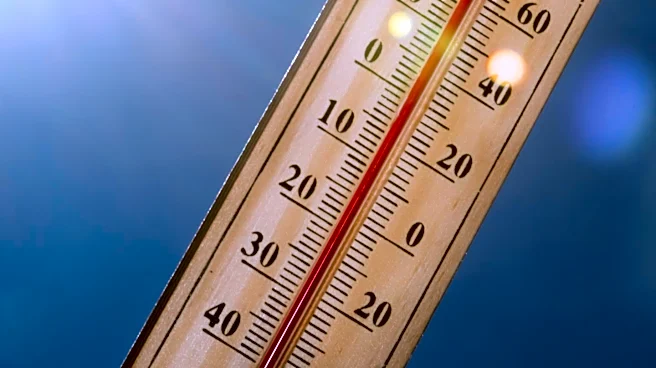
South Korea has experienced its highest recorded temperature, reaching 42.5 degrees Celsius in the southeastern city of Yangsan. This marks a significant event as the country grapples with an ongoing heatwave, with temperatures exceeding 40 degrees Celsius for
five consecutive days. The Korea Meteorological Administration (KMA) has issued emergency heatwave alerts for over 20 localities, urging residents to cease outdoor activities and seek cooler environments. The heatwave has also led to the cancellation of a professional baseball game in Changwon due to safety concerns. The KMA reports that the average number of heatwave days in South Korea has more than doubled over the past five years.
Why It's Important?
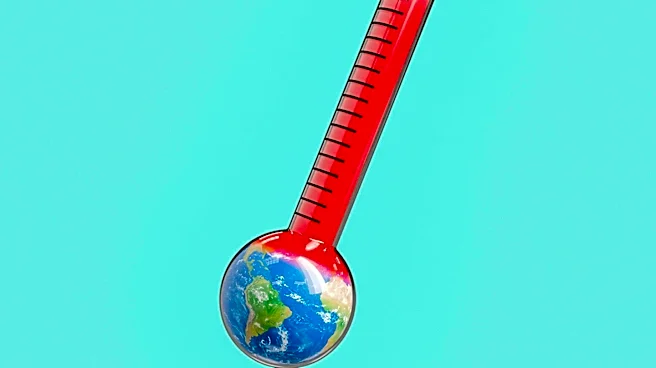
The extreme temperatures in South Korea highlight the increasing frequency and intensity of heatwaves, which scientists attribute to human-induced climate change. This situation poses significant health risks, particularly for vulnerable populations, and disrupts daily life and economic activities. The heatwave's impact on sports events, such as the cancellation of baseball games, underscores the broader societal disruptions caused by extreme weather. Additionally, the return of the El Nino phenomenon, which contributes to warming Pacific Ocean temperatures, may exacerbate these conditions, indicating a need for enhanced climate adaptation and mitigation strategies.
What's Next?
As South Korea continues to face extreme heat, authorities may need to implement more robust measures to protect public health and safety. This could include expanding cooling centers, improving public awareness campaigns, and enhancing infrastructure to withstand high temperatures. The ongoing situation may also prompt further discussions on climate policy and the need for international cooperation to address the root causes of climate change. Monitoring the development of the El Nino phenomenon will be crucial in predicting future weather patterns and preparing for potential impacts.