




What's Happening?
Human Rights Watch has reported on the prosecution of Lida Moniava, a prominent children's palliative care advocate in Russia. Moniava was detained in Moscow and charged with disseminating 'knowingly false information' about the Russian army. This action
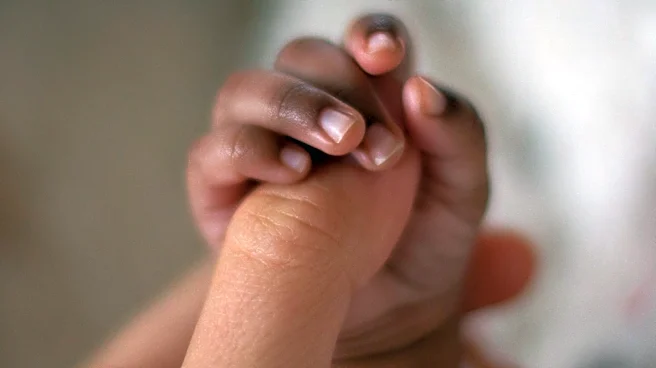
is seen as retaliation for her public stance against Russia’s war in Ukraine. The charges stem from a Telegram post she published on February 24, 2023, commemorating the first anniversary of Russia’s full-scale invasion and lamenting the deaths of thousands of 'innocent people' due to her country's actions. If convicted, Moniava faces a potential prison sentence of up to 10 years. Despite the severity of the charges, she was released from custody pending trial following public outcry, though she is subject to a ban on internet use and a curfew. Moniava has been running 'Home With a Lighthouse' for nearly two decades, providing compassionate care to children with terminal illnesses and disabilities.
Why It's Important?
This case highlights the escalating crackdown on dissent and civil society in Russia, particularly concerning individuals who speak out against the war in Ukraine. The prosecution of a humanitarian figure like Moniava, who has dedicated her life to caring for vulnerable children, sends a chilling message to other activists and non-governmental organizations within Russia. It underscores the Russian authorities' willingness to use legal mechanisms, such as laws against 'discrediting' the army, to silence critical voices. The potential imprisonment of Moniava could severely impact the palliative care services she provides, leaving thousands of children and families without crucial support. This situation also draws international attention to the erosion of human rights and freedom of expression in Russia, prompting concerns from global human rights organizations about the state of civil liberties in the country.
What's Next?
The politically motivated criminal case against Lida Moniava is ongoing, and she awaits trial. Human Rights Watch has urged Russian authorities to immediately drop the charges, allowing her to continue her vital charitable work and express her views on the war. The international community, including human rights organizations and foreign governments, will likely continue to monitor the case closely and may exert pressure on Russia to uphold human rights and due process. The outcome of Moniava's trial could set a precedent for how other activists and critics of the government are treated in Russia. Her supporters will likely continue to advocate for her release and the cessation of what they view as an unjust prosecution, while the Russian authorities will proceed with their legal process, potentially leading to a conviction or, less likely, an acquittal.
Beyond the Headlines
Moniava's case transcends a simple legal dispute; it represents a broader struggle for humanitarian values and freedom of conscience in a restrictive political environment. Her decision to remain in Russia and continue her work, despite the risks, highlights the profound moral dilemmas faced by individuals committed to human rights and social welfare amidst state repression. The authorities' targeting of a palliative care advocate, a role typically seen as apolitical and universally beneficial, suggests a deep-seated intolerance for any form of independent thought or action that deviates from the official narrative. This situation could further isolate Russia on the international stage and deepen the divide between the government and its civil society, potentially leading to a greater exodus of humanitarian workers and a decline in essential social services.