
What's Happening?
Processed bouillon products, commonly used for flavoring meals, contain high levels of sodium that can lead to significant health risks, according to the Federal Consumer Protection Agency (Profeco) in its
November 2026 Consumer Magazine. These products, available in cubes or powder, often include iodized salt, natural and artificial flavorings, vegetable fats, sugar, cornstarch, and monosodium glutamate. The World Health Organization (WHO) states that excessive sodium intake can elevate blood pressure and increase the risk of cardiovascular and kidney diseases. Profeco notes that many of these products carry an 'EXCESS SODIUM' warning label. The NMX-F-603-NORMEX-2003 standard, which sets quality parameters for these products, indicates maximum sodium chloride percentages ranging from 50% to 60% depending on the bouillon type (chicken, beef, shrimp, or other varieties). The WHO recommends that adults consume less than 2,000 milligrams of sodium per day, equivalent to less than five grams of salt, to avoid health complications.
Why It's Important?
The widespread use of processed bouillon products in U.S. households contributes significantly to daily sodium intake, potentially exacerbating public health issues related to hypertension and cardiovascular disease. Many consumers, seeking convenience and flavor enhancement, may be unaware of the high sodium content in these seemingly harmless seasonings. This issue is particularly critical given the prevalence of cardiovascular diseases in the U.S. and the associated healthcare costs. The reliance on processed foods, including bouillons, can undermine efforts to promote healthier eating habits and reduce sodium consumption, which is a key recommendation from health organizations. The economic impact extends to healthcare systems burdened by chronic diseases linked to high sodium diets, and to food manufacturers who may face increased scrutiny and pressure to reformulate products or provide clearer labeling. Consumers, especially those with pre-existing health conditions, stand to lose the most from continued high sodium intake, while companies offering low-sodium or natural alternatives could see increased demand.
What's Next?
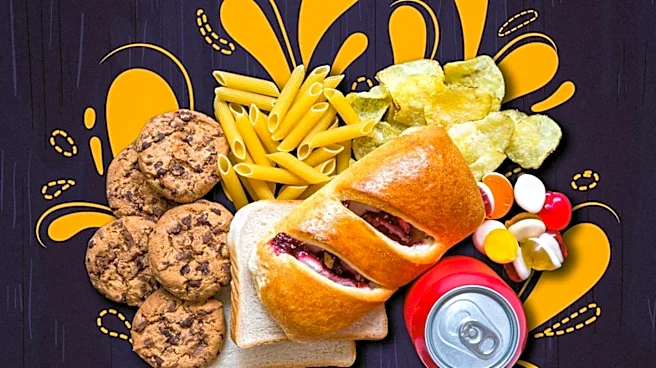
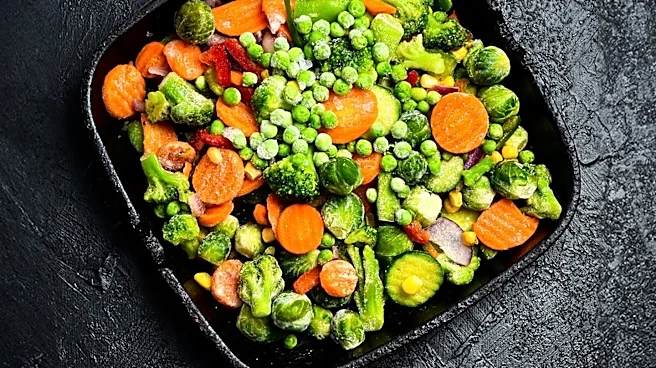
In response to these warnings, consumers are advised to moderate their intake of processed bouillons and opt for homemade alternatives using fresh ingredients, herbs, and spices to control sodium levels. Profeco and WHO recommend choosing fresh, minimally processed foods, removing salt shakers from dining tables, and cooking with little or no added salt. The WHO also suggests replacing regular table salt with reduced-sodium salts containing potassium, ensuring all salt consumed is iodized. Food manufacturers may face increasing pressure to reduce sodium content in their products and to provide more transparent nutritional information. Public health campaigns could intensify efforts to educate consumers about hidden sodium in processed foods and promote healthier cooking practices. This could lead to a shift in consumer preferences towards lower-sodium options and a greater demand for natural, unprocessed food ingredients.
Beyond the Headlines
The issue of high sodium in processed bouillons highlights a broader challenge within the U.S. food industry: the balance between convenience, flavor, and public health. The reliance on such products reflects modern dietary patterns where time constraints often lead to choices that prioritize ease of preparation over nutritional value. This situation raises ethical questions for food manufacturers regarding their responsibility to public health versus profit motives. Legally, the presence of 'EXCESS SODIUM' warning labels, as noted by Profeco, indicates a recognition of the problem, but the effectiveness of such labels in changing consumer behavior remains a point of discussion. Culturally, the shift away from traditional cooking methods that emphasize fresh ingredients towards processed alternatives has long-term implications for culinary heritage and community health. Addressing this requires not only consumer education but also systemic changes in food production and marketing to make healthier options more accessible and appealing.