




What's Happening?
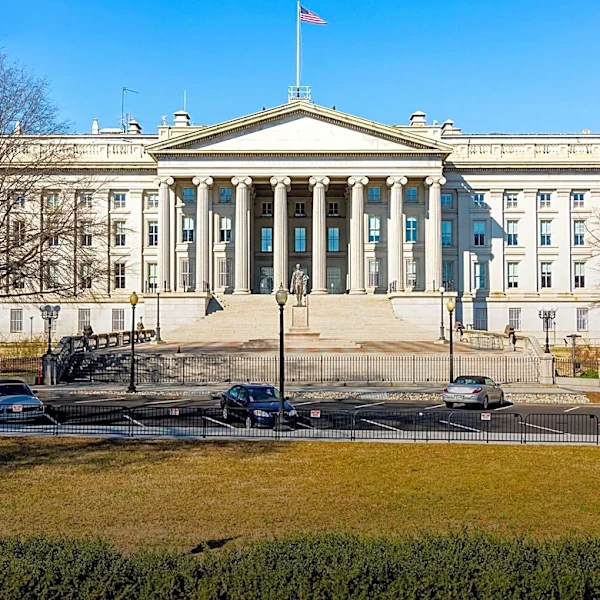
The United States Department of State has published its Integrated Country Strategy for Myanmar, approved on August 31, 2026, and released on October 16, 2026. This strategy outlines Washington's objective to support a ceasefire in Myanmar that could
lead to a lasting peace agreement by 2030. Beyond peace initiatives, the strategy also includes significant economic and commercial priorities. These aim to enhance the domestic operating environment for American businesses, increase U.S. exports to Myanmar, and secure at least three major commercial or investment agreements, each valued over US$5 million. The strategy seeks to address a notable trade imbalance, where U.S. exports to Myanmar were approximately US$78.7 million in 2025, compared to US$762.3 million in imports from Myanmar. Additionally, the strategy identifies Myanmar's rare-earth resources and cooperation against online scam centers as areas of interest for the U.S. This comprehensive approach connects diplomatic engagement, security considerations, and economic interests, reflecting a multi-dimensional foreign policy. For Myanmar, this strategy signals potential areas of cooperation, though its implementation will depend on ongoing dialogue and practical conditions within the country.
Why It's Important?
This U.S. strategy is significant as it explicitly links peace and stability in Myanmar with economic opportunities and U.S. commercial interests. By aiming to improve the operating environment for American businesses and increase exports, the U.S. seeks to expand its economic footprint in a strategically important Southeast Asian nation. The focus on securing major commercial agreements and accessing rare-earth resources highlights the U.S.'s intent to diversify supply chains and secure critical minerals, which are vital for various advanced technologies. Addressing the trade deficit also indicates a broader U.S. goal of fostering more balanced economic relationships. For Myanmar, engaging with this strategy could potentially bring foreign direct investment, technology transfer, and job creation, particularly in sectors like manufacturing, agriculture, and infrastructure. However, the success of these economic objectives is heavily reliant on achieving political stability and improving security conditions, which are primary challenges for attracting sustainable foreign investment. The strategy also underscores the growing importance of Myanmar's natural resources on the global stage.
What's Next?
The implementation of the U.S. strategy will likely involve continued diplomatic engagement between the United States and Myanmar, focusing on facilitating peace talks and fostering a more stable political environment. For American businesses, there will be increased encouragement and potential support to explore investment and trade opportunities in Myanmar, particularly in the identified priority sectors. Myanmar, in turn, will need to assess how these proposed areas of cooperation align with its national priorities, sovereignty, and existing laws. The strategy's success will also depend on Myanmar's ability to address internal challenges such as security uncertainties, infrastructure limitations, and administrative procedures that currently hinder foreign investment. Future developments may include multi-stakeholder forums to discuss fiscal federalism and territorial demarcation, as outlined in the strategy, which could further shape the political and economic landscape of Myanmar. The U.S. will likely monitor progress on peace initiatives as a prerequisite for deeper economic engagement.
Beyond the Headlines
The U.S. strategy for Myanmar extends beyond immediate economic gains, touching upon deeper geopolitical and ethical considerations. The emphasis on rare-earth resources highlights the global competition for critical minerals essential for green energy and high-tech industries, positioning Myanmar as a key player in future supply chains. This also raises questions about responsible extraction practices, environmental protection, and equitable benefit-sharing, ensuring that resource development contributes to Myanmar's long-term welfare rather than solely export earnings. Furthermore, linking economic engagement to peace initiatives suggests a broader U.S. foreign policy approach where economic incentives are used as leverage for political stability and human rights. The strategy's focus on combating online scam centers also points to the growing transnational nature of cybercrime and the need for international cooperation to address such issues, which often have significant social and economic impacts. This integrated approach reflects a complex interplay of security, economic, and ethical dimensions in international relations.