





What's Happening?
Rep. Jennifer McClellan, a member of the Congressional Black Caucus, has expressed concern over a recent U.S. Supreme Court ruling related to the Voting Rights Act. The ruling has been criticized for disregarding over a century of historical context,
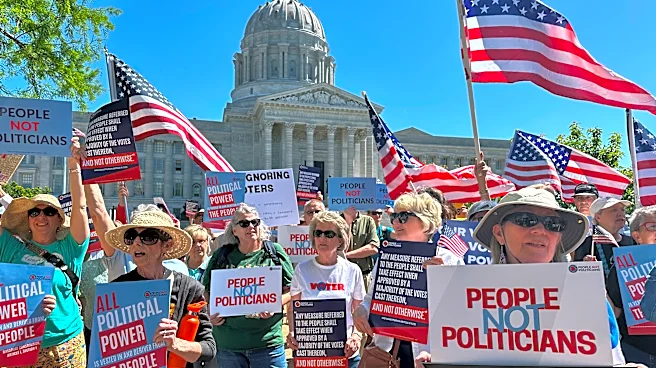
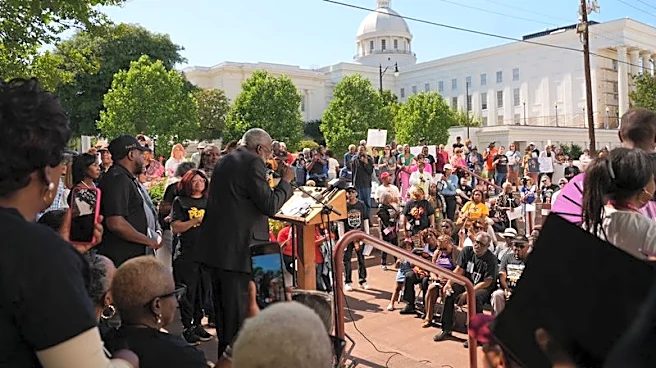
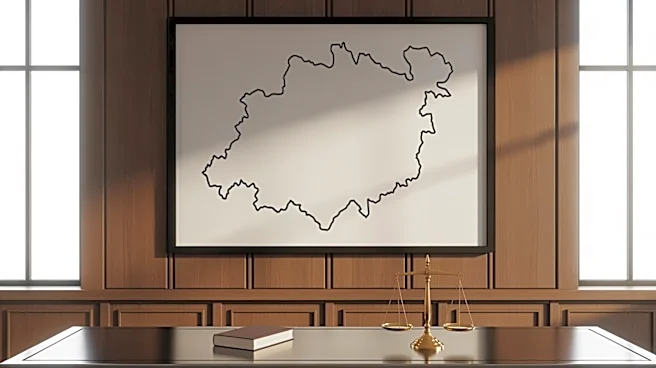
particularly as it pertains to redistricting efforts in Southern states. This development comes as Virginia Democrats are urging the Supreme Court to reinstate the state's newly redrawn congressional map. The decision has sparked a debate about the implications for voting rights and representation, especially in regions with a history of racial discrimination in voting.
Why It's Important?
The Supreme Court's decision on the Voting Rights Act is significant as it could influence the political landscape in Southern states, where redistricting has been a contentious issue. The ruling may affect the balance of power in Congress by potentially altering district boundaries that could disadvantage minority voters. This has broader implications for the Democratic Party, which relies on minority votes in these regions. The decision also raises concerns about the protection of voting rights and the potential for gerrymandering, which could undermine fair representation.
What's Next?
Virginia Democrats are expected to continue their legal battle to have the state's congressional map reinstated. This case could set a precedent for other states facing similar redistricting challenges. The outcome may prompt further legislative efforts to address voting rights at the federal level, potentially leading to new laws aimed at preventing gerrymandering and ensuring fair representation. Stakeholders, including civil rights organizations and political leaders, are likely to intensify their advocacy efforts in response to the ruling.