
What's Happening?
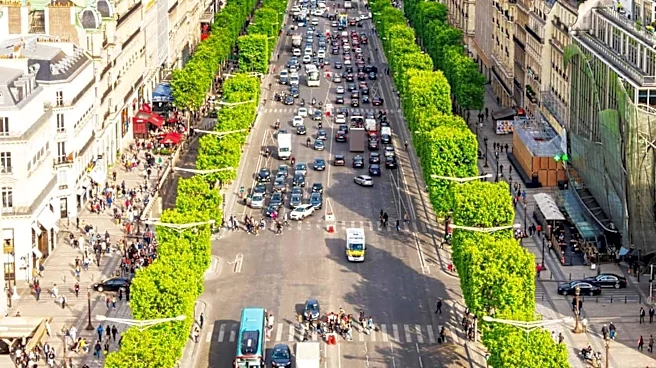
Paris is focusing on improving the visitor experience by 2030, addressing challenges posed by high tourism volumes. In 2025, the Louvre attracted 9 million visitors, and the Eiffel Tower welcomed approximately
6.74 million. The city's transport networks, operated by RATP, recorded over 3.14 billion passenger journeys in the same year. The objective is not merely to increase visitor numbers but to enhance the quality of their experience through better timed entry, clearer reservation systems, and a more even distribution of tourists across various sites. This strategy aims to alleviate congestion at major landmarks and promote smaller museums, historic neighborhoods, and cultural routes as primary attractions, thereby spreading visitor spending more equitably throughout the city. Efforts are also underway to improve airport-to-city continuity, provide real-time multilingual information, and ensure accessible transport options.
Why It's Important?
This initiative is important for Paris as it seeks to maintain its status as a premier global tourist destination while ensuring sustainability and visitor satisfaction. By proactively managing tourism flows and enhancing infrastructure, Paris can prevent overcrowding, which often detracts from the visitor experience and can strain local resources. The focus on distributing visitors more widely across the city's diverse attractions can stimulate economic growth in less-frequented areas and support a broader range of local businesses, from small shops to specialized cultural venues. For the tourism industry, this approach could set a new standard for managing high-volume destinations, emphasizing quality over sheer quantity. It also highlights the growing recognition that a seamless and enjoyable travel experience, from arrival to departure, is crucial for repeat tourism and positive word-of-mouth, which are vital for the long-term economic health of the city's tourism sector.
What's Next?
Looking ahead to 2030, Paris plans to implement several key improvements. These include refining airport processes to reduce wait times for baggage, border formalities, and transfers, ensuring real-time multilingual information is readily available to travelers, and coordinating services between transport providers, hotels, and attractions. The city also aims to make its public transport more legible and dependable for visitors, offering clear ticketing options and reliable information on routes and disruptions. Furthermore, there will be a continued push to promote a wider array of cultural sites beyond the most famous landmarks, encouraging visitors to explore different facets of Parisian life. The integration of artificial intelligence is expected to assist with translation and organization, though human judgment will remain critical for addressing unexpected issues and ensuring privacy. The ultimate goal is to create a visitor journey that feels seamless and protective of the traveler's time.
Beyond the Headlines
The strategic shift in Paris's tourism approach reflects a broader global trend among popular destinations to manage the impacts of overtourism. This move goes beyond mere logistical improvements; it touches upon the ethical responsibility of host cities to preserve their cultural heritage and quality of life for residents, while still welcoming visitors. By encouraging exploration of lesser-known areas, Paris is not only diversifying its tourism offerings but also fostering a more authentic and immersive experience for travelers. This could lead to a re-evaluation of what constitutes a 'must-see' attraction, potentially shifting focus from iconic landmarks to the everyday charm and local culture of the city. The emphasis on 'time saved, clarity gained, and memories deepened' suggests a move towards experiential tourism, where the value is placed on the quality of engagement rather than just consumption of sights. This could influence how other major cities approach their tourism development in the coming years.