



What's Happening?
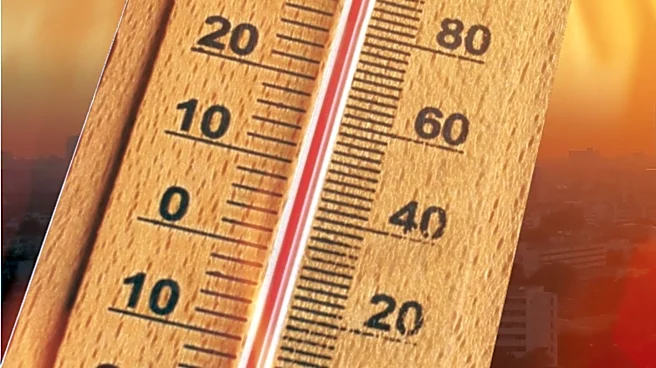
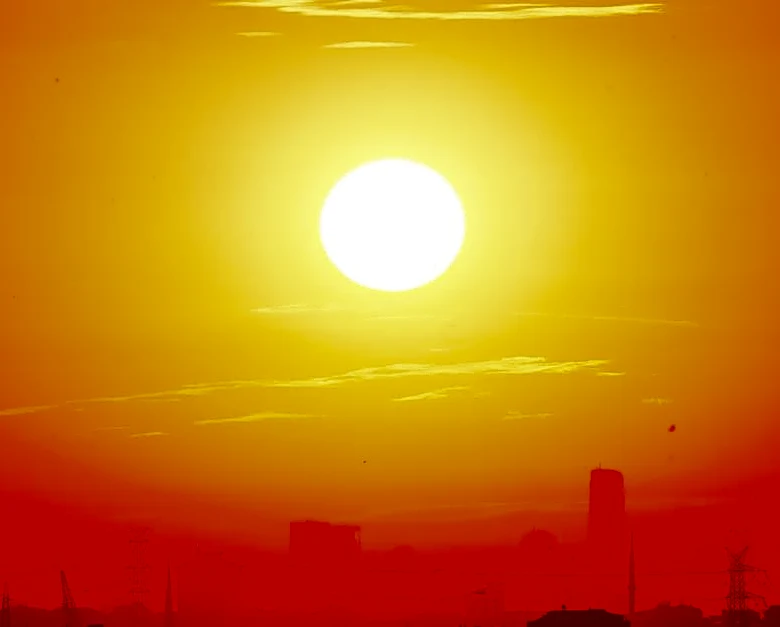
A severe heat wave is impacting a large portion of the United States, with more than 100 million people under heat alerts. Cities such as Las Vegas, Phoenix, and Rapid City are experiencing temperatures in the triple digits, with Rapid City reaching a record
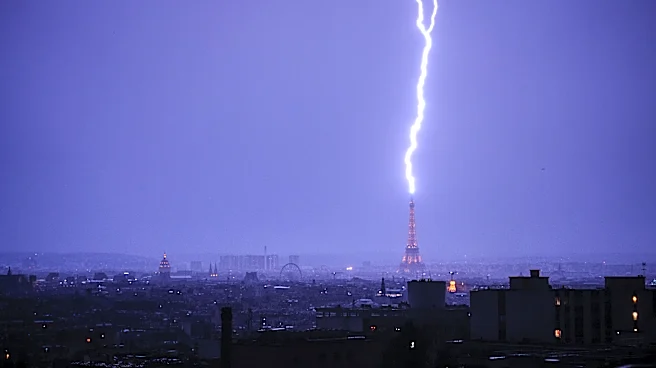
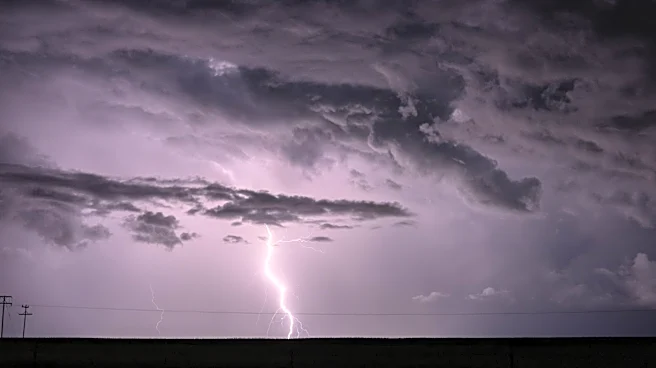
high of 112 degrees. The National Weather Service has issued extreme heat warnings across the Midwest and West, with temperatures expected to remain high. The heat is compounded by high humidity, leading to heat index values of 105 to 115 degrees in some areas. Additionally, severe thunderstorms are expected in the Upper Midwest and Great Lakes, fueled by the northern edge of the heat dome.
Why It's Important?
The extreme heat poses significant health risks, particularly for vulnerable populations such as the elderly and those with pre-existing health conditions. The heat wave also strains energy resources as demand for air conditioning increases. The agricultural sector may face challenges due to the high temperatures and potential drought conditions. The severe weather accompanying the heat wave, including thunderstorms and potential tornadoes, could lead to property damage and further strain emergency services.
What's Next?
The heat wave is expected to persist, with temperatures remaining high in the central and southern United States. A cold front may bring some relief to the Upper Midwest early in the week, but dangerous heat will continue in other regions. Authorities are likely to maintain heat alerts and encourage residents to take precautions to avoid heat-related illnesses. Emergency services and utility companies may need to prepare for increased demand and potential disruptions.