
What's Happening?
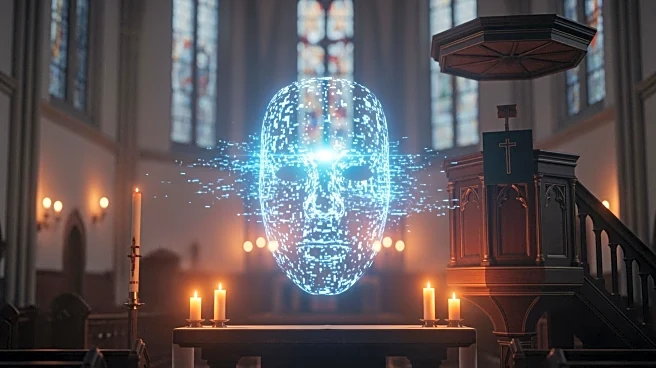
A new scam involving AI-generated deepfakes is targeting religious communities by impersonating pastors and religious leaders to solicit fraudulent donations. Notable figures like Father Mike Schmitz have
warned their followers about these scams, which use convincing deepfake videos to mimic their likeness and solicit funds. These fake accounts are prevalent on platforms like TikTok, where they appear in search results for the impersonated figures. The scam has affected religious communities globally, with reports of similar incidents in the U.S., the Philippines, and other regions. The deepfakes exploit the trust placed in religious leaders, making it difficult for followers to discern authenticity.
Why It's Important?
The use of AI deepfakes in scams represents a significant threat to both individuals and organizations, particularly those in religious communities. These scams not only result in financial losses but also erode trust in digital communications and platforms. As deepfake technology becomes more sophisticated, the potential for misuse increases, posing challenges for cybersecurity and digital trust. Religious organizations, often reliant on donations, are particularly vulnerable, and the impact of such scams can be devastating. This highlights the need for increased awareness and education on recognizing and responding to digital threats.
What's Next?
To combat the rise of deepfake scams, organizations and individuals must enhance their digital literacy and skepticism towards online communications. Religious communities may need to implement stricter verification processes for online donations and communications. Additionally, platforms like TikTok must improve their detection and removal of fraudulent accounts to protect users. As technology evolves, collaboration between tech companies, cybersecurity experts, and affected communities will be crucial in developing effective countermeasures against deepfake scams.