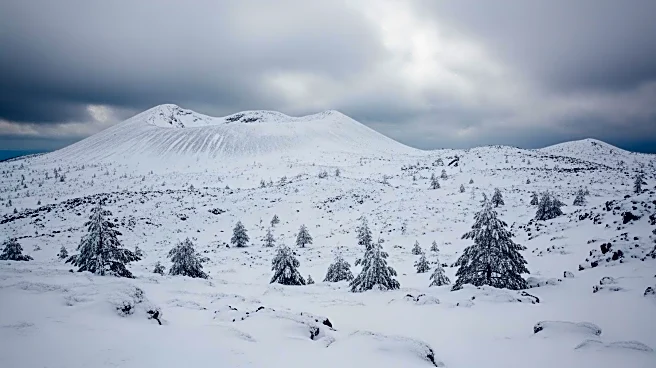

What's Happening?
The Kamchatka Peninsula in Russia has experienced one of its snowiest periods since the 1970s, with over 2 meters of snow falling in the first two weeks of January 2026, following 3.7 meters in December.
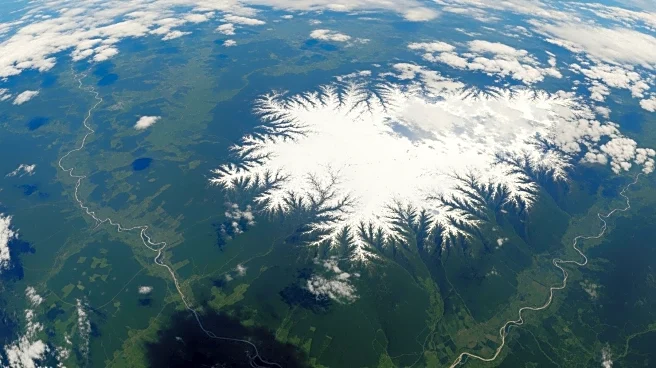
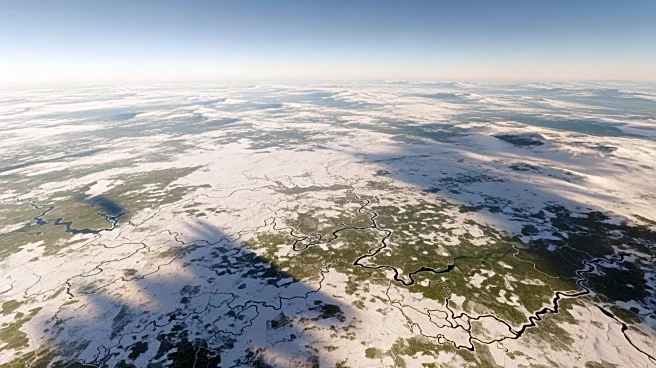
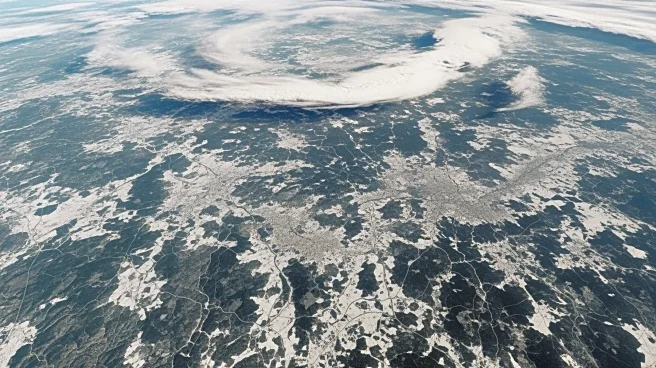
This extreme weather has been attributed to a weakened polar vortex and increased waviness in the polar jet stream, which have led to cold snaps across the Northern Hemisphere. The heavy snowfall has brought the regional capital, Petropavlovsk-Kamchatsky, to a standstill, with large snowdrifts blocking access to infrastructure and burying vehicles. The MODIS instrument on NASA’s Aqua satellite captured images of the snow-blanketed terrain, highlighting the peninsula's volcanic peaks.
Why It's Important?
The severe weather conditions on the Kamchatka Peninsula highlight the broader impacts of climate variability and the potential for extreme weather events to disrupt daily life. The heavy snowfall has significant implications for the local population, affecting transportation, access to essential services, and overall safety. This situation underscores the importance of understanding and predicting weather patterns to mitigate the effects of such events. Additionally, the disruption in Kamchatka serves as a reminder of the interconnectedness of global weather systems and the potential for localized events to have wider implications.