






What's Happening?
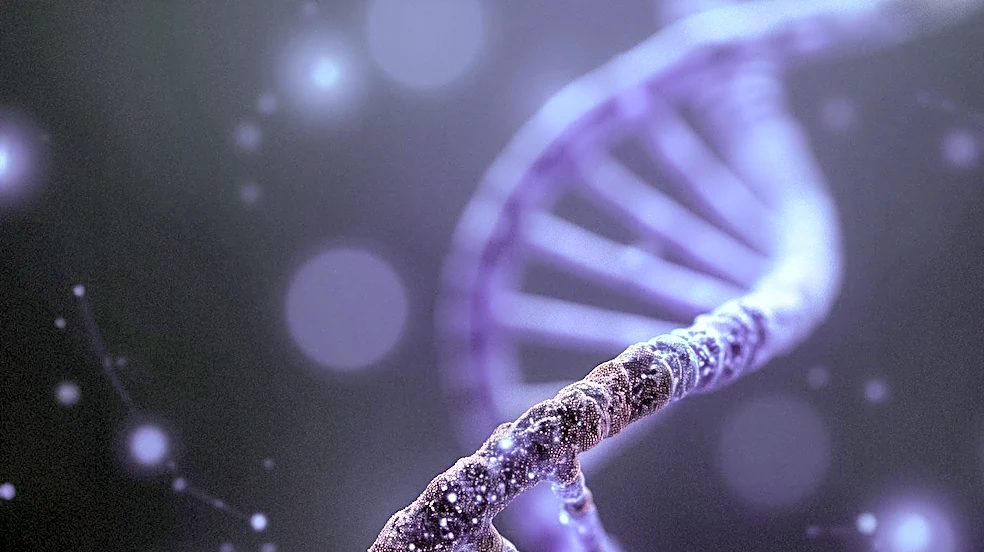
Researchers are increasingly utilizing viral sequencing data to inform epidemiological decisions, a critical component of pandemic preparedness. This approach involves studying the DNA of viruses to understand their evolution, origins, and spread patterns.
By analyzing these genetic changes and movements, scientists aim to prevent future pandemics. One specific method, bait capture, is employed to efficiently extract viral DNA from complex patient samples, which may contain human DNA, bacteria, and fungi. This technique allows researchers to focus on specific viral targets, such as influenza, respiratory syncytial virus (RSV), and SARS-CoV-2, from a panel of about 30 common respiratory viruses. The expertise gained during the COVID-19 pandemic in deploying sequencing technology and bioinformatics methods is now being re-purposed to study other circulating respiratory threats, enhancing the ability to monitor and respond to potential outbreaks.
Why It's Important?
For the U.S., this advancement in viral sequencing and epidemiological decision-making is paramount for national security and public health. The ability to rapidly identify and track viral evolution and spread can significantly improve early warning systems for potential pandemics, allowing for quicker and more targeted public health responses. This proactive approach can mitigate the economic and social disruptions experienced during past outbreaks, such as the COVID-19 pandemic, by enabling timely interventions and resource allocation. For U.S. industries, particularly pharmaceuticals and biotechnology, this means a continuous demand for advanced sequencing technologies, bioinformatics tools, and the development of new vaccines and antiviral treatments. It also highlights the importance of a skilled scientific workforce capable of analyzing complex genomic data. Ultimately, robust viral surveillance directly contributes to protecting the U.S. population from emerging infectious diseases and maintaining economic stability.
What's Next?
The continued development and integration of viral sequencing data into epidemiological decision-making will likely lead to more sophisticated and rapid response mechanisms for infectious disease outbreaks in the U.S. We can expect increased investment in genomic surveillance programs at national and state levels, potentially leading to a more comprehensive network for tracking viral threats. Research institutions and public health agencies will likely expand their capacity for bioinformatics analysis and data interpretation. Furthermore, the application of these technologies could extend beyond respiratory viruses to other pathogens, enhancing overall biodefense capabilities. There may also be a push for greater international collaboration in data sharing and standardized sequencing protocols to create a more unified global early warning system. This ongoing work will be crucial for developing targeted public health interventions, informing vaccine development, and guiding policy decisions to prevent future pandemics.
Beyond the Headlines
Beyond the immediate scientific and public health benefits, the reliance on viral sequencing data for pandemic preparedness raises deeper implications regarding data privacy, ethical considerations in surveillance, and the global equity of access to advanced scientific tools. As more genomic data is collected, questions about its storage, security, and responsible use will become increasingly prominent. There's also an ethical dimension to how this data is used to inform public health policies, particularly concerning potential restrictions on individual freedoms during outbreaks. Globally, ensuring that all nations have the capacity and resources to conduct viral sequencing and contribute to a collective understanding of pathogen evolution is crucial to prevent disparities in preparedness. This highlights the need for international cooperation and capacity building to ensure that the benefits of these scientific advancements are shared equitably, fostering a more secure and resilient global community against future health threats.