


What's Happening?
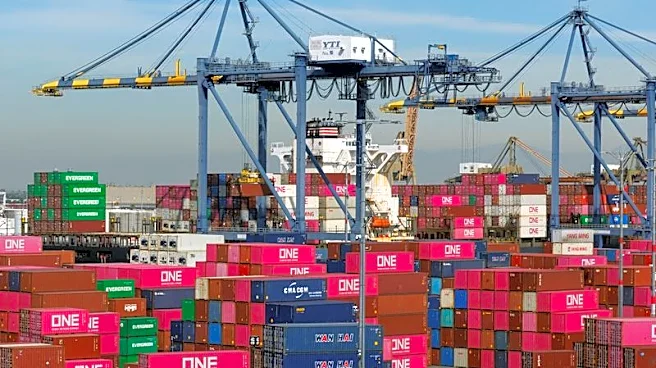
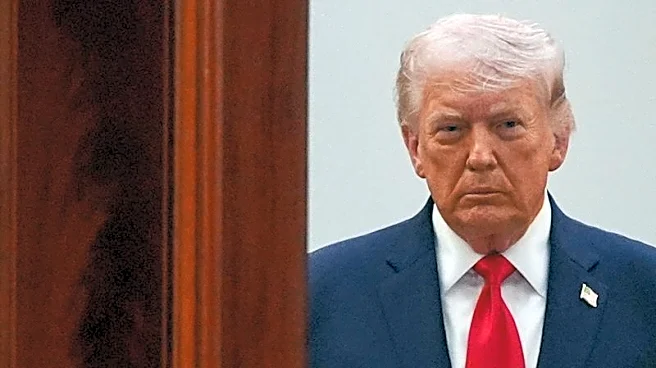
One year after President Trump declared 'liberation day' by imposing tariffs on numerous countries, experts are assessing the impact of these trade policies. The tariffs, which were intended to boost U.S. manufacturing and reduce the trade deficit, have
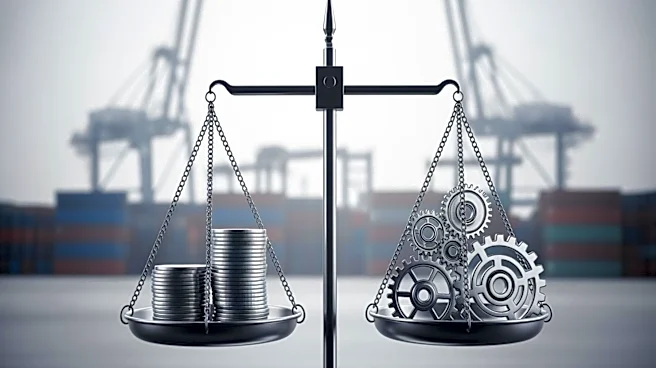
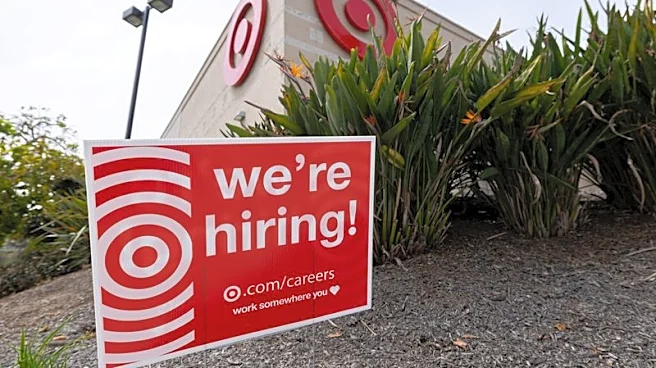
led to mixed results. While the U.S. economy remains the largest globally, the tariffs have not achieved their intended goals. The manufacturing sector has shed jobs, and the trade deficit has reached an all-time high. Critics argue that the tariffs have discouraged investment in the U.S. and have not revitalized the manufacturing sector as promised. The policies have also led to a decline in consumer confidence and have prompted investors to seek opportunities outside the U.S.
Why It's Important?
The evaluation of President Trump's tariff policies is crucial as it highlights the challenges and consequences of protectionist trade measures. The tariffs have not only failed to achieve their economic objectives but have also strained international relations and affected global trade dynamics. The decline in manufacturing jobs and the increase in the trade deficit underscore the limitations of using tariffs as a tool for economic growth. These developments have significant implications for U.S. economic policy and international trade relations. The ongoing reassessment of these policies by investors and policymakers will shape future trade strategies and economic decisions.
What's Next?
Moving forward, there is a need for a reevaluation of trade policies to address the shortcomings of the current approach. Policymakers may consider alternative strategies to support the manufacturing sector and reduce the trade deficit. The focus may shift towards fostering innovation, enhancing competitiveness, and strengthening international partnerships. Additionally, the U.S. government may need to address concerns about political interference in economic institutions to restore investor confidence. The outcome of these policy adjustments will be closely watched by stakeholders, as they will have far-reaching implications for the U.S. economy and its position in the global market.