




What's Happening?
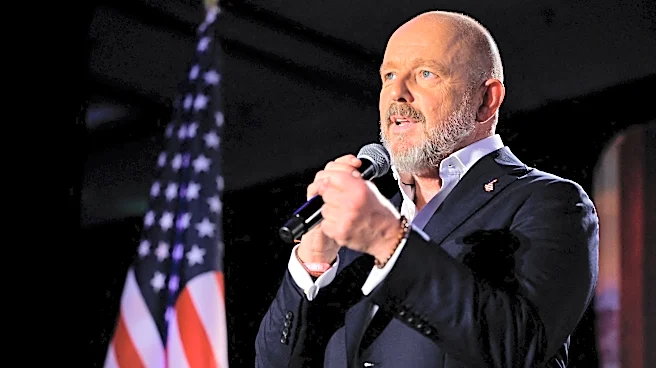
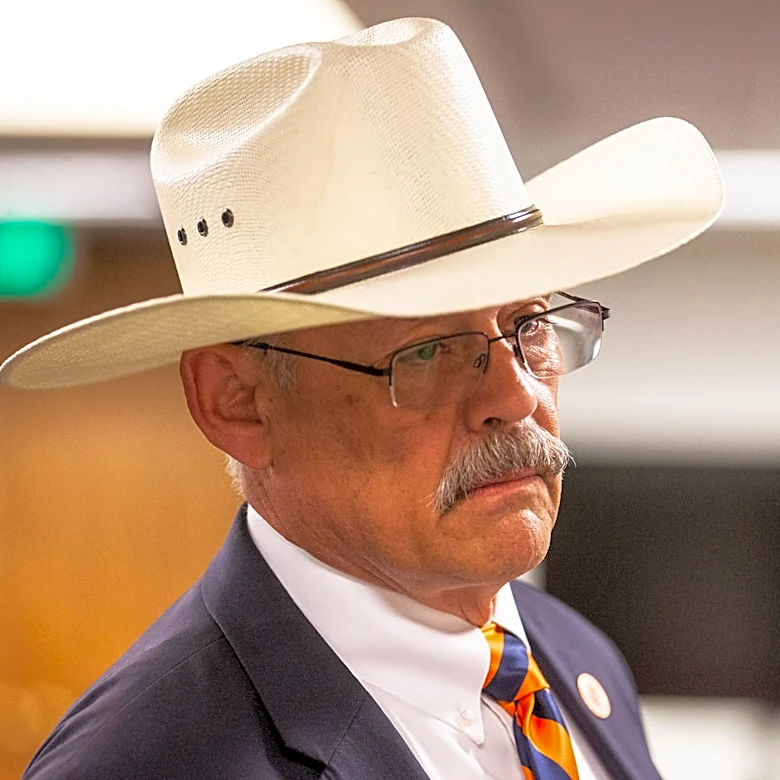
Steve Hilton, a Republican candidate for California's gubernatorial race, has announced a proposal to abolish the state's Department of Motor Vehicles (DMV) if elected. Hilton, who has been campaigning in San Diego and West Hollywood, characterized the DMV as a 'bureaucratic,
bloated, and nanny-state agency.' His plan involves decentralizing routine services such as vehicle titles, registrations, plates, and renewals, moving them to local offices, certified service centers, or making them available online. Additionally, Hilton proposes limiting the annual vehicle registration fee to a fixed rate of $73 per vehicle. This would be achieved by eliminating additional charges for transportation, value-based vehicle taxes, and other fees currently paid by drivers. According to his campaign, this change would significantly reduce state revenue from vehicle registrations, from approximately $11 billion to $2.7 billion. Hilton argues that Californians are overcharged for vehicle registration, receiving poor road conditions in return, and that the current system is among the most expensive in the nation.
Why It's Important?
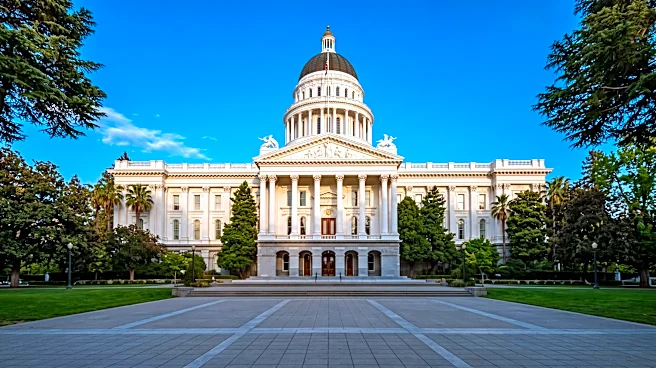
Hilton's proposal carries significant implications for California's state government, its residents, and the broader economy. Abolishing the DMV as an independent department would represent a major restructuring of state bureaucracy, potentially streamlining vehicle-related services and reducing administrative overhead. For California drivers, the proposed cap on annual registration fees to $73 would lead to substantial cost savings, as the current average cost is around $296, with some drivers paying hundreds more due to various additional charges. This could alleviate financial burdens for vehicle owners, particularly those in lower-income brackets. However, the projected reduction of state revenue by over $8 billion from vehicle registrations would necessitate significant adjustments to California's budget. These funds currently support transportation infrastructure and other state programs, and their loss would require either new revenue streams, cuts to existing services, or a re-evaluation of state spending priorities. The plan also challenges the existing model of state-provided services, advocating for a more localized and online approach, which could set a precedent for other state agencies.
What's Next?
If Steve Hilton is elected governor, the implementation of his proposal to abolish the DMV and cap vehicle registration fees would likely involve a complex legislative process. The first step would be to introduce and pass legislation to dismantle the existing DMV structure and establish the new decentralized system. This would require significant political will and negotiation within the state legislature, as such a drastic change would face opposition from various stakeholders, including current DMV employees, unions, and those who benefit from the existing revenue streams. The transition of services to local offices, certified centers, and online platforms would also require careful planning and execution to ensure a smooth and efficient process for Californians. Furthermore, the state would need to address the substantial revenue shortfall resulting from the reduced registration fees, potentially through budget reallocations, identifying alternative funding sources for transportation projects, or implementing other fiscal reforms. Public reaction to these changes, both positive from those benefiting from lower fees and potentially negative from those affected by service disruptions or budget cuts, would also play a crucial role in the ongoing implementation and public acceptance of the reforms.
Beyond the Headlines
Hilton's proposal extends beyond mere administrative reform; it taps into a broader sentiment of public frustration with government bureaucracy and the high cost of living in California. By targeting the DMV, an agency often associated with long wait times and complex procedures, Hilton is addressing a tangible pain point for many residents. The plan to repurpose unused DMV properties for community uses, such as after-school programs and job training centers, suggests a vision for more efficient use of public assets and a direct benefit to local communities. This approach could foster a sense of local empowerment and community engagement, shifting resources from state-level administration to local initiatives. The emphasis on transparency in campaign spending and lobbying influence, advocating for lawmakers to recuse themselves from legislation related to big-dollar donors, also highlights a deeper concern about political accountability and the influence of special interests. This aspect of his platform aims to restore public trust in government by making political processes more open and less susceptible to undue influence, potentially leading to a more equitable and responsive political landscape in California.