





What's Happening?
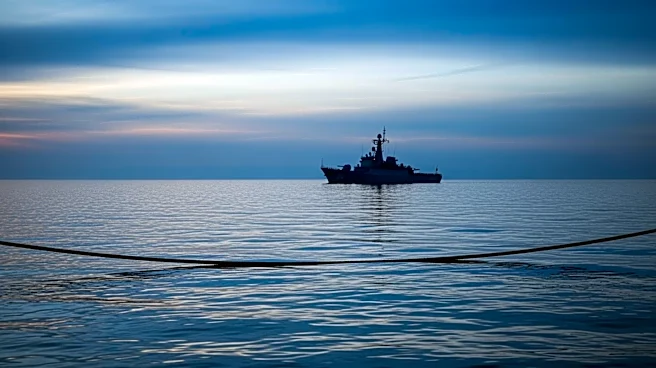
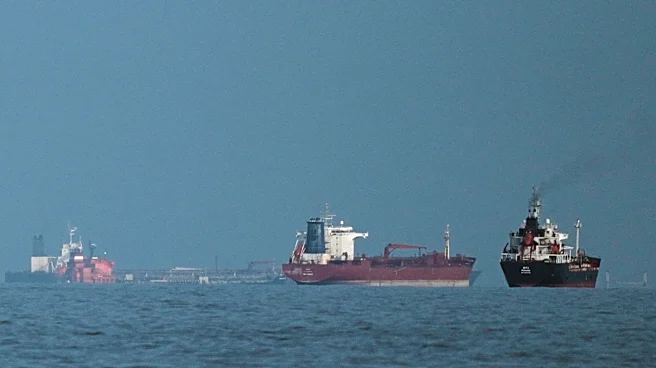
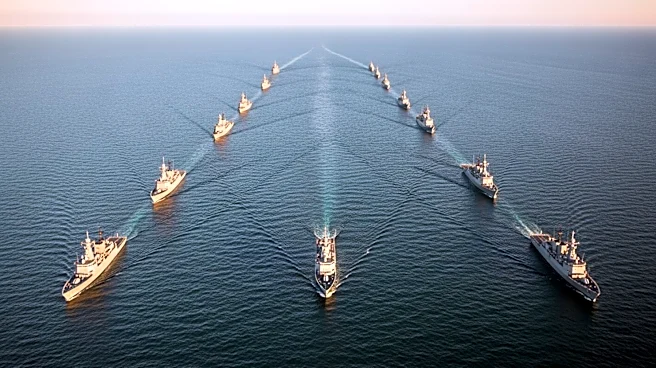
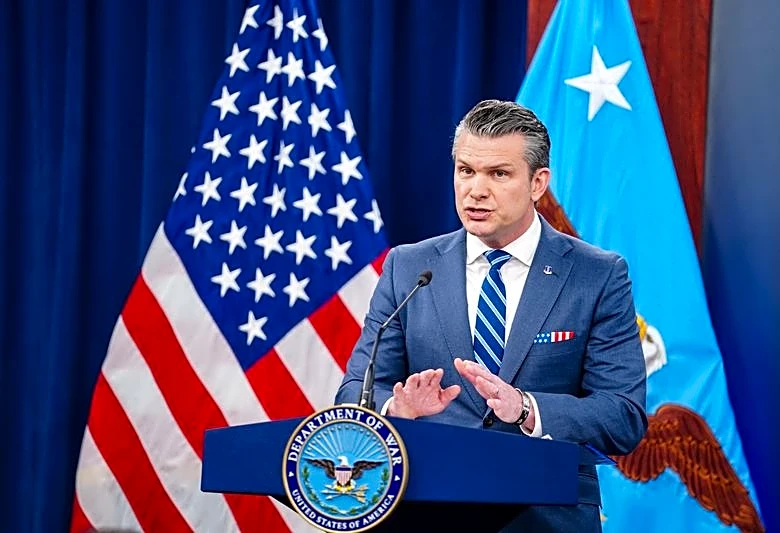
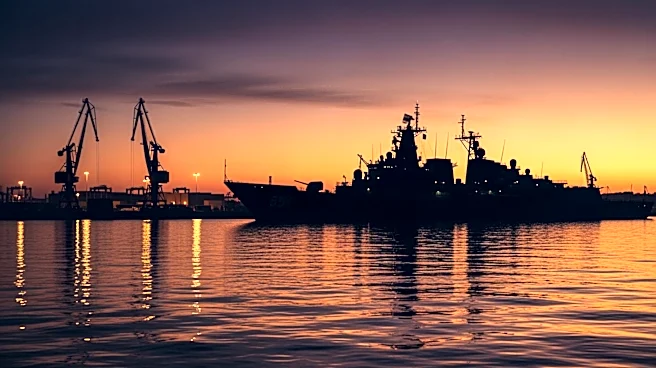
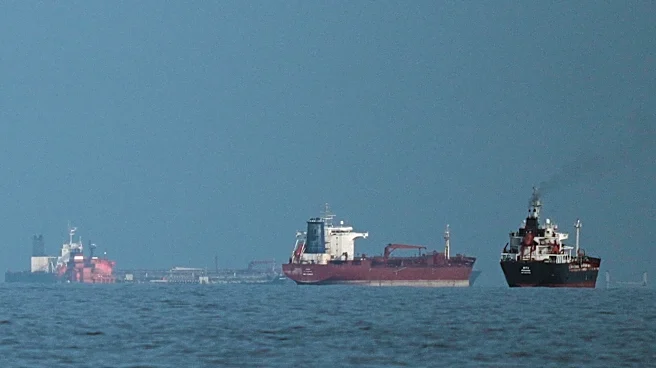
The United States military has asserted that its blockade of Iranian ports has effectively stopped all economic trade by sea to and from Iran since its implementation on April 13. This claim is being scrutinized by Ben Chu from BBC Verify, who is examining
ship tracking data to determine the accuracy of the military's statement. The blockade is part of a broader strategy to exert economic pressure on Iran, aiming to curb its regional influence and nuclear ambitions. The effectiveness of the blockade is under review, with ship tracking data being a critical tool in assessing whether the blockade has indeed halted maritime trade as claimed.
Why It's Important?
The blockade's impact on Iran's economy could be significant, potentially exacerbating existing economic challenges and increasing tensions in the region. For the U.S., the blockade represents a strategic move to apply pressure on Iran without direct military confrontation. If successful, it could weaken Iran's economic capabilities and influence, aligning with U.S. foreign policy objectives. However, the blockade also risks escalating tensions with Iran and affecting global oil markets, given Iran's role as a major oil producer. The situation could lead to broader geopolitical implications, influencing U.S. relations with allies and adversaries in the region.
What's Next?
The ongoing analysis of ship tracking data will be crucial in verifying the U.S. military's claims about the blockade's effectiveness. Depending on the findings, the U.S. may adjust its strategy, either tightening the blockade or exploring diplomatic avenues to address the situation. Iran's response will also be pivotal, as it may seek to circumvent the blockade through alternative trade routes or engage in diplomatic negotiations. The international community, particularly countries reliant on Iranian oil, will be closely monitoring developments, which could influence global economic and political dynamics.