





What's Happening?
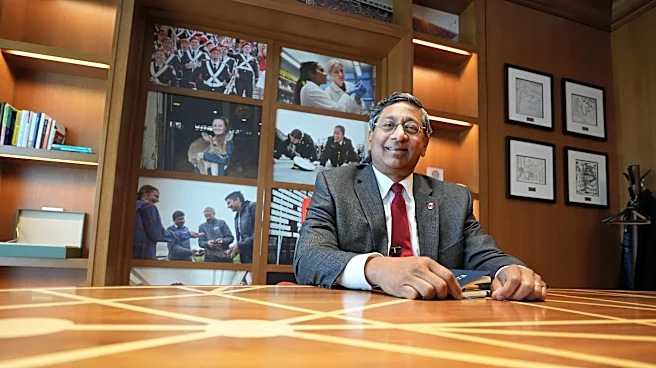
Dr. Douglas Scharre, a neurologist at the Ohio State College of Medicine, asserts that social interaction is the most effective method for stimulating the brain and building cognitive reserve, which protects against Alzheimer's and other forms of dementia.
While activities like reading, sudoku, and art are beneficial, Scharre highlights that socialization engages multiple brain functions simultaneously. When conversing, individuals process facial expressions, analyze reactions, listen, and recall memories to tell stories, all of which require rapid brain activity and judgment. This continuous engagement helps establish and maintain neural connections, preventing them from being pruned away due to disuse. A recent Ohio State University survey indicates that 60% of Americans want to prioritize brain health earlier but are unsure how to do so.
Why It's Important?
This perspective challenges conventional notions of brain stimulation, often focused on solitary cognitive tasks. By emphasizing socialization, Dr. Scharre underscores the multifaceted nature of human interaction as a powerful cognitive workout. This is particularly important for an aging population, as maintaining social connections can be a more accessible and enjoyable way to preserve brain health compared to more structured cognitive exercises. The concept of cognitive reserve suggests that a robust network of healthy brain cells and connections can delay the onset of memory issues, even in the presence of neuropathology. Promoting social engagement as a primary brain health strategy could lead to public health initiatives that encourage community involvement and interpersonal activities, potentially reducing the burden of dementia on individuals and healthcare systems.
What's Next?
Dr. Scharre's recommendations extend beyond socialization to include quality sleep, managing metabolic health (blood pressure, diabetes, cholesterol), stress and depression, a healthy diet (like the Mediterranean diet), and regular physical exercise. These holistic approaches suggest a future where brain health is addressed through comprehensive lifestyle interventions rather than isolated activities. Public health campaigns may increasingly incorporate advice on fostering social connections as a key component of brain wellness. Further research could explore the specific types and frequencies of social interactions that yield the greatest cognitive benefits, potentially leading to tailored recommendations for different age groups and risk profiles. The emphasis on early intervention, starting in middle age or younger, suggests a shift towards proactive brain health management.
Beyond the Headlines
The neurologist's emphasis on socialization touches upon deeper societal implications regarding community, isolation, and mental well-being. In an increasingly digital world, where virtual interactions often replace in-person ones, this advice serves as a reminder of the irreplaceable value of direct human connection for cognitive health. It highlights the potential negative impact of social isolation, which is a growing concern, especially among older adults. This perspective could influence urban planning, community development, and healthcare policies to create environments that foster social engagement. Ethically, it underscores the responsibility of individuals and communities to support social networks, recognizing their profound impact not just on emotional well-being but also on fundamental brain function and resilience against neurodegenerative diseases.