
What's Happening?
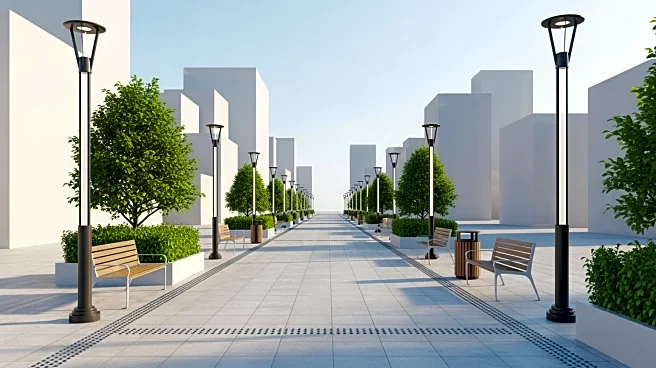
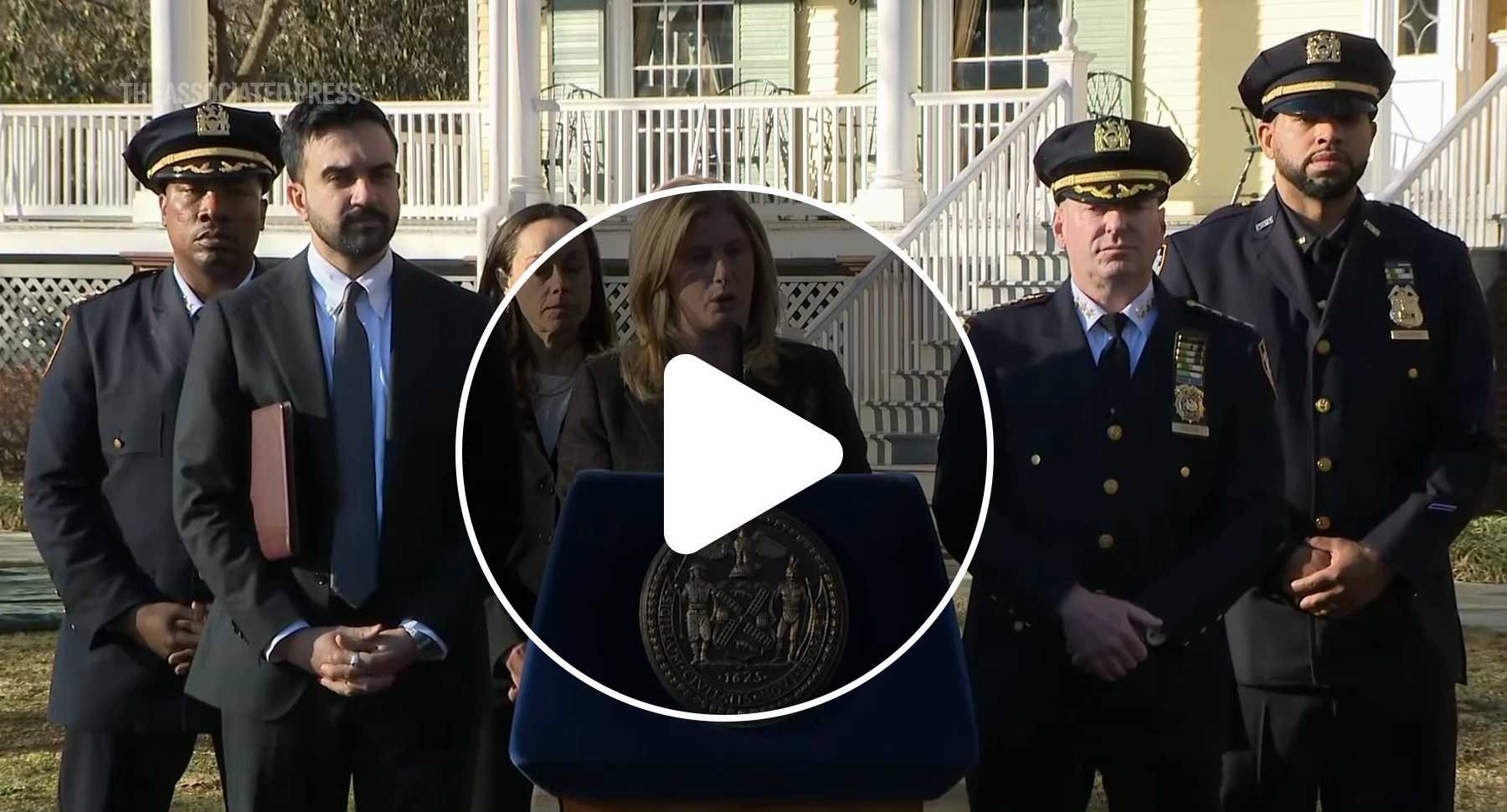
The New York City Department of Transportation (DOT) is advancing plans to redesign 14th Street in Manhattan, aiming to enhance pedestrian spaces and improve safety. This initiative follows the success of the 14th Street busway, which has significantly
reduced traffic congestion and increased bus speeds since its implementation in 2019. The redesign will include upgraded pedestrian spaces, parks, plazas, and safety enhancements. The DOT is conducting a $3 million, two-year study to develop these improvements, which were first introduced by former Mayor Eric Adams. The project will also add bike lanes and upgrade bus stops along the thoroughfare. The DOT plans to collaborate with the city's Economic Development Corporation, the Union Square Partnership, and the Meatpacking District Management Association to implement these changes.
Why It's Important?
The redesign of 14th Street is significant as it aims to create a more pedestrian-friendly environment in one of Manhattan's busiest corridors. By expanding pedestrian spaces and improving safety, the project seeks to enhance the quality of life for residents and commuters. The initiative also reflects a broader trend in urban planning towards prioritizing pedestrian and public transit infrastructure over car traffic. This could lead to increased foot traffic and economic activity in the area, benefiting local businesses. Additionally, the project serves as a model for similar transit improvements across New York City, potentially influencing future urban development projects.
What's Next?
The DOT plans to host a series of public workshops to gather feedback on the redesign, with the first workshop scheduled for March 25 at the Pratt Institute. The department is also inviting New Yorkers to participate in an online survey about their experiences on 14th Street, open until April 10. The city aims to accelerate the redesign process, with capital projects expected to be developed by the end of the two-year study. Funding for the project has been secured, including $9 million from the City Council and $500,000 from the Manhattan borough president's office.