



What's Happening?
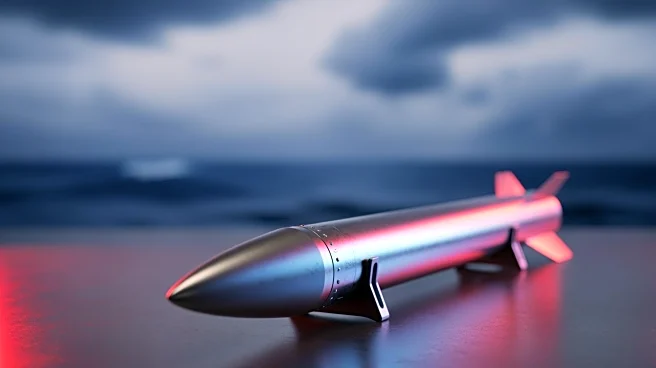
The Trump administration has announced a massive arms sales package to Taiwan, valued at over $10 billion, which includes medium-range missiles, howitzers, and drones. This announcement has drawn a strong reaction from China, which views Taiwan as a part
of its territory. The State Department emphasized that the sales are in the U.S.'s national, economic, and security interests, supporting Taiwan's military modernization and defensive capabilities. This package, if approved by Congress, would be the largest U.S. arms sale to Taiwan, surpassing previous sales under the Biden administration.
Why It's Important?
The arms sale is a critical component of U.S. foreign policy in the Asia-Pacific region, aimed at countering China's military expansion and supporting Taiwan's self-defense. This move is likely to heighten tensions between the U.S. and China, as it challenges China's claims over Taiwan and its regional ambitions. The sale also reflects the U.S.'s strategic interest in maintaining a balance of power in the region and supporting allies against potential threats. The decision underscores the U.S.'s commitment to Taiwan's security, which is a key factor in regional stability.
What's Next?
The arms sale will need Congressional approval, which is anticipated given the current geopolitical dynamics. Taiwan has welcomed the U.S. support, viewing it as crucial for its defense strategy. China's response is expected to include diplomatic protests and possibly military or economic countermeasures. The situation will require careful management to prevent further escalation, particularly in the Taiwan Strait, a vital area for regional security. The U.S. and its allies will need to navigate these tensions to maintain peace and stability in the region.