




What's Happening?
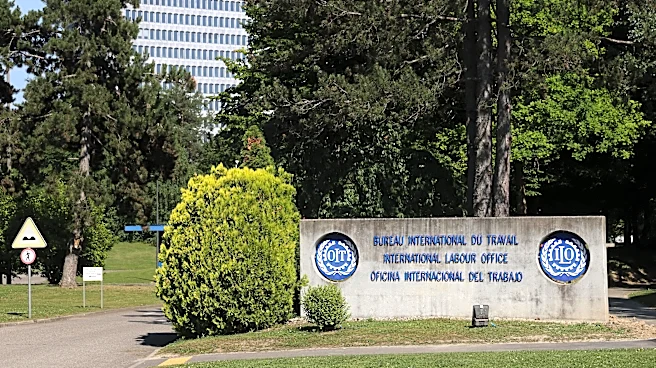
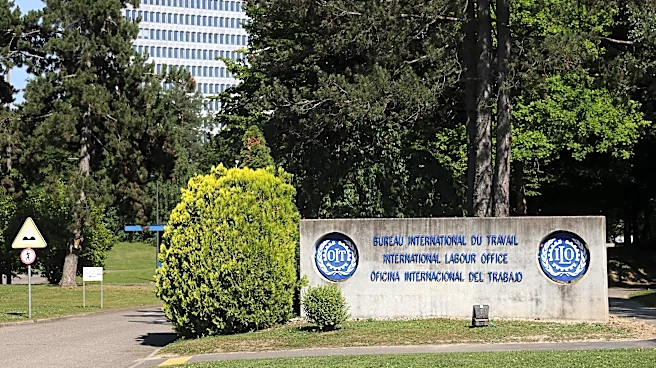
The Governing Body of the International Labour Organization (ILO) is scheduled to elect its next Director-General on Monday, November 16, 2026. This election will take place during the 358th Session of the Governing Body, which is being held in Geneva
from November 9 to November 19. The Director-General is chosen by the Governing Body, which serves as the ILO's executive body and comprises representatives from governments, employers, and workers. The election process will involve a secret ballot, commencing at 10:00 Central European Time (09:00 GMT). Following the announcement of the vote's outcome, the Director-General-elect is expected to deliver a statement, which will be broadcast live on ILO Live. The individual elected to this position will serve a five-year term, with their tenure officially beginning on October 1, 2027. This election is a significant event for the ILO, as the Director-General plays a crucial role in guiding the organization's mission to promote social justice and internationally recognized human and labor rights globally.
Why It's Important?
The election of the new Director-General for the International Labour Organization holds significant importance for global labor standards and social justice initiatives. The Director-General leads an organization that sets international labor standards, promotes decent work, and enhances social protection worldwide. The leadership direction taken by the new Director-General will influence the ILO's strategic priorities, its engagement with member states, and its response to evolving global labor market challenges, such as the future of work, technological advancements, and the impact of global crises on employment. This leadership is critical for advocating for workers' rights, fostering productive employment, and ensuring social protection for all. The outcome of this election will shape the ILO's agenda for the next five years, impacting policies and programs that affect millions of workers and employers globally, including those in the U.S. through international labor agreements and standards.
What's Next?
Following the election on November 16, 2026, the Director-General-elect will prepare to assume office on October 1, 2027, for a five-year term. The immediate next steps will likely involve a transition period where the incoming Director-General will begin to outline their strategic vision and priorities for the ILO. This will include engaging with the Governing Body, member states, and social partners (governments, employers, and workers) to build consensus and support for their agenda. Key areas of focus for the new leadership will likely involve addressing ongoing global labor challenges, such as promoting decent work in the context of technological change, ensuring social protection for all, and strengthening international labor standards. The Director-General-elect's initial statements and subsequent actions will be closely watched for indications of shifts in the ILO's operational focus and policy advocacy, which could influence international labor relations and national labor policies worldwide.
Beyond the Headlines
The election of the ILO Director-General extends beyond a mere change in leadership; it represents a critical juncture for the future direction of global labor governance. The new Director-General will inherit the responsibility of navigating complex geopolitical landscapes and evolving economic realities, which directly impact labor markets and workers' rights. This includes addressing the ethical implications of artificial intelligence on employment, ensuring fair labor practices in global supply chains, and promoting inclusive growth in an increasingly interconnected world. The leadership's approach to these challenges will influence the ILO's relevance and effectiveness in advocating for social justice. Furthermore, the election outcome could signal shifts in the balance of power or priorities among the ILO's tripartite constituents—governments, employers, and workers—potentially leading to new alliances or divergences in international labor policy debates. The long-term impact could reshape how countries, including the U.S., engage with international labor standards and human rights in the workplace.