



What's Happening?
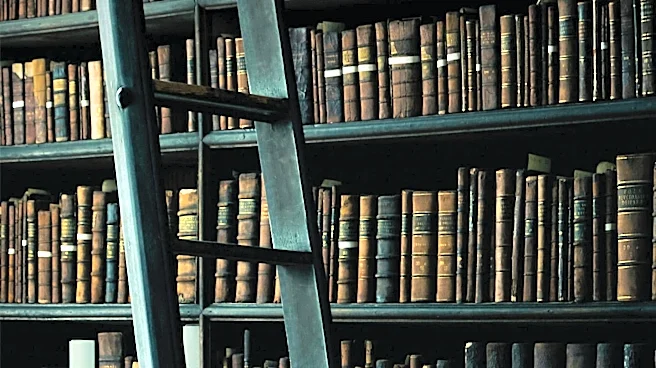
In 1899, the American Library Association (ALA) encountered a situation where a commercial traveling library was operating under its name. Robert Kilbourn of the H. Parmelee Library Company alerted ALA President Reuben G. Thwaites about this entity, run
by Reverend George F. Nason. Kilbourn described Nason's operation as being 'of a bad character' and misleading to its patrons, noting that Nason had also lifted content from H. Parmelee Library Company's publications. ALA Secretary Henry Carr contacted Nason regarding the name infringement, expressing concern that using the ALA's well-known name could be an attempt to mislead or engage in illegitimate activities. Nason initially claimed ignorance of another American Library Association and proposed changing his company's name to the 'National Library Association.' However, Carr objected to this, stating that Nason's commercial venture was not a library association and could not legitimately use such a name.
Why It's Important?
This historical incident highlights the early challenges faced by established organizations in protecting their identity and reputation from commercial exploitation. For the American Library Association, a prominent institution, the unauthorized use of its name by a 'bad character' commercial entity posed a significant risk to its credibility and public trust. The situation underscored the importance of clear organizational branding and the potential for confusion and deception when similar names are used, especially in public service sectors like libraries. The ALA's proactive response to safeguard its name demonstrates its commitment to maintaining its integrity and ensuring that the public was not misled by disreputable operations. This event also sheds light on the nascent stages of intellectual property concerns and the efforts to define and protect organizational identities in the late 19th century.
What's Next?
Following the ALA's objections, Reverend Nason eventually changed his company's name to the 'American Library Company.' He asserted his right to this new name and, in a somewhat defiant tone, requested a stamp for any further correspondence from Carr, which Carr did not provide. The ALA, through Secretary Carr, acknowledged Nason's name change, effectively concluding the dispute. President Thwaites found humor in Nason's responses, noting his 'imprudence, and downright mendacity.' This resolution prevented further direct conflict over the name, though it did not fully address the initial concerns about Nason's business practices. The ALA's actions set a precedent for how it would handle future challenges to its name and reputation, reinforcing its role as a guardian of legitimate library services.
Beyond the Headlines
The 'curious case of the two American Library Associations' reveals deeper insights into the evolving landscape of public and commercial services in the late 19th century. It underscores the tension between established, reputable organizations and opportunistic commercial ventures seeking to capitalize on public trust. The incident also touches upon the ethical responsibilities of businesses and the importance of transparency in their operations. While seemingly a minor dispute over a name, it reflects broader societal concerns about consumer protection and the integrity of institutions. The ALA's firm stance in this matter contributed to solidifying its identity and authority in the library community, emphasizing that an 'association' implies a non-commercial, public-serving entity, distinct from a for-profit 'company.'