










What's Happening?
The U.S. is experiencing a significant slowdown in population growth, with projections indicating a further decline in the near future. This trend is largely attributed to reduced immigration, declining birth rates, and an aging native-born population.
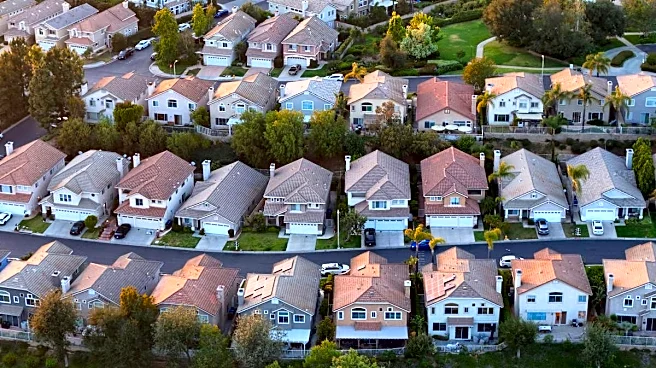
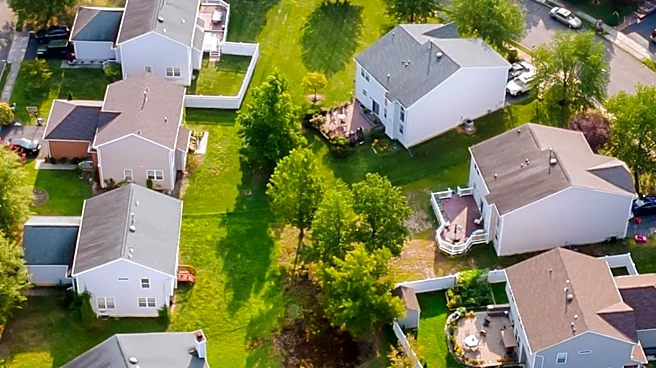
According to a study by Harvard's Joint Center for Housing Studies (JCHS), this slowdown has contributed to a softening in the housing market, with demand decreasing sharply over the past year. Despite this, the slowdown is not expected to resolve the ongoing housing affordability crisis. The study highlights that the current inventory shortage, which has been building over many years, remains a significant issue. The Census Bureau projects that immigration will fall to 321,000 this year, potentially leading to historically low population growth levels by 2026.
Why It's Important?
The decline in population growth has significant implications for the U.S. housing market and broader economy. While a decrease in demand might suggest potential relief for the housing market, the entrenched inventory shortage means that affordability issues persist. The mismatch between available housing and what is needed, particularly in terms of affordable units, continues to challenge the market. This situation is exacerbated by regional disparities in housing supply, with some areas experiencing more severe shortages than others. The slowdown in population growth also impacts economic dynamics, as fewer people entering the workforce can affect economic productivity and growth.
What's Next?
As the U.S. continues to grapple with these demographic changes, policymakers and industry leaders may need to explore new strategies to address the housing crisis. This could involve increasing housing construction, particularly in areas with severe shortages, and developing policies to support affordable housing. Additionally, the ongoing decline in immigration could prompt discussions on immigration policy and its role in supporting economic growth. The housing market may also need to adapt to changing demographics, with a focus on meeting the needs of an aging population and addressing regional disparities in housing supply.