





What's Happening?
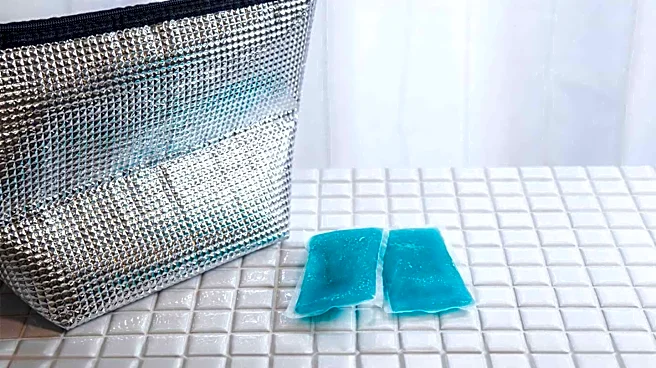
Cold therapy, also known as cryotherapy, is being recommended for managing pain and inflammation, particularly after elbow surgery. Washington University Orthopedics advises using a cold therapy machine or ice packs for the initial 48–72 hours post-operation,
especially before sleep. This practice helps reduce swelling and discomfort. The elbow is a complex joint, and specialized care is crucial for optimal outcomes. Many elbow surgeries, such as arthroscopy, cubital tunnel release, or tendon repair, are outpatient procedures with relatively quick recovery times. However, more extensive operations like total elbow arthroplasty or open reduction and internal fixation for complex fractures are considered major surgeries. The duration of recovery varies significantly based on the procedure, ranging from 6-8 weeks for arthroscopy to over a year for complex reconstructions like Tommy John surgery. Early mobilization, including gentle range-of-motion exercises within 48 hours, is emphasized to prevent stiffness.
Why It's Important?
The strategic use of cold therapy is vital in post-surgical recovery as it directly addresses pain and inflammation, which are significant barriers to rehabilitation. By mitigating these issues, patients can engage in early mobilization exercises more effectively, a critical component for preventing stiffness and restoring function. This approach can lead to faster recovery times and improved long-term outcomes, allowing individuals to return to daily activities and work sooner. For athletes, particularly those undergoing complex reconstructions like Tommy John surgery, efficient pain management and accelerated recovery are paramount for their careers. The emphasis on specialized care and adherence to post-operative instructions, including cold therapy, underscores a patient-centered approach that aims to maximize the chances of a successful outcome and enhance overall patient satisfaction. This also has economic implications, as quicker recovery can reduce healthcare costs associated with prolonged rehabilitation and lost productivity.
What's Next?
Patients undergoing elbow surgery will continue to receive specific instructions from their surgeons regarding the duration and method of cold therapy application. The integration of cold therapy into a comprehensive rehabilitation plan, alongside physical therapy and gentle exercises, will remain a standard practice. Continued research into advanced techniques and recovery protocols, such as those being conducted by the Mayo Clinic on UCL reconstruction, may further refine the application and effectiveness of cold therapy. Healthcare providers will likely continue to emphasize the importance of patient adherence to post-operative care guidelines, including the consistent use of cold therapy, to optimize healing and prevent complications. The focus will also remain on addressing health disparities in access to postoperative care to ensure equitable outcomes for all patients.
Beyond the Headlines
The widespread adoption of cold therapy in post-surgical care highlights a broader trend in medicine towards non-pharmacological pain management and accelerated rehabilitation. This approach not only reduces reliance on opioid pain medications, addressing a significant public health concern, but also empowers patients to actively participate in their recovery. The emphasis on early mobilization, facilitated by effective pain and swelling control, reflects a shift from prolonged immobilization to dynamic recovery strategies. This paradigm also underscores the importance of specialized surgical expertise and comprehensive post-operative support, including physical therapy and patient education, in achieving optimal functional outcomes. The continuous evolution of surgical techniques and recovery protocols, informed by ongoing research, aims to enhance patient quality of life and minimize the long-term impact of injuries and surgeries.