



What's Happening?
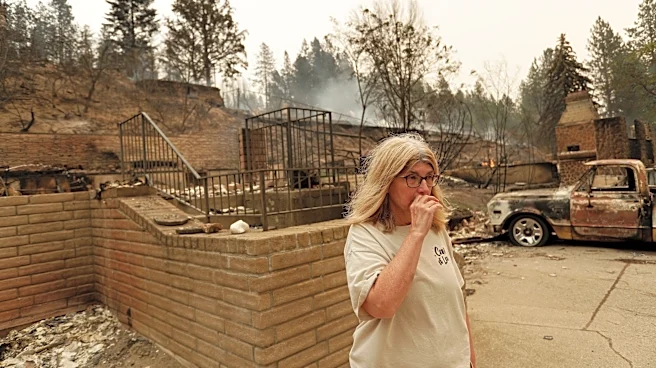
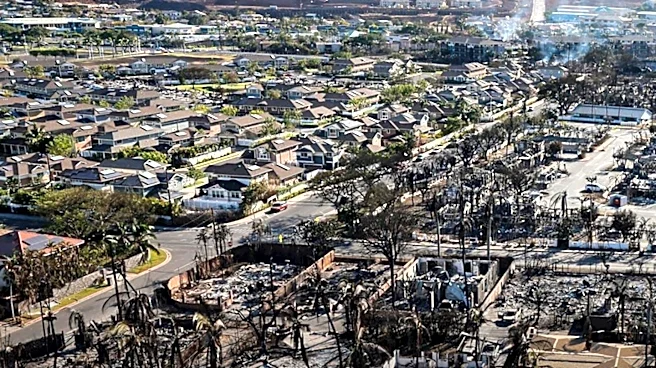
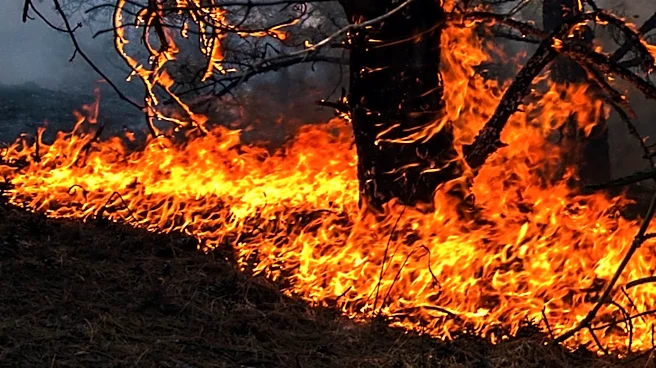
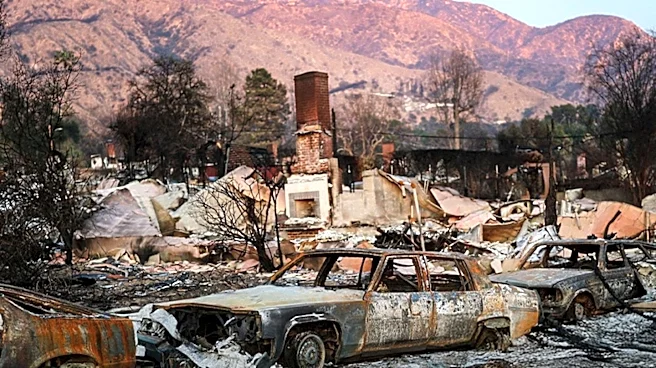
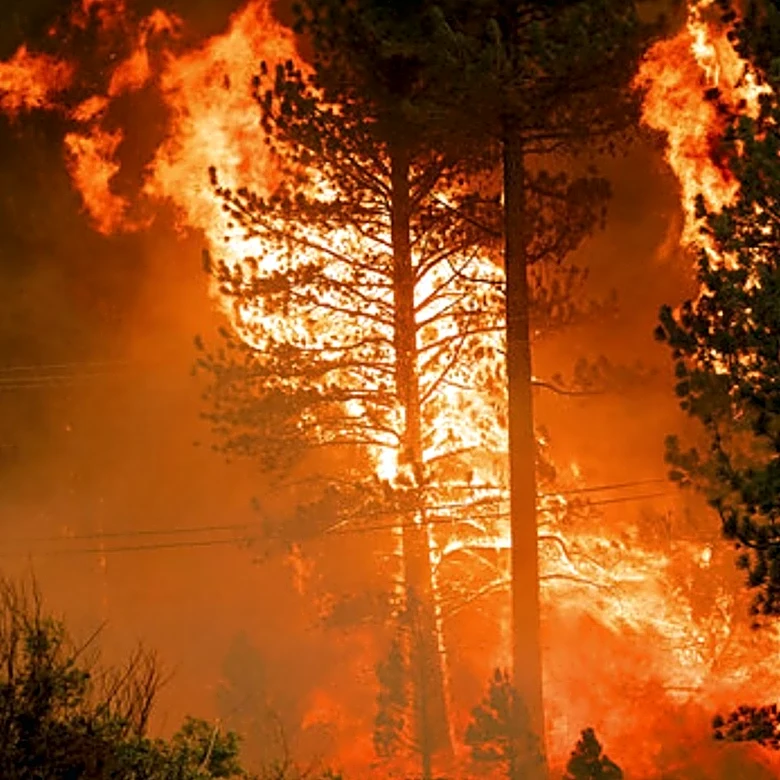
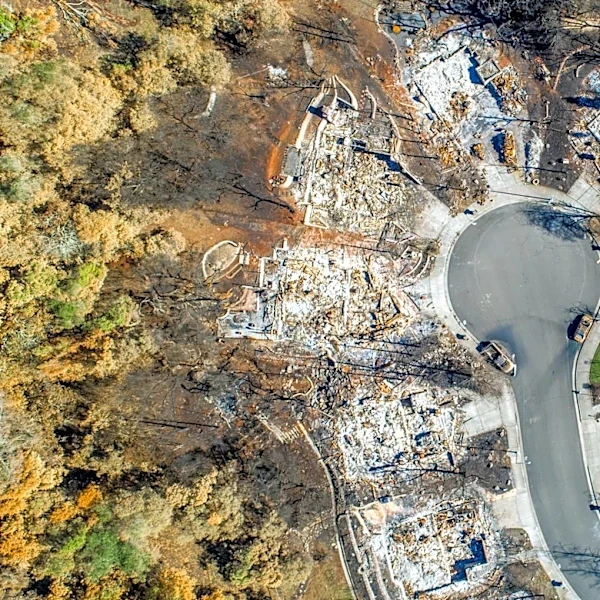
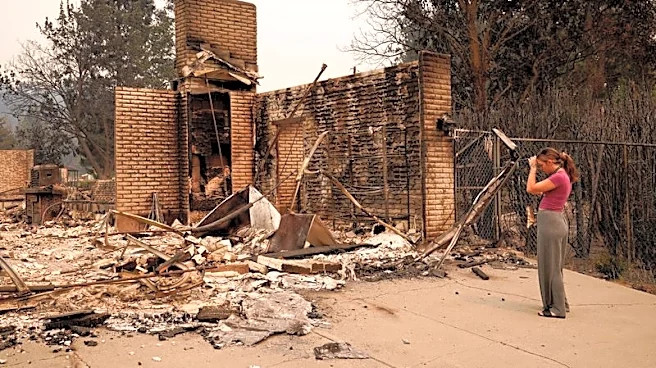
A devastating wildfire has swept through Spokane, Washington, marking the most destructive fire in the state's history. The firestorm, driven by strong winds and dry conditions, destroyed over 700 structures and forced the evacuation of nearly 65,000
residents. The blaze was exacerbated by severe drought conditions and a record-low winter snowpack, which left the region particularly vulnerable. The National Weather Service issued a 'Particularly Dangerous Situation' Red Flag Warning prior to the fire, highlighting the extreme risk. The fire is part of a larger pattern of wildfires affecting the Pacific Northwest and Canada, with dense smoke impacting air quality across the region.
Why It's Important?
The Spokane firestorm underscores the increasing frequency and intensity of wildfires in the U.S., driven by climate change and environmental factors. The destruction of homes and infrastructure poses significant challenges for recovery and rebuilding efforts. The event highlights the urgent need for improved fire management strategies and climate adaptation measures. The widespread smoke and air quality issues also raise public health concerns, potentially leading to respiratory problems and other health impacts for affected populations. The economic costs of such disasters are substantial, affecting local economies and insurance markets.
What's Next?
In the aftermath of the Spokane firestorm, emergency services and local authorities will focus on containment and recovery efforts. Evacuated residents will need support in finding temporary housing and rebuilding their lives. The event may prompt policymakers to prioritize investments in fire prevention and climate resilience. As the fire season continues, other regions may face similar threats, necessitating coordinated responses and resource allocation. The broader implications of climate change on wildfire patterns will likely remain a critical area of research and policy development.