



What's Happening?
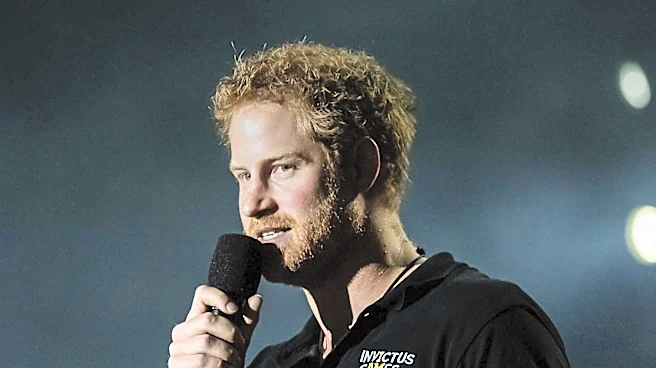
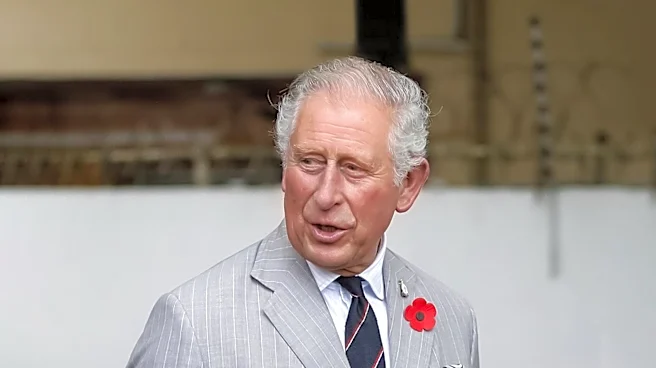
General Muhoozi Kainerugaba, Uganda's Chief of Defence Forces and son of President Yoweri Museveni, announced Uganda's withdrawal from Prince Harry's Invictus Games. The decision, communicated via X, was made to avoid being perceived as opposing King
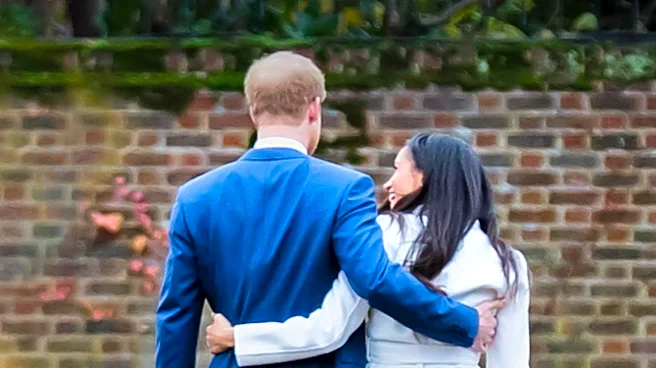
Charles III, whom Kainerugaba stated Uganda deeply reveres. Kainerugaba explicitly stated, "I support the monarch. Period." This move follows Buckingham Palace's reiteration that Prince Harry and Meghan Markle are no longer working members of the British royal family and conduct their charitable activities in a private capacity. Uganda had only recently joined the Invictus Games community two months prior, becoming the first East African nation to participate in the international sporting competition for wounded, injured, and sick service personnel and veterans. Kainerugaba also mentioned suppressing factions within Uganda’s Ministry of Defence that supported what he termed “Harry-Meghan nonsense.”
Why It's Important?
This withdrawal highlights the intersection of international relations, personal loyalties, and the evolving dynamics within the British royal family. While seemingly a decision based on allegiance to the British monarch, it also underscores the controversial and often unpredictable foreign policy interventions of General Kainerugaba. His actions, including past social media threats against neighboring Kenya and clashes with political opponents, demonstrate a pattern of using his platform to make significant, and sometimes provocative, statements. The decision to withdraw from the Invictus Games, an event designed to support military veterans, could be seen as a diplomatic statement, potentially impacting Uganda's international image and its relationships with other participating nations or organizations associated with the Games. It also draws attention to Kainerugaba's explicit presidential ambitions and his growing influence in Uganda's political landscape, where he is widely considered a successor to his father.
What's Next?
The immediate consequence is Uganda's non-participation in future Invictus Games events, which could affect its military veterans who might have benefited from the adaptive sports program. Diplomatically, the move might prompt reactions from the Invictus Games organizers and potentially from the British royal family, though Buckingham Palace has maintained that Prince Harry and Meghan Markle operate in a private capacity. General Kainerugaba's continued controversial social media presence and his explicit presidential ambitions suggest that similar high-profile, and potentially disruptive, interventions in international affairs may occur. His actions will likely continue to be scrutinized as he positions himself for the 2031 presidential election, with his father's backing. The incident also raises questions about the autonomy of Uganda's foreign policy decisions and the extent to which they are influenced by the personal views of its military leadership.
Beyond the Headlines
This event transcends a simple withdrawal from a sporting event, revealing deeper implications regarding the nature of international diplomacy and the influence of individual personalities on national policy. General Kainerugaba's public declaration of loyalty to King Charles III, and his dismissal of Prince Harry and Meghan Markle's activities as "nonsense," reflects a broader geopolitical alignment or a strategic move to curry favor with certain international powers. It also underscores the complex and often personal motivations that can drive foreign policy decisions, particularly in nations where political power is concentrated. The incident further highlights the challenges faced by international organizations like the Invictus Games when navigating the political sensitivities and internal dynamics of participating nations. Ultimately, it serves as a reminder that even seemingly apolitical events can become entangled in larger political narratives and power struggles.