


What's Happening?
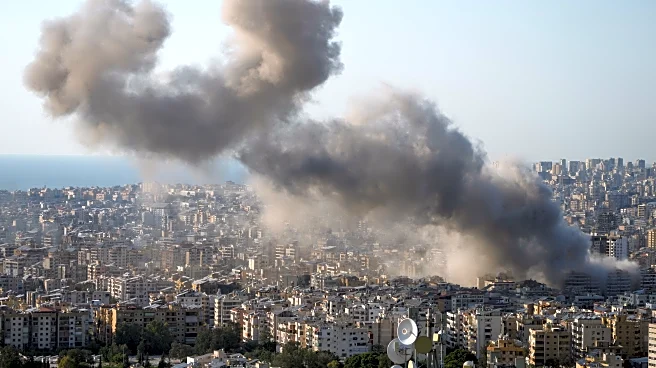
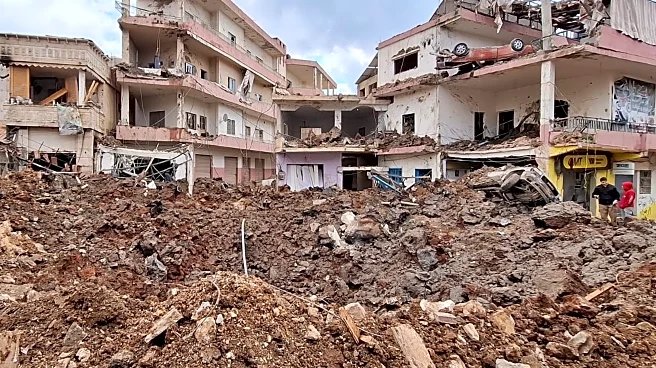
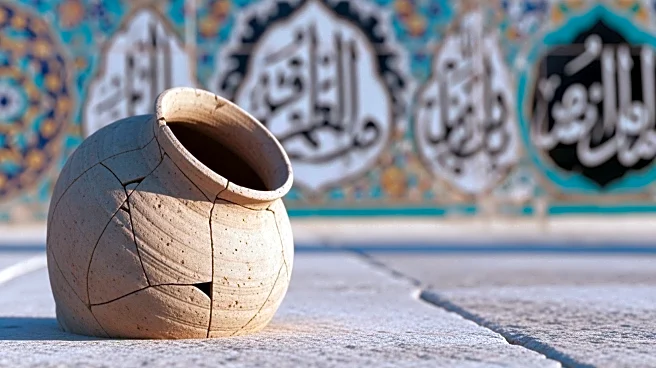
Recent U.S. and Israeli airstrikes in Tehran have caused significant damage to the Golestan Palace, a UNESCO World Heritage site. The palace, which dates back to the Qajar dynasty, is renowned for its intricate mirrors and sculptures. The damage has raised
concerns about the preservation of Iran's rich cultural heritage amidst ongoing conflicts. The Golestan Palace, celebrated for its historical and architectural significance, was previously inscribed on the UNESCO World Heritage List in 2013. The recent bombings have shattered the palace's iconic 'hall of mirrors,' leaving broken glass littering the floors. This incident highlights the vulnerability of Iran's historical sites during periods of military conflict.
Why It's Important?
The destruction of cultural heritage sites like the Golestan Palace underscores the broader impact of military conflicts on cultural preservation. These sites are not only significant to Iran's national identity but also to global heritage. The damage to such landmarks can lead to a loss of cultural history and identity, affecting tourism and the economy. The preservation of these sites is crucial for maintaining cultural diversity and historical continuity. The ongoing conflict poses a threat to Iran's tourism industry, which has already been struggling due to political instability. The loss of these sites could deter future tourism and diminish Iran's cultural influence on the global stage.
What's Next?
The international community may call for increased efforts to protect cultural heritage sites in conflict zones. UNESCO and other cultural preservation organizations might engage in restoration efforts once the conflict subsides. There could be diplomatic discussions aimed at safeguarding cultural sites during military operations. Iran may seek international support to rebuild and restore damaged sites, emphasizing the importance of cultural heritage in post-conflict recovery. The situation could also prompt a reevaluation of military strategies to minimize collateral damage to cultural landmarks.
Beyond the Headlines
The damage to Iran's cultural sites raises ethical questions about the protection of cultural heritage during conflicts. It highlights the need for international laws and agreements to safeguard cultural sites. The incident also reflects the broader cultural and historical tensions in the region, where heritage sites often become collateral damage in geopolitical conflicts. The preservation of these sites is not only a matter of cultural pride but also of maintaining historical narratives and identities that transcend national borders.