


What's Happening?
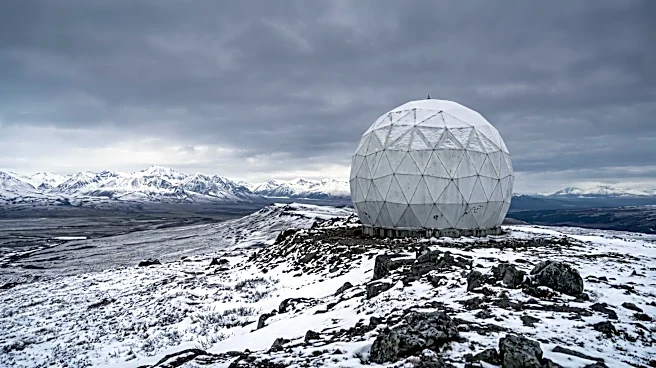
A charter plane carrying two pilots and six passengers crashed near the Cape Newenham Long Range Radar Site in western Alaska, resulting in the deaths of all eight individuals on board. The U.S. military confirmed the incident, stating that the flight
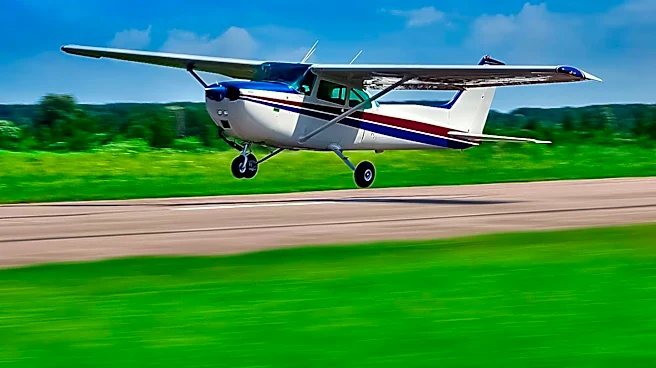
was chartered by the U.S. Army Corps of Engineers (USACE) and two USACE employees were among the fatalities. The twin-engine Cessna was operated by Security Aviation and was en route from Anchorage to Cape Newenham, approximately 40 miles south of Goodnews Bay. Senator Lisa Murkowski, R-Alaska, expressed her condolences on social media, acknowledging her personal experience flying with Security Aviation and the expertise of their pilots. She also thanked the U.S. Coast Guard, NTSB, Alaska State Troopers, and the Rescue Coordination Center for their response efforts. The Federal Aviation Administration and the National Transportation Safety Board are investigating the cause of the crash.
Why It's Important?
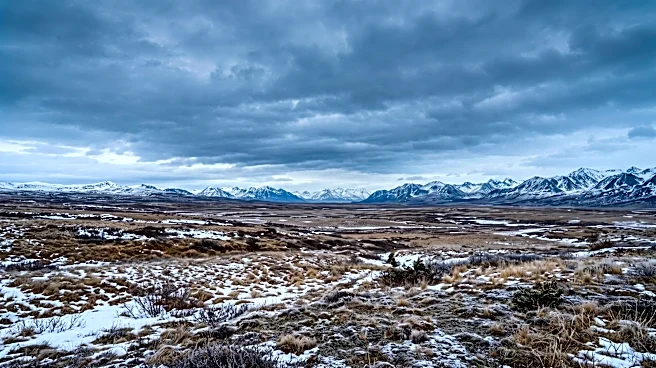
This tragic incident highlights the inherent risks associated with air travel in remote and challenging environments like western Alaska, where aviation is often a critical mode of transportation for both personnel and supplies. The loss of USACE employees underscores the dangers faced by individuals working on federal projects in isolated areas. Senator Murkowski's personal connection to Security Aviation and her public statement emphasize the close-knit nature of Alaskan communities and the significant impact such events have on residents. The ongoing investigation by federal agencies is crucial for identifying the cause of the crash, which could lead to enhanced safety protocols and regulations for charter flights operating in similar conditions, potentially affecting the aviation industry and federal contractors in Alaska.
What's Next?
The Federal Aviation Administration and the National Transportation Safety Board will continue their investigation into the cause of the crash. This will involve examining flight data recorders, maintenance records, weather conditions, and pilot communications to determine contributing factors. The U.S. Army Corps of Engineers will likely conduct its own internal review regarding the charter services and safety protocols for its personnel traveling to remote sites. Depending on the findings, there could be recommendations for changes in aviation safety regulations, particularly for charter operations in challenging Alaskan terrain. The families of the victims will be navigating the aftermath of this loss, and support services will likely be provided by their respective organizations and local communities.
Beyond the Headlines
The crash brings to light the broader challenges of operating in remote Alaskan regions, where infrastructure is limited and reliance on air travel is high. It also subtly touches upon the human element of such operations, as Senator Murkowski's remarks about the experienced pilots and her own history with the airline underscore the trust placed in these services. The incident may prompt a re-evaluation of risk assessment and emergency response capabilities in these isolated areas, not just for federal agencies but for all entities conducting operations there. Furthermore, it serves as a somber reminder of the sacrifices made by individuals working in support of national infrastructure and defense, as the Cape Newenham site is a long-range radar facility.