
What's Happening?
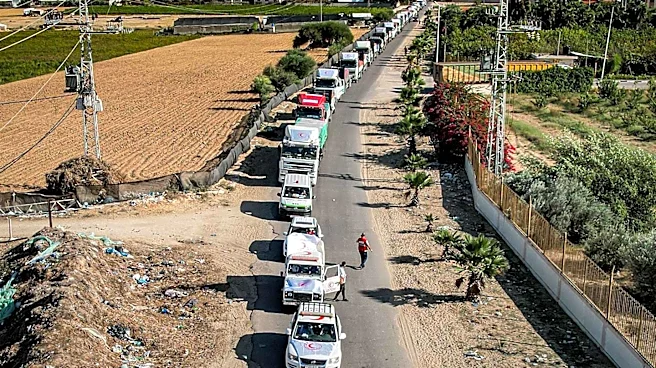
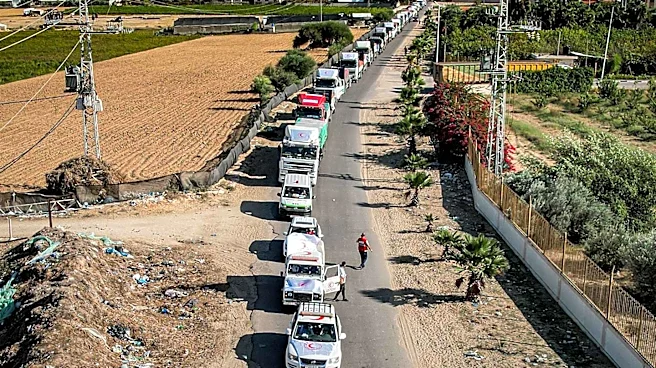
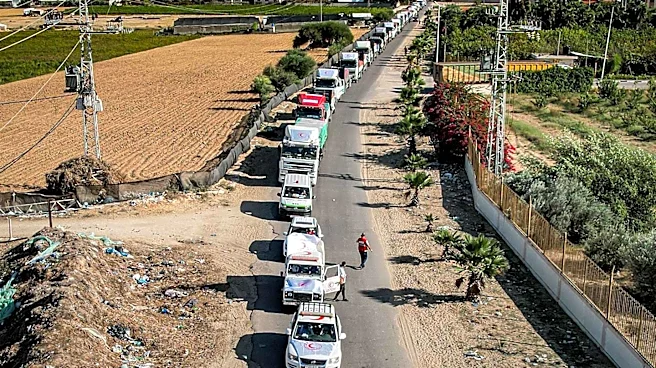
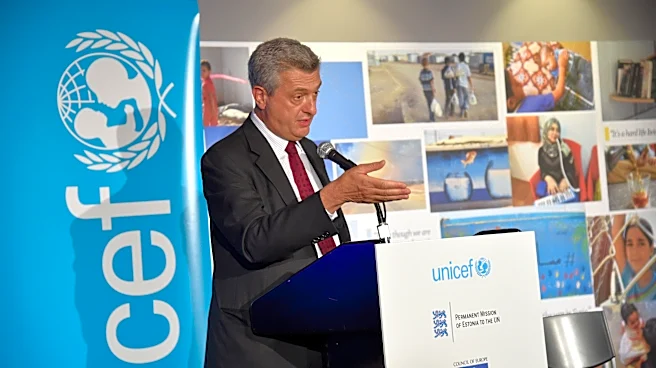
The United Nations Children’s Fund (UNICEF) Middle East and North Africa Regional Office has called for international pressure to be exerted on the Israeli occupation to facilitate greater humanitarian
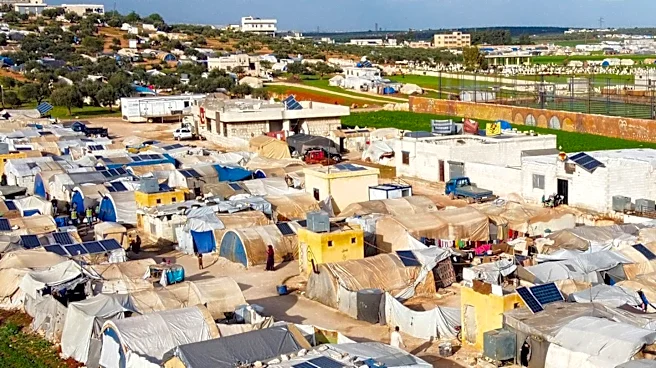
aid access into the Gaza Strip. UNICEF emphasizes that children in Gaza are currently deprived of fundamental necessities. Despite a ceasefire announcement a year prior, children in the region continue to endure significant hardship. The office reported that 360 children have been killed and over 1,700 seriously injured since the ceasefire, which UNICEF describes as a flagrant violation. Conditions in the Gaza Strip are particularly dire with the onset of winter and heavy rainfall. While UNICEF has expanded its humanitarian response to provide healthcare and safe water to over one million people, the humanitarian needs far exceed the aid being supplied. The Israeli occupation is reportedly tightening restrictions and preventing the entry of essential supplies, including spare parts for water and sewage systems and shelter materials.
Why It's Important?
This situation highlights a critical humanitarian crisis with severe implications for child welfare and international human rights. The call from UNICEF underscores the ongoing challenges in delivering essential aid to vulnerable populations in conflict zones, particularly when political and logistical barriers persist. The reported deaths and injuries of children, even after a ceasefire, point to a failure in protecting non-combatants and upholding international humanitarian law. The deprivation of basic necessities like clean water, sanitation, and shelter, exacerbated by winter conditions, poses immediate health risks and long-term developmental consequences for children. The restrictions on vital supplies also impede the ability of humanitarian organizations to effectively respond, prolonging suffering and potentially leading to further loss of life. This situation also tests the efficacy of international agreements and the responsibility of occupying powers to ensure the well-being of civilian populations.
What's Next?
UNICEF's continued advocacy suggests that international bodies and humanitarian organizations will likely intensify their efforts to pressure relevant authorities for unhindered access to Gaza. This may involve further diplomatic engagements, public appeals, and coordination with various governments and non-governmental organizations. The focus will remain on securing the entry of critical supplies, including medical aid, food, water purification equipment, and shelter materials. There may also be increased scrutiny on the adherence to ceasefire agreements and the protection of children in conflict areas. The onset of winter will likely escalate the urgency of these efforts, as cold weather and heavy rainfall will further compound the humanitarian crisis, particularly for those without adequate shelter or access to clean water and sanitation.
Beyond the Headlines
The persistent challenges in delivering humanitarian aid to Gaza reveal deeper issues concerning the politicization of aid and the complexities of international law in occupied territories. The reported restrictions on essential supplies, such as spare parts for infrastructure, suggest a broader impact on the long-term recovery and self-sufficiency of the region. This situation raises ethical questions about the responsibility of all parties to a conflict to ensure the basic human rights of civilians, especially children. The psychological trauma inflicted on children living in prolonged conflict and deprivation will have lasting societal consequences, affecting future generations. Furthermore, the repeated calls for aid highlight the limitations of current international mechanisms in enforcing humanitarian access and protecting vulnerable populations effectively.