


What's Happening?
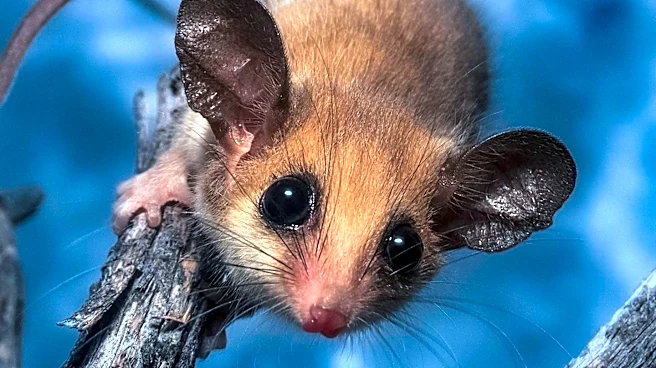
A new study has highlighted a significant imbalance in the archiving of mammal species specimens, revealing that 60% of holotypes for new mammal species discovered in the Global South between 1990 and 2025 are stored in wealthier Global North countries.
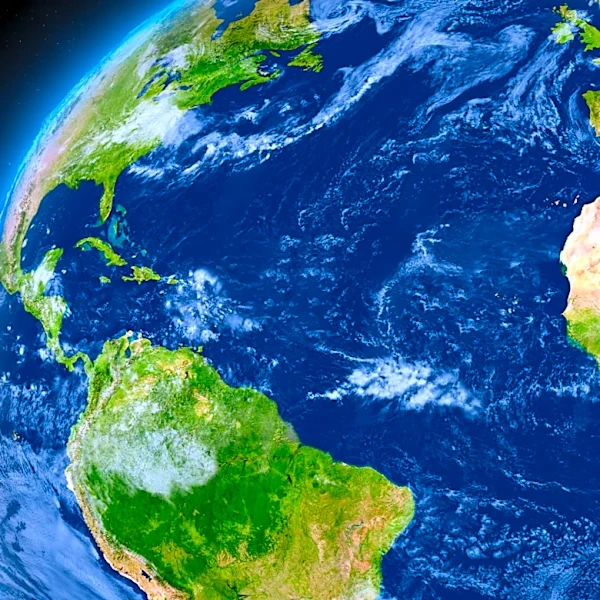
The study, published in the journal npj Biodiversity, examined 1,116 mammal species and found that while 95% of these species are native to regions like Latin America, Africa, Asia, and the Caribbean, their defining specimens are predominantly housed in Europe and North America. This pattern is much weaker for species native to the Global North, where only 22% of holotypes are stored outside their country of origin, typically remaining within the same geopolitical sphere. Mario Moura, a professor at the Federal University of Paraíba and the study's first author, expressed surprise at the high figures for mammals compared to other animal groups, noting that this trend continues despite the end of colonial eras.
Why It's Important?
This archiving imbalance has significant implications for scientific research, conservation efforts, and the equitable distribution of knowledge globally. Holotypes are crucial benchmarks for scientists to confirm species identification, compare relatives, and build evidence for conservation decisions. When these essential specimens are housed overseas, researchers in the countries where the animals originated face additional hurdles in direct study. This can impede local scientific training, limit the development of museums in biodiversity-rich nations, and reduce the capacity of local institutions to lead research on their own biodiversity. The study suggests that this practice contributes to scientific neocolonialism, where the Global South's natural heritage is primarily controlled and interpreted by institutions in the Global North. This disparity can hinder effective, locally-driven conservation strategies and perpetuate an unequal power dynamic in global scientific endeavors.
What's Next?
The study calls for reforms in where new holotypes are deposited, advocating for specimens to remain in their country of origin whenever feasible, especially when qualified local institutions exist or can be supported. This would require increased investment in museum collections, storage, curation, and taxonomic training in biodiversity-rich countries. Universities, museums, scientific journals, and funding bodies are urged to promote policies that encourage local deposition. While international collaboration remains vital, the study emphasizes the need for more equitable partnerships, including shared authorship, local leadership, and sustained support for institutions in the Global South. Digital records can improve access, but they do not fully replace the importance of physical specimens for in-depth study. Addressing this imbalance could strengthen scientific capacity, create educational opportunities, and empower national and regional institutions to play a larger role in decisions concerning their own wildlife protection.
Beyond the Headlines
The findings of this study extend beyond mere specimen storage, touching upon deeper issues of scientific equity, historical legacies, and the future of global biodiversity conservation. The concentration of holotypes in wealthier nations reflects a broader pattern of resource extraction and knowledge centralization that has historical roots in colonialism. This 'brain drain' of biological material can perpetuate a cycle where countries with the richest biodiversity lack the resources and access to fully understand and protect their own natural heritage. Addressing this issue is not just about logistics; it's about decolonizing science and fostering true global collaboration where all nations have the capacity and autonomy to contribute to and benefit from scientific discovery. The ethical implications of this imbalance highlight the need for a more just and inclusive scientific enterprise that recognizes the sovereignty of nations over their natural resources and promotes equitable access to scientific tools and knowledge.